World Of Warcraft wasn’t the biggest threat to The Elder Scrolls Online; it was Skyrim
Creative director Rich Lambert tells us about ten years in Tamriel

Image credit:Zenimax Online Studios

When Bethesda was working out how to turn their popular Elder Scrolls RPGs into an online behemoth to rival World Of Warcraft back in the late 00s, the initial pitch was “Elder Scrolls with friends,” creative director Rich Lambert tells me. A simple idea on paper, perhaps, but one that proved to be a lot more complicated in the realisation of it. Zenimax Online Studios was founded in 2007, a year after The Elder Scrolls IV: Oblivion landed to universal critical praise, but it wasn’t until seven years later that The Elder Scrolls Online finally released for PC in 2014. At launch “we were walking this weird line between ‘online game’ and ‘Elder Scrolls game’,” Lambert says. “We didn’t do either of them particularly well.”
Ten years later, though, The Elder Scrolls Online is thriving. At last count, the game has over 24 million players galloping about the plains of Tamriel, and later this June, it will receive its eighth major Chapter expansion, Gold Road , which adds Oblivion’s West Weald to the game and wraps up the mystery of the new Daedric Prince that arrived at the end of the previous expansion, Necrom. But the path ESO has taken to get here hasn’t been nearly as glittering, with its PC launch in particular generating “a lot of feedback”, as studio director Matt Firor told press at the game’s tenth anniversary event last week. In fact, it wasn’t until ESO came to consoles in 2015 that the game really found its voice, says Lambert. “We had to really figure out what we wanted to be, and we chose ‘Elder Scrolls’. As soon as we hit that core pillar of ‘It’s Elder Scrolls first, online second,’ then it really just helped inform everything we’ve done since.” Trouble is, when the thrust of ESO’s development straddled the launch of two very different Elder Scrolls games, even nailing down that first part of the pillar proved to be more challenging than expected.

When The Elder Scrolls V: Skyrim “got dropped” at the end of 2011, says Lambert, it was make-or-break time for the Zenimax Online Studios team. “Skyrim was like, ‘Holy cow! This is very different from what we’re building. We’ve got to change things up.’” It was a huge turning point, because as Lambert describes it, the pre-Skyrim version of ESO hewed much closer to that traditional school of MMO design, following in the footsteps of World Of Warcraft, EverQuest and the work of Mythic Entertainment such as Dark Age Of Camelot, the game where Firor first cut his teeth as an online game designer, as did many of Zenimax Online Studio’s other subsequent developers.
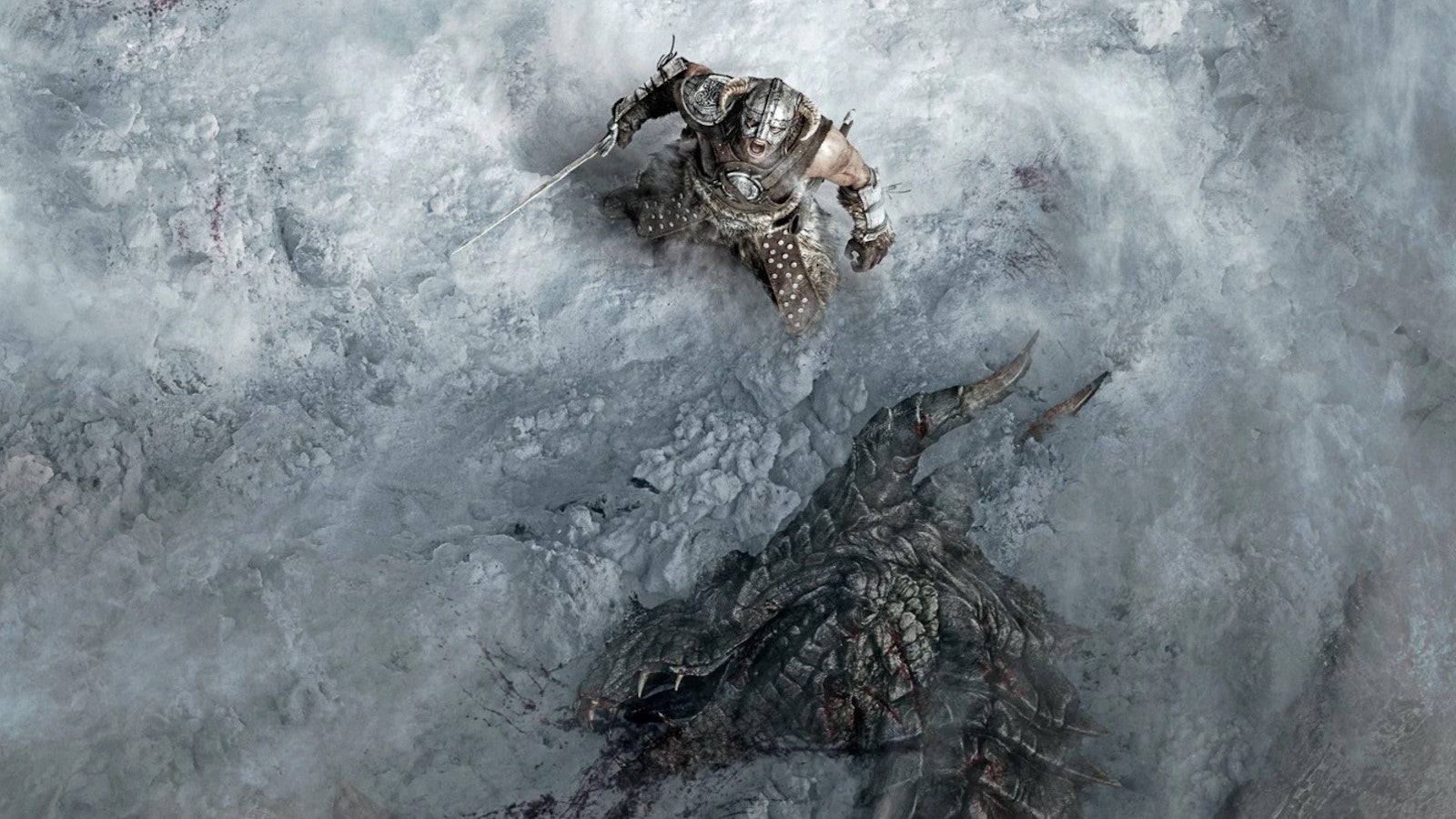
Image credit:Bethesda Softworks
For starters, the camera perspective was “more MMO-based,” he says, pulled out to give a wider view of the player’s surroundings. But when the first and third-person “Skyrim cam” made an appearance, that was one of many features the team felt they had to incorporate and iterate on afterwards. “If [Skyrim] was going to be the game that everybody knew as Elder Scrolls, we had to be more closely resembling that game,” Lambert says, recalling how they had to throw out the game’s original “great walls of text” and opting instead for a greater focus on voiced conversations. “We didn’t originally design ESO to be fully voiced,” he explains. “We didn’t have the immersive interactions with the NPCs, we didn’t have them talking to you. We didn’t have all the emotion on the faces and things like that, so we had to solve those problems.”
It also included the game’s controls. Skyrim had been a monstrous success on home consoles, which meant The Elder Scrolls Online had to also follow suit. And naturally, designing an MMO that played just as nicely on mouse and keyboard as it did on a gamepad affected everything from combat to the game’s general interface. “We started thinking more about what does the controller actually mean? It was mouse and keyboard originally, so controllers meant we probably had to do less buttons, and figure out how that worked.”
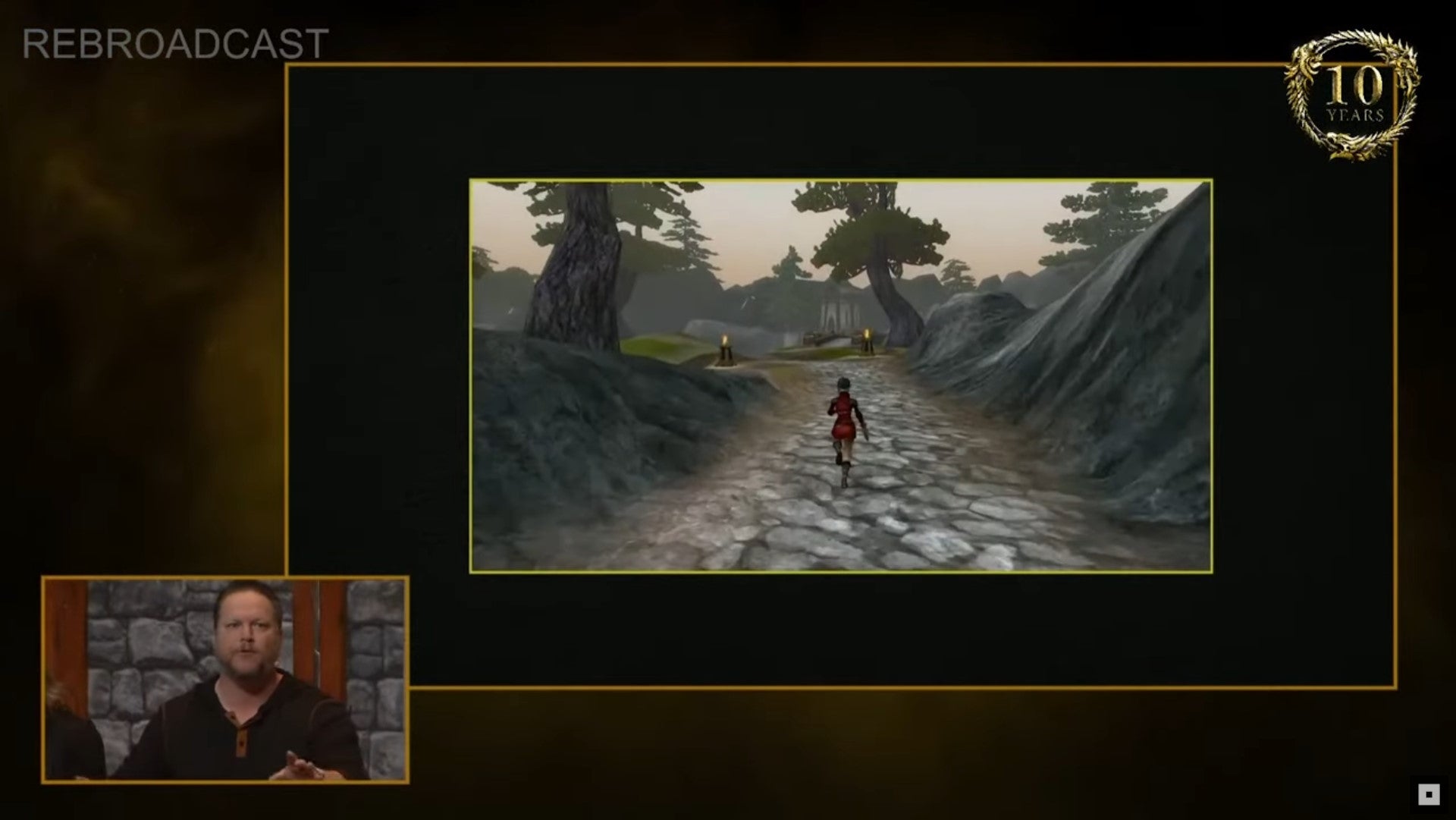
During the 10 Year Anniversary livestream, Rich Lambert (pictured, bottom left) showed a clip of a very early prototype of The Elder Scrolls Online in its pre-Skyrim days. |Image credit:Zenimax Online Studios
The result was a skill system that let players assign themselves five distinct abilities - on keys 1-5 on PC and a combination of the face and trigger buttons on gamepads - along with a single Ultimate attack. It’s quite pared down compared to other MMOs out there, including World Of Warcraft and Final Fantasy 14, but one that arguably puts a greater emphasis on the game’s role-playing focus. It’s more of a “choose your build before you go into combat” kind of game, says Lambert, “rather than ‘I have access to eleven hundred abilities and I can just use them all at once.’”

Image credit:Bethesda Softworks
But even with Skyrim changing the course of ESO’s development for the better, its shadow continued loom large over the game’s release. Lambert openly admits that ESO “wasn’t a particularly strong Elder Scrolls game” when it came out, and that’s in part because the studio still hadn’t really got their heads round what it meant to play with your friends. “We had a lot of stories early on that separated players by the choices they’d made,” Lambert explains. “Looking back on it now, it’s like, ‘Yeah, we were idiots!’”
He gives an example of a quest where a player has a choice to save a particular town. “In a singleplayer game, that works really great,” he says, as you can choose to be the hero and the world will update to reflect that, allowing you to make a meaningful and tangible impact on your surroundings. On in a multiplayer context, however, this type of quest simply doesn’t work. After all, what if the friends you’re playing with chose not to save that town? The result, it turns out, was that players were getting separated as the game tried to rectify what they should be looking at. “My wife comes to an objective with me and suddenly I disappear and she’s left all on her own because she hasn’t done the quest and I have - like, that’s just not good,” Lambert says. “Like, duh, of course!”
This realisation led to Lambert and his team to spend six months after launch effectively “undoing a lot of that stuff” and making significant changes to their various questlines. There are still quests that give players some degree of choice and agency over their decisions, he says, “but now those moments change the skybox colour, or the NPCs change”. Smaller, less game-breaking changes that still reflect a player’s journey through the world, but which don’t prevent them from travelling and playing together as a party.
It was this ethos of always being able to play with others that eventually led to the introduction of the ‘One Tamriel’ update in 2016, which changed ESO’s levelling system and zone structure to be completely non-linear. Players could move through Tamriel’s regions freely, and tackle any quest in any order, with the game scaling accordingly behind the scenes. Loot and rewards would still be tailored to your current character level, but there were no restrictions on joining up with players from other factions and alliances. ‘Veteran’ end-game content such as dungeons and trials remained gated at Level 50, but the rest of ESO’s story quests had no such limits attached to them. “That was how we got Elder Scrolls into Elder Scrolls Online,” Lambert says.
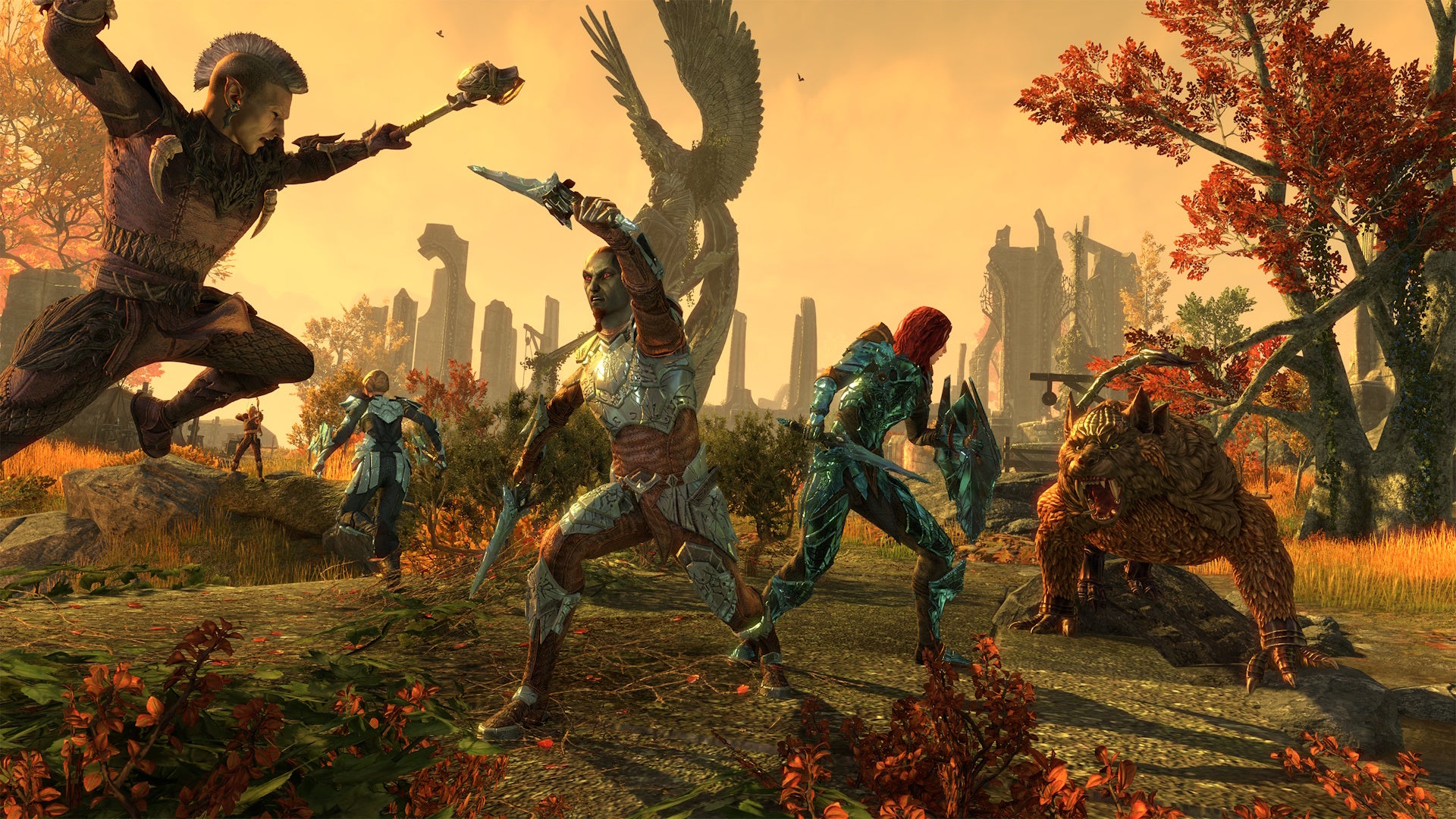
The Elder Scrolls Online’s current combat system used to be very different to how it’s played today. |Image credit:Zenimax Online Studios
In the process, it also opened up the game to make it friendlier for first-time players, as there was no longer any need “to grind through” years of older content just to get to the new stuff, Lambert continues. At this point, ESO’s player numbers had grown to seven million, a feat no doubt bolstered by the studio’s decision to also ditch their initial subscription model for a one-time upfront cost a year earlier. It was a “risky” plan, says Lambert, as no one had ever monetised an MMO like this before. But it was something they’d wanted to do “from the outset,” he tells me. “Ultimately it came down to ‘how do we get more players into ESO?’ And especially when you’re on console, you already have to pay for your online access. Having another subscription on top of that? It just felt like it was a lot.”

Image credit:Warner Bros. Interactive Entertainment
In terms of getting those new players into the real meat of the game, however, Lambert says that even now “we probably need to spend a little bit more time on [that newcomer experience] and put more, or better tutorialisation in there”. As a relatively new player myself, this admission surprised me somewhat. Since 2021, ESO has had one main tutorial that teaches you the basics of its combat and exploration. At the end of it, you’re let loose in the Keywright’s Gallery, a huge portal chamber that lets you jump to the four main areas of the base game, as well as any of its subsequent Chapter expansions right from the off (provided you’ve bought the latter, of course, otherwise those portal will be roped off with chains draped across the front of them).
But before they created the Keywright’s Gallery, Lambert recalls they had six or seven tutorials in total, and they’d “always be focused on getting you into the story of the latest chapter.” It wasn’t a particularly streamlined approach, and it was also a lot of work for the developers. “We were hoping that it would allow us to not have to make a new tutorial every year,” he laughs, but really, the Gallery was mostly created “as a bit of an experiment” to see what would happen if players could simply choose their own adventure.
“It’s not been, like, a huge success,” Lambert confesses, which again is a shock to me, particularly after hearing about the travails of World Of Warcraft’s new player experience last year. Expert players love it, he clarifies. “They go in there, and they’re like, ‘My character is going to go this way this time.’ They just get it and understand it.” For newer players, however, it’s a lot more intimidating. “When they go in there, especially when they’re new, they see eleven portals and they don’t know what to do.”
Even in the couple of months I’ve been playing ESO, the Keywright’s Gallery has continued to change shape, the arrangement of its portals shifting around as new updates arrive. At time of writing, there are still four portals to choose from at the end of the tutorial, but Lambert says that with Update 41, brand-new players will “only see one portal that takes you to your Alliance starter zone”. The hope is that this will reduce the game’s friction even further, but Lambert’s still very much in a “we’ll see how that works” frame of mind about it, suggesting there may yet be even more changes to come further down the line.
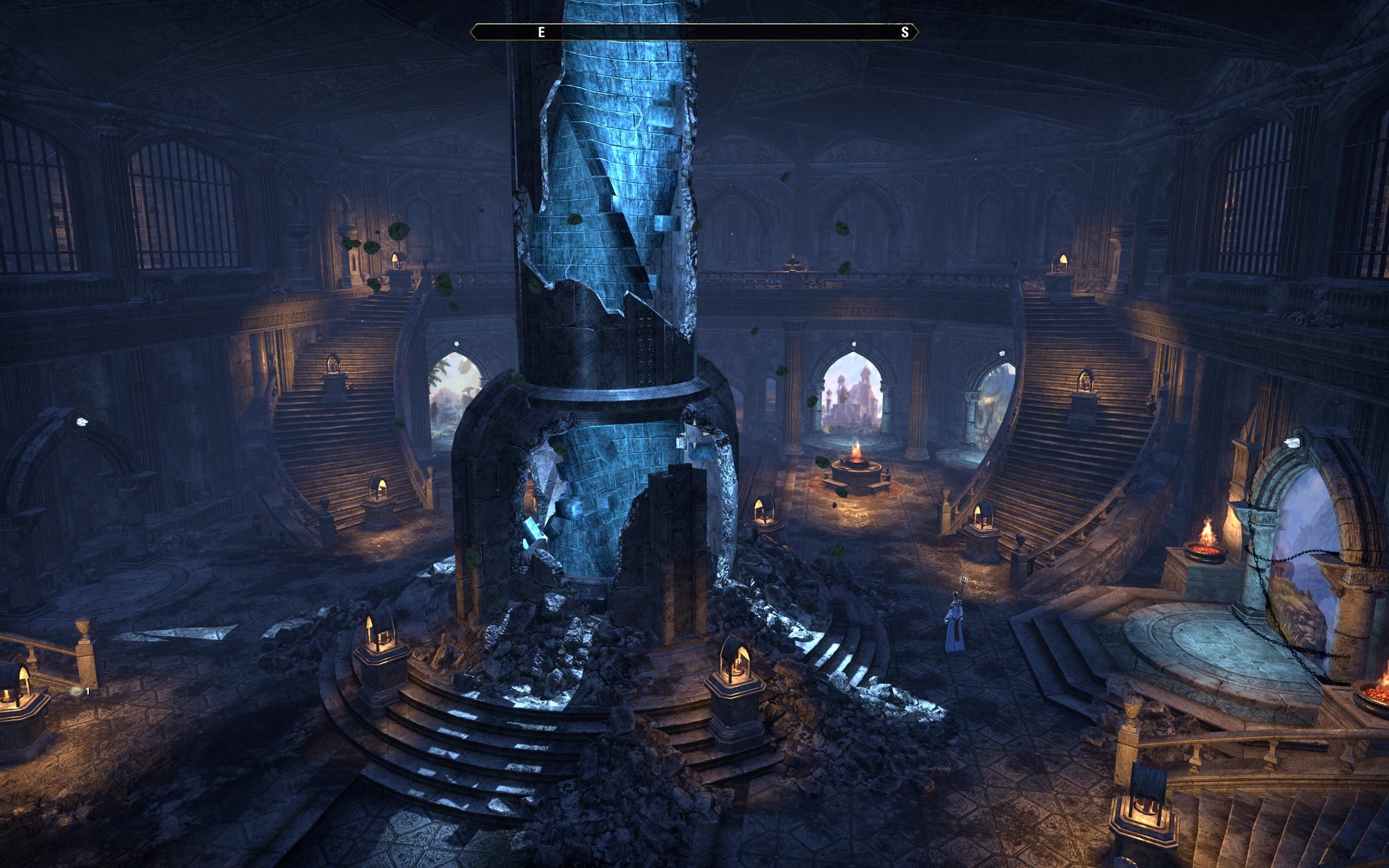
The Keywright’s Gallery contains a number of portals to different parts of Tamriel, allowing players to jump straight into any part of the base game right from the off. Expansions can also be accessed here once players have finished the tutorial, but they’ll be gated off if you haven’t bought them yet. |Image credit:Rock Paper Shotgun/Zenimax Online Studios
The Chapters themselves were also something of an experiment, Lambert tells me, as they weren’t originally part of their long-term plan for the game. Rather, they emerged organically as discussions about ESO’s future rumbled on. “We were talking about how we could just build enough content, right, and how we were going to do that,” he says. “The first probably seven or eight updates that we did were mainly focused around just adding to the game, fixing things and adding new systems.” But the team wanted the game to have “a moment”, not just for players to hopefully rally round, but to also “break through all the noise in the industry”. Eventually they landed on Chapters, which they’d deliver alongside a major update. “It’s been super good,” says Lambert, and in 2017, they launched the first of what’s now become a yearly fixture in the ESO calendar - and it started with the “grandaddy of the Elder Scrolls games”, Morrowind.
“[Morrowind] was really what put Elder Scrolls on the map,” says Lambert. “I mean, Arena was great, Daggerfall was great, but Morrowind was really the ‘Oh my gosh, this is Elder Scrolls, this is cool’. So we wanted to do a tribute to Morrowind and that nostalgia trip.”
This year’s Chapter, Gold Road, takes players back to Tamriel’s West Weald, an area players last saw in Morrowind’s mainline successor, The Elder Scrolls IV: Oblivion. It marks a slight shift in how Zenimax Online Studios are approaching their Chapter expansions, as previously each one followed a year-long update pattern. But as Firor said in his 2022 studio director letter , these 12-month storylines have now “run their course”, and the intent is to shift over to more “expansive” story arcs that unfold over multiple Chapters. “We’re finding more and more that this cadence limits what we can do,” he wrote, though how this will affect the game’s openness and ease of entry remains to be seen. For Lambert, though, this change is also designed to simply “keep people guessing”, as recent player feedback suggested that the yearly updates had “started to feel a little too formulaic”.

Gold Road introduces several new locations to explore, and lots more monsters to fight that have never been seen before. |Image credit:Zenimax Online Studios
Surprisingly, he admits that it took “a little bit of convincing” on his part to go ahead with it. “With Necrom, we did this major cliffhanger that we’ve never done before. I personally don’t like doing that. I hate the ‘[the] movie’s good, you’re just getting into it, and then it ends, and it’s to be continued - and I’m like, awwww.” In the end, though, he agrees that “it was the right thing to do”, as players “went bonkers” for it.
Indeed, with Gold Road and its conclusion to Necrom’s ‘Shadow Over Morrowind’ story arc due to arrive on June 3rd for PC (with consoles following on June 18th), it seems fitting that The Elder Scrolls Online begins its second decade with another reinvention. This is a game that’s had to change and evolve multiple times since its inception, sometimes out of necessity, and others out of pure happenstance. But the results speak for themselves, as this is a game that’s transformed from a disappointing Skyrim chaser into arguably one of the biggest MMO juggernauts around. The road ahead seems clear, but as my chat with Lambert draws to a close, I ask him whether, if The Elder Scrolls Online were being made again today from scratch, would it still be an MMO? Or would it more likely fall into the service game bracket like Destiny, Fortnite and many of today’s other big hitters?
“It would be an MMO,” he says confidently, adding there’s still enough differences between the two genres to make them feel unique and distinct. “I have always wanted to make an online game. I met my wife playing EverQuest… like, that’s the thing I just - it means so much to me, and so being able to build a game and create a world that people can lose themselves in and meet other people, or meet their significant others, or meet their best friends… I’ve always wanted to do that, so I would do it again in a heartbeat.”
The Elder Scrolls IV: Oblivion
PS3 , Xbox 360 , PC
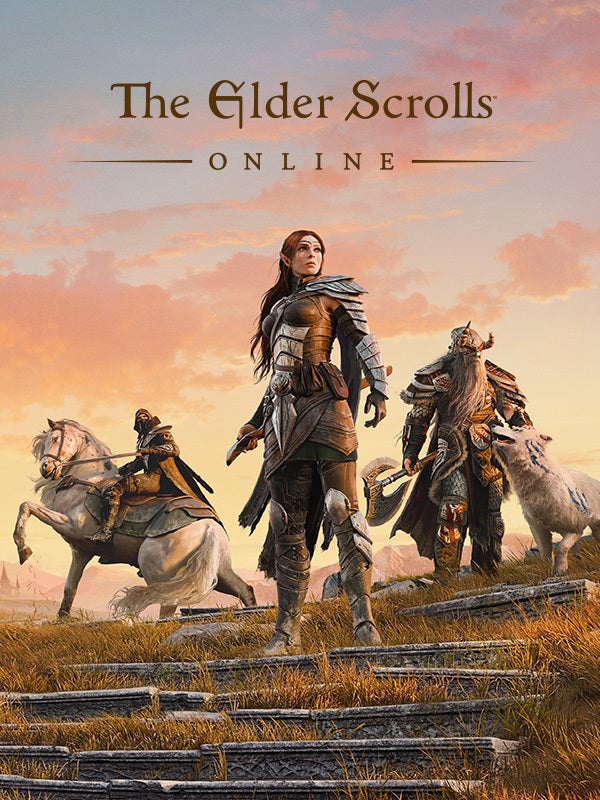
The Elder Scrolls Online
PS5 , Xbox Series X/S , PC , Mac
The Elder Scrolls V: Skyrim
PS4 , PS5 , Xbox One , Xbox Series X/S , PS3 , Xbox 360 , PC , Nintendo Switch , Nintendo Switch 2
Rock Paper Shotgun is better when you sign in
Sign in and join us on our journey to discover strange and compelling PC games.

All 75 Arc Raiders Blueprints and where to get them
These areas have the highest chance of giving you Blueprints
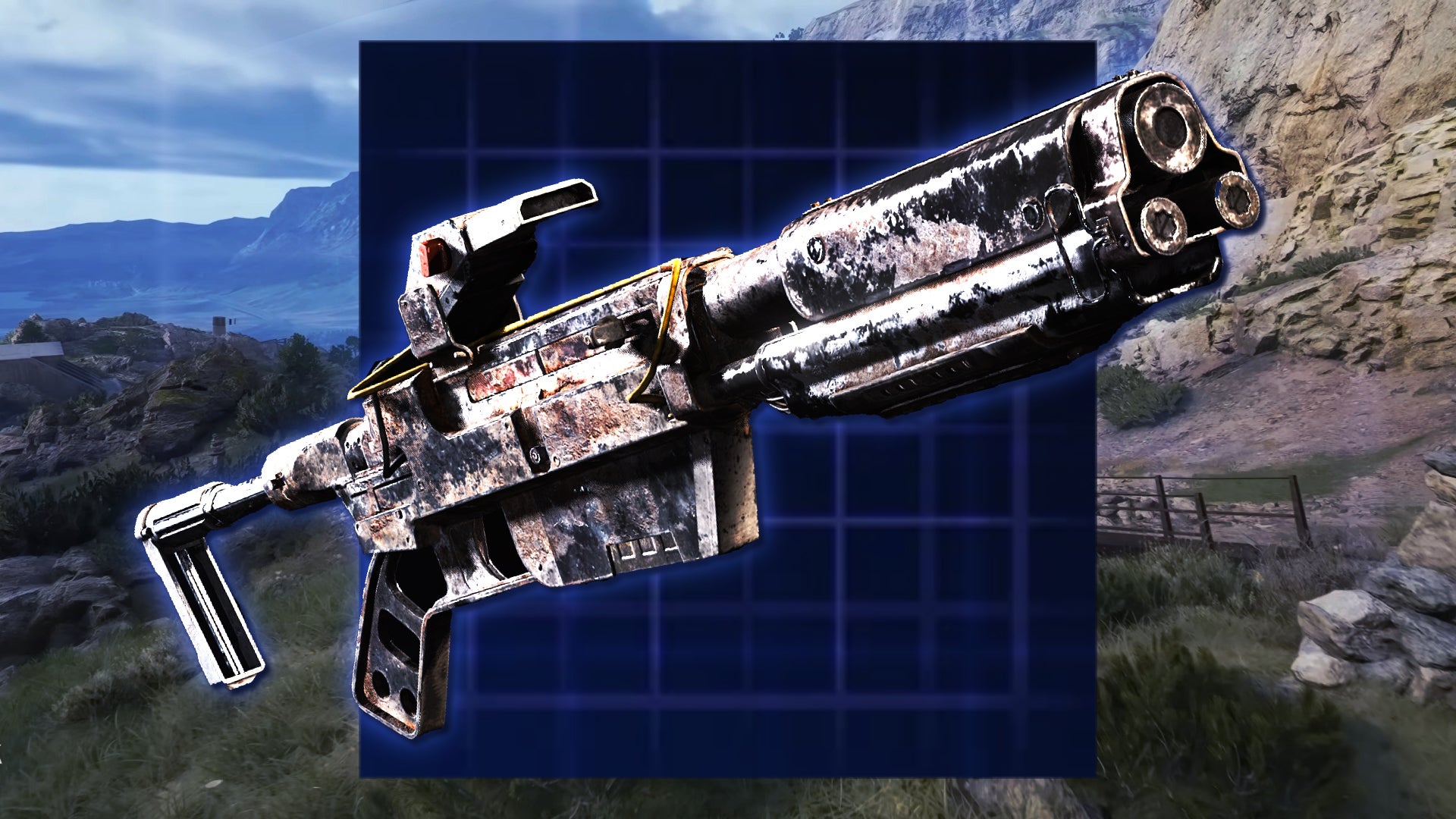
Image credit:Rock Paper Shotgun/Embark Studios

Looking for more Arc Raiders Blueprints? It’s a special day when you find a Blueprint, as they’re among the most valuable items in Arc Raiders. If you find a Blueprint that you haven’t already found, then you must make sure you hold onto it at all costs, because Blueprints are the key to one of the most important and powerful systems of meta-progression in the game.
This guide aims to be the very best guide on Blueprints you can find, starting with a primer on what exactly they are and how they work in Arc Raiders, before delving into exactly where to get Blueprints and the very best farming spots for you to take in your search.
We’ll also go over how to get Blueprints from other unlikely activities, such as destroying Surveyors and completing specific quests. And you’ll also find the full list of all 75 Blueprints in Arc Raiders on this page (including the newest Blueprints added with the Cold Snap update , such as the Deadline Blueprint and Firework Box Blueprint), giving you all the information you need to expand your own crafting repertoire.
In this guide:
- What are Blueprints in Arc Raiders?
- Full Blueprint list: All crafting recipes
- Where to find Blueprints in Arc Raiders Blueprints obtained from quests Blueprints obtained from Trials Best Blueprint farming locations

What are Blueprints in Arc Raiders?
Blueprints in Arc Raiders are special items which, if you manage to extract with them, you can expend to permanently unlock a new crafting recipe in your Workshop. If you manage to extract from a raid with an Anvil Blueprint, for example, you can unlock the ability to craft your very own Anvil Pistol, as many times as you like (as long as you have the crafting materials).
To use a Blueprint, simply open your Inventory while in the lobby, then right-click on the Blueprint and click “Learn And Consume” . This will permanently unlock the recipe for that item in your Workshop. As of the Stella Montis update, there are allegedly 75 different Blueprints to unlock - although only 68 are confirmed to be in the game so far. You can see all the Blueprints you’ve found and unlocked by going to the Workshop menu, and hitting “R” to bring up the Blueprint screen.
It’s possible to find duplicates of past Blueprints you’ve already unlocked. If you find these, then you can either sell them, or - if you like to play with friends - you can take it into a match and gift it to your friend so they can unlock that recipe for themselves. Another option is to keep hold of them until the time comes to donate them to the Expedition.
Full Blueprint list: All crafting recipes
Below is the full list of all the Blueprints that are currently available to find in Arc Raiders, and the crafting recipe required for each item:
| Blueprint | Type | Recipe | Crafted At |
|---|---|---|---|
| Bettina | Weapon | 3x Advanced Mechanical Components 3x Heavy Gun Parts 3x Canister | Gunsmith 3 |
| Blue Light Stick | Quick Use | 3x Chemicals | Utility Station 1 |
| Aphelion | Weapon | 3x Magnetic Accelerator 3x Complex Gun Parts 1x Matriarch Reactor | Gunsmith 3 |
| Combat Mk. 3 (Flanking) | Augment | 2x Advanced Electrical Components 3x Processor | Gear Bench 3 |
| Combat Mk. 3 (Aggressive) | Augment | 2x Advanced Electrical Components 3x Processor | Gear Bench 3 |
| Complex Gun Parts | Material | 2x Light Gun Parts 2x Medium Gun Parts 2x Heavy Gun Parts | Refiner 3 |
| Fireworks Box | Quick Use | 1x Explosive Compound 3x Pop Trigger | Explosives Station 2 |
| Gas Mine | Mine | 4x Chemicals 2x Rubber Parts | Explosives Station 1 |
| Green Light Stick | Quick Use | 3x Chemicals | Utility Station 1 |
| Pulse Mine | Mine | 1x Crude Explosives 1x Wires | Explosives Station 1 |
| Seeker Grenade | Grenade | 1x Crude Explosives 2x ARC Alloy | Explosives Station 1 |
| Looting Mk. 3 (Survivor) | Augment | 2x Advanced Electrical Components 3x Processor | Gear Bench 3 |
| Angled Grip II | Mod | 2x Mechanical Components 3x Duct Tape | Gunsmith 2 |
| Angled Grip III | Mod | 2x Mod Components 5x Duct Tape | Gunsmith 3 |
| Hullcracker | Weapon | 1x Magnetic Accelerator 3x Heavy Gun Parts 1x Exodus Modules | Gunsmith 3 |
| Launcher Ammo | Ammo | 5x Metal Parts 1x Crude Explosives | Workbench 1 |
| Anvil | Weapon | 5x Mechanical Components 5x Simple Gun Parts | Gunsmith 2 |
| Anvil Splitter | Mod | 2x Mod Components 3x Processor | Gunsmith 3 |
| ??? | ??? | ??? | ??? |
| Barricade Kit | Quick Use | 1x Mechanical Components | Utility Station 2 |
| Blaze Grenade | Grenade | 1x Explosive Compound 2x Oil | Explosives Station 3 |
| Bobcat | Weapon | 3x Advanced Mechanical Components 3x Light Gun Parts | Gunsmith 3 |
| Osprey | Weapon | 2x Advanced Mechanical Components 3x Medium Gun Parts 7x Wires | Gunsmith 3 |
| Burletta | Weapon | 3x Mechanical Components 3x Simple Gun Parts | Gunsmith 1 |
| Compensator II | Mod | 2x Mechanical Components 4x Wires | Gunsmith 2 |
| Compensator III | Mod | 2x Mod Components 8x Wires | Gunsmith 3 |
| Defibrillator | Quick Use | 9x Plastic Parts 1x Moss | Medical Lab 2 |
| ??? | ??? | ??? | ??? |
| Equalizer | Weapon | 3x Magnetic Accelerator 3x Complex Gun Parts 1x Queen Reactor | Gunsmith 3 |
| Extended Barrel | Mod | 2x Mod Components 8x Wires | Gunsmith 3 |
| Extended Light Mag II | Mod | 2x Mechanical Components 3x Steel Spring | Gunsmith 2 |
| Extended Light Mag III | Mod | 2x Mod Components 5x Steel Spring | Gunsmith 3 |
| Extended Medium Mag II | Mod | 2x Mechanical Components 3x Steel Spring | Gunsmith 2 |
| Extended Medium Mag III | Mod | 2x Mod Components 5x Steel Spring | Gunsmith 3 |
| Extended Shotgun Mag II | Mod | 2x Mechanical Components 3x Steel Spring | Gunsmith 2 |
| Extended Shotgun Mag III | Mod | 2x Mod Components 5x Steel Spring | Gunsmith 3 |
| Remote Raider Flare | Quick Use | 2x Chemicals 4x Rubber Parts | Utility Station 1 |
| Heavy Gun Parts | Material | 4x Simple Gun Parts | Refiner 2 |
| Venator | Weapon | 2x Advanced Mechanical Components 3x Medium Gun Parts 5x Magnet | Gunsmith 3 |
| Il Toro | Weapon | 5x Mechanical Components 6x Simple Gun Parts | Gunsmith 1 |
| Jolt Mine | Mine | 1x Electrical Components 1x Battery | Explosives Station 2 |
| Explosive Mine | Mine | 1x Explosive Compound 1x Sensors | Explosives Station 3 |
| Jupiter | Weapon | 3x Magnetic Accelerator 3x Complex Gun Parts 1x Queen Reactor | Gunsmith 3 |
| Light Gun Parts | Material | 4x Simple Gun Parts | Refiner 2 |
| Lightweight Stock | Mod | 2x Mod Components 5x Duct Tape | Gunsmith 3 |
| Lure Grenade | Grenade | 1x Speaker Component 1x Electrical Components | Utility Station 2 |
| Medium Gun Parts | Material | 4x Simple Gun Parts | Refiner 2 |
| Torrente | Weapon | 2x Advanced Mechanical Components 3x Medium Gun Parts 6x Steel Spring | Gunsmith 3 |
| Muzzle Brake II | Mod | 2x Mechanical Components 4x Wires | Gunsmith 2 |
| Muzzle Brake III | Mod | 2x Mod Components 8x Wires | Gunsmith 3 |
| Padded Stock | Mod | 2x Mod Components 5x Duct Tape | Gunsmith 3 |
| Shotgun Choke II | Mod | 2x Mechanical Components 4x Wires | Gunsmith 2 |
| Shotgun Choke III | Mod | 2x Mod Components 8x Wires | Gunsmith 3 |
| Shotgun Silencer | Mod | 2x Mod Components 8x Wires | Gunsmith 3 |
| Showstopper | Grenade | 1x Advanced Electrical Components 1x Voltage Converter | Explosives Station 3 |
| Silencer I | Mod | 2x Mechanical Components 4x Wires | Gunsmith 2 |
| Silencer II | Mod | 2x Mod Components 8x Wires | Gunsmith 3 |
| Snap Hook | Quick Use | 2x Power Rod 3x Rope 1x Exodus Modules | Utility Station 3 |
| Stable Stock II | Mod | 2x Mechanical Components 3x Duct Tape | Gunsmith 2 |
| Stable Stock III | Mod | 2x Mod Components 5x Duct Tape | Gunsmith 3 |
| Tagging Grenade | Grenade | 1x Electrical Components 1x Sensors | Utility Station 3 |
| Tempest | Weapon | 3x Advanced Mechanical Components 3x Medium Gun Parts 3x Canister | Gunsmith 3 |
| Trigger Nade | Grenade | 2x Crude Explosives 1x Processor | Explosives Station 2 |
| Vertical Grip II | Mod | 2x Mechanical Components 3x Duct Tape | Gunsmith 2 |
| Vertical Grip III | Mod | 2x Mod Components 5x Duct Tape | Gunsmith 3 |
| Vita Shot | Quick Use | 2x Antiseptic 1x Syringe | Medical Lab 3 |
| Vita Spray | Quick Use | 3x Antiseptic 1x Canister | Medical Lab 3 |
| Vulcano | Weapon | 1x Magnetic Accelerator 3x Heavy Gun Parts 1x Exodus Modules | Gunsmith 3 |
| Wolfpack | Grenade | 2x Explosive Compound 2x Sensors | Explosives Station 3 |
| Red Light Stick | Quick Use | 3x Chemicals | Utility Station 1 |
| Smoke Grenade | Grenade | 14x Chemicals 1x Canister | Utility Station 2 |
| Deadline | Mine | 3x Explosive Compound 2x ARC Circuitry | Explosives Station 3 |
| Trailblazer | Grenade | 1x Explosive Compound 1x Synthesized Fuel | Explosives Station 3 |
| Tactical Mk. 3 (Defensive) | Augment | 2x Advanced Electrical Components 3x Processor | Gear Bench 3 |
| Tactical Mk. 3 (Healing) | Augment | 2x Advanced Electrical Components 3x Processor | Gear Bench 3 |
| Yellow Light Stick | Quick Use | 3x Chemicals | Utility Station 1 |
Note: The missing Blueprints in this list likely have not actually been added to the game at the time of writing, because none of the playerbase has managed to find any of them. As they are added to the game, I will update this page with the most relevant information so you know exactly how to get all 75 Arc Raiders Blueprints.
Where to find Blueprints in Arc Raiders
Below is a list of all containers, modifiers, and events which maximise your chances of finding Blueprints:
- Certain quests reward you with specific Blueprints .
- Completing Trials has a high chance of offering Blueprints as rewards.
- Surveyors have a decent chance of dropping Blueprints on death.
- High loot value areas tend to have a greater chance of spawning Blueprints.
- Night Raids and Storms may increase rare Blueprint spawn chances in containers.
- Containers with higher numbers of items may have a higher tendency to spawn Blueprints. As a result, Blue Gate (which has many “large” containers containing multiple items) may give you a higher chance of spawning Blueprints.
- Raider containers (Raider Caches, Weapon Boxes, Medical Bags, Grenade Tubes) have increased Blueprint drop rates. As a result, the Uncovered Caches event gives you a high chance of finding Blueprints.
- Security Lockers have a higher than average chance of containing Blueprints.
- Certain Blueprints only seem to spawn under specific circumstances: Tempest Blueprint only spawns during Night Raid events. Vulcano Blueprint only spawns during Hidden Bunker events. Jupiter and Equaliser Blueprints only spawn during Harvester events.
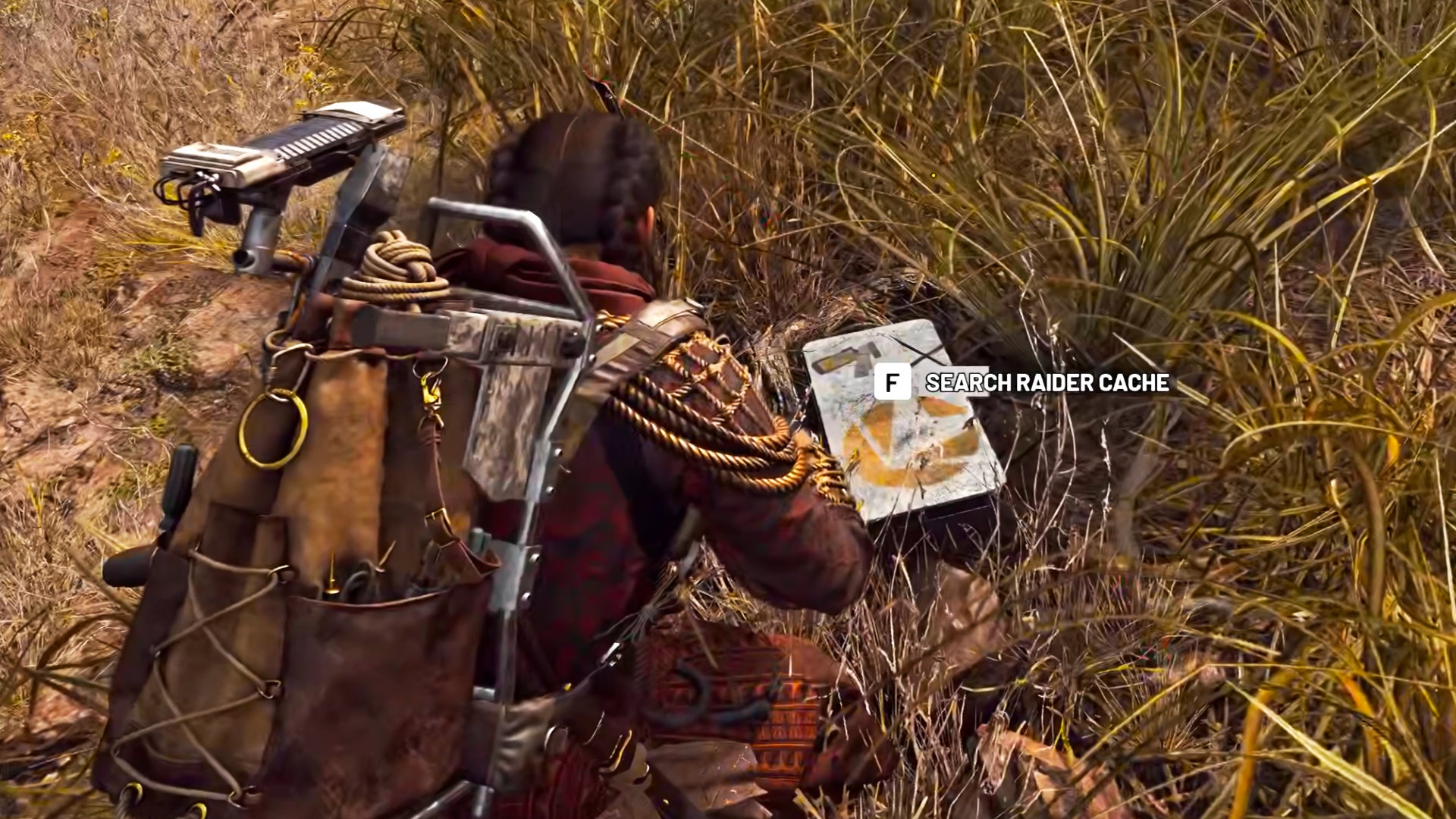
Raider Caches, Weapon Boxes, and other raider-oriented container types have a good chance of offering Blueprints. |Image credit:Rock Paper Shotgun/Embark Studios
Blueprints have a very low chance of spawning in any container in Arc Raiders, around 1-2% on average. However, there is a higher chance of finding Blueprints in particular container types. Specifically, you can find more Blueprints in Raider containers and security lockers.
Beyond this, if you’re looking for Blueprints you should focus on regions of the map which are marked as having particularly high-value loot. Areas such as the Control Tower in Dam Battlegrounds, the Arrival and Departure Buildings in Spaceport, and Pilgrim’s Peak in Blue Gate all have a better-than-average chance of spawning Blueprints somewhere amongst all their containers. Night Raids and Electromagnetic Storm events also increase the drop chances of certain Blueprints .
In addition to these containers, you can often loot Blueprints from destroyed Surveyors - the largest of the rolling ball ARC. Surveyors are more commonly found on the later maps - Spaceport and Blue Gate - and if one spawns in your match, you’ll likely see it by the blue laser beam that it casts into the sky while “surveying”.
Surveyors are quite well-armoured and will very speedily run away from you once it notices you, but if you can take one down then make sure you loot all its parts for a chance of obtaining certain unusual Blueprints.
Blueprints obtained from quests
One way in which you can get Blueprints is by completing certain quests for the vendors in Speranza. Some quests will reward you with a specific item Blueprint upon completion, so as long as you work through all the quests in Arc Raiders, you are guaranteed those Blueprints.
Here is the full list of all Blueprints you can get from quest rewards:
- Trigger Nade Blueprint: Rewarded after completing “Sparks Fly”.
- Lure Grenade Blueprint: Rewarded after completing “Greasing Her Palms”.
- Burletta Blueprint: Rewarded after completing “Industrial Espionage”.
- Hullcracker Blueprint (and Launcher Ammo Blueprint): Rewarded after completing “The Major’s Footlocker”.
Alas, that’s only 4 Blueprints out of a total of 75 to unlock, so for the vast majority you will need to find them yourself during a raid. If you’re intent on farming Blueprints, then it’s best to equip yourself with cheap gear in case you lose it, but don’t use a free loadout because then you won’t get a safe pocket to stash any new Blueprint you find. No pain in Arc Raiders is sharper than failing to extract with a new Blueprint you’ve been after for a dozen hours already.
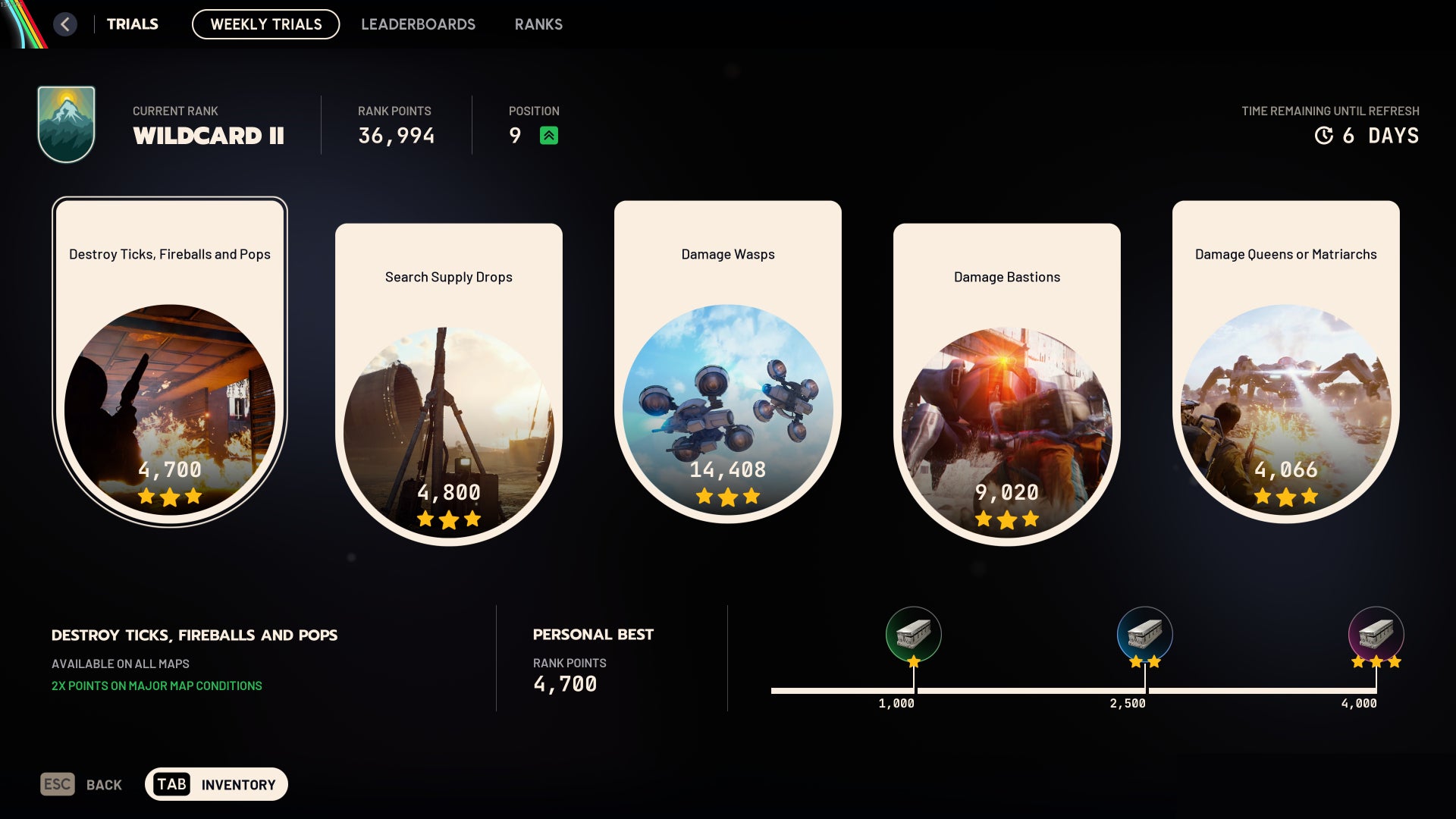
One of the best ways to get Blueprints is by hitting three stars on all five Trials every week. |Image credit:Rock Paper Shotgun/Embark Studios
Blueprints obtained from Trials
One of the very best ways to get Blueprints is as rewards for completing Trials in Arc Raiders. Trials are unlocked from Level 15 onwards, and allow you to earn rewards by focusing on certain tasks over the course of several raids. For example, one Trial might task you with dealing damage to Hornets, while another might challenge you to loot Supply Drops.
Trials refresh on a weekly basis, with a new week bringing five new Trials. Each Trial can offer up to three rewards after passing certain score milestones, and it’s possible to receive very high level loot from these reward crates - including Blueprints. So if you want to unlock as many Blueprints as possible, you should make a point of completing as many Trials as possible each week.
Best Blueprint farming locations
The very best way to get Blueprints is to frequent specific areas of the maps which combine high-tier loot pools with the right types of containers to search. Here are my recommendations for where to find Blueprints on every map, so you can always keep the search going for new crafting recipes to unlock.
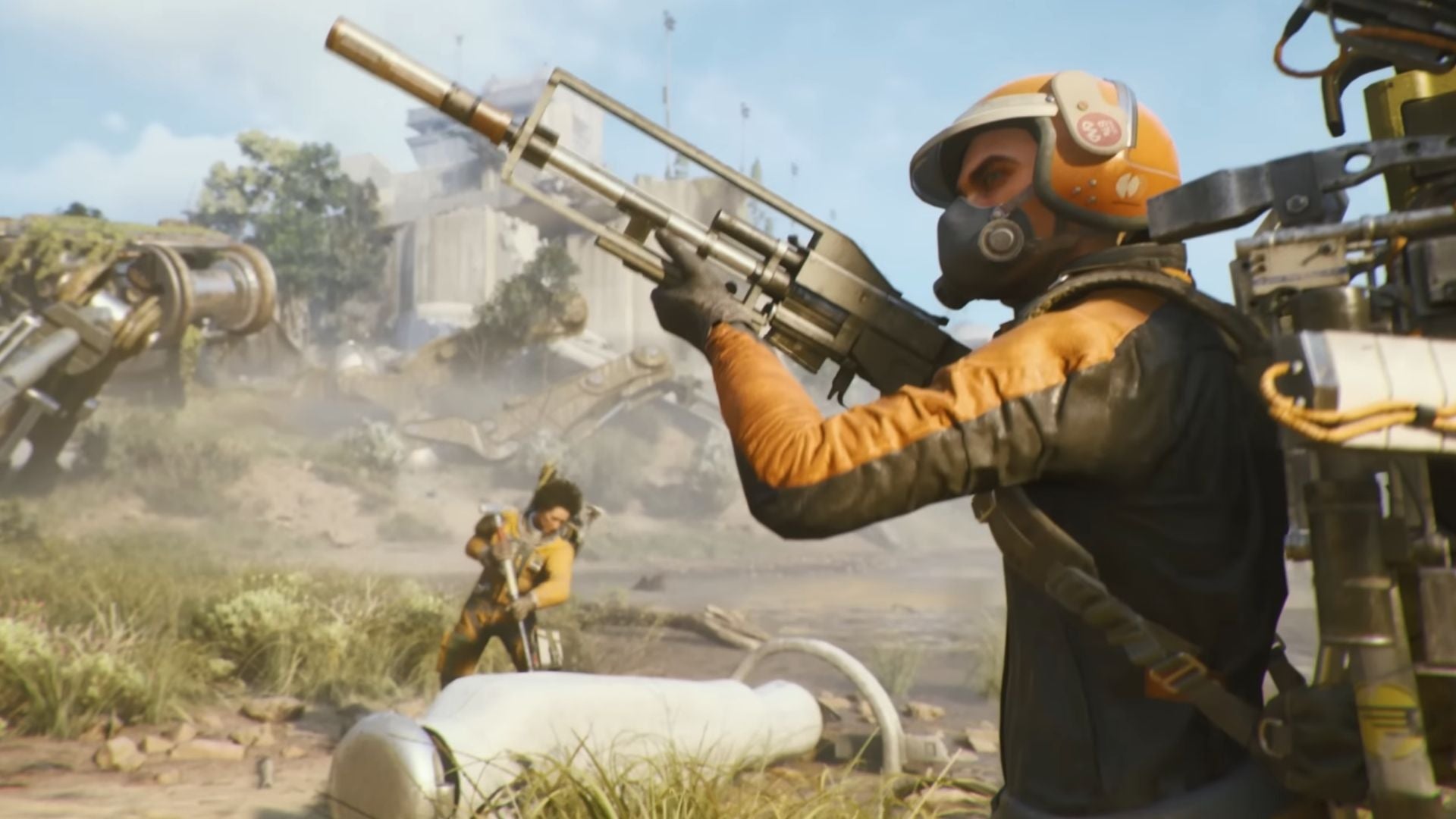
Image credit:Rock Paper Shotgun/Embark Studios
Dam Battlegrounds
The best places to farm Blueprints on Dam Battlegrounds are the Control Tower, Power Generation Complex, Ruby Residence, and Pale Apartments . The first two regions, despite only being marked on the map as mid-tier loot, contain a phenomenal number of containers to loot. The Control Tower can also contain a couple of high-tier Security Lockers - though of course, you’ll need to have unlocked the Security Breach skill at the end of the Survival tree.
There’s also a lot of reporting amongst the playerbase that the Residential areas in the top-left of the map - Pale Apartments and Ruby Residence - give you a comparatively strong chance of finding Blueprints. Considering their size, there’s a high density of containers to loot in both locations, and they also have the benefit of being fairly out of the way. So you’re more likely to have all the containers to yourself.
Buried City
The best Blueprint farming locations on Buried City are the Santa Maria Houses, Grandioso Apartments, Town Hall, and the various buildings of the New District . Grandioso Apartments has a lower number of containers than the rest, but a high chance of spawning weapon cases - which have good Blueprint drop rates. The others are high-tier loot areas, with plenty of lootable containers - including Security Lockers.
Spaceport
The best places to find Blueprints on Spaceport are the Arrival and Departure Buildings, as well as Control Tower A6 and the Launch Towers . All these areas are labelled as high-value loot regions, and many of them are also very handily connected to one another by the Spaceport wall, which you can use to quickly run from one area to the next. At the tops of most of these buildings you’ll find at least one Security Locker, so this is an excellent farming route for players looking to find Blueprints.
The downside to looting Blueprints on Spaceport is that all these areas are hotly contested, particularly in Duos and Squads. You’ll need to be very focused and fast in order to complete the full farming route.
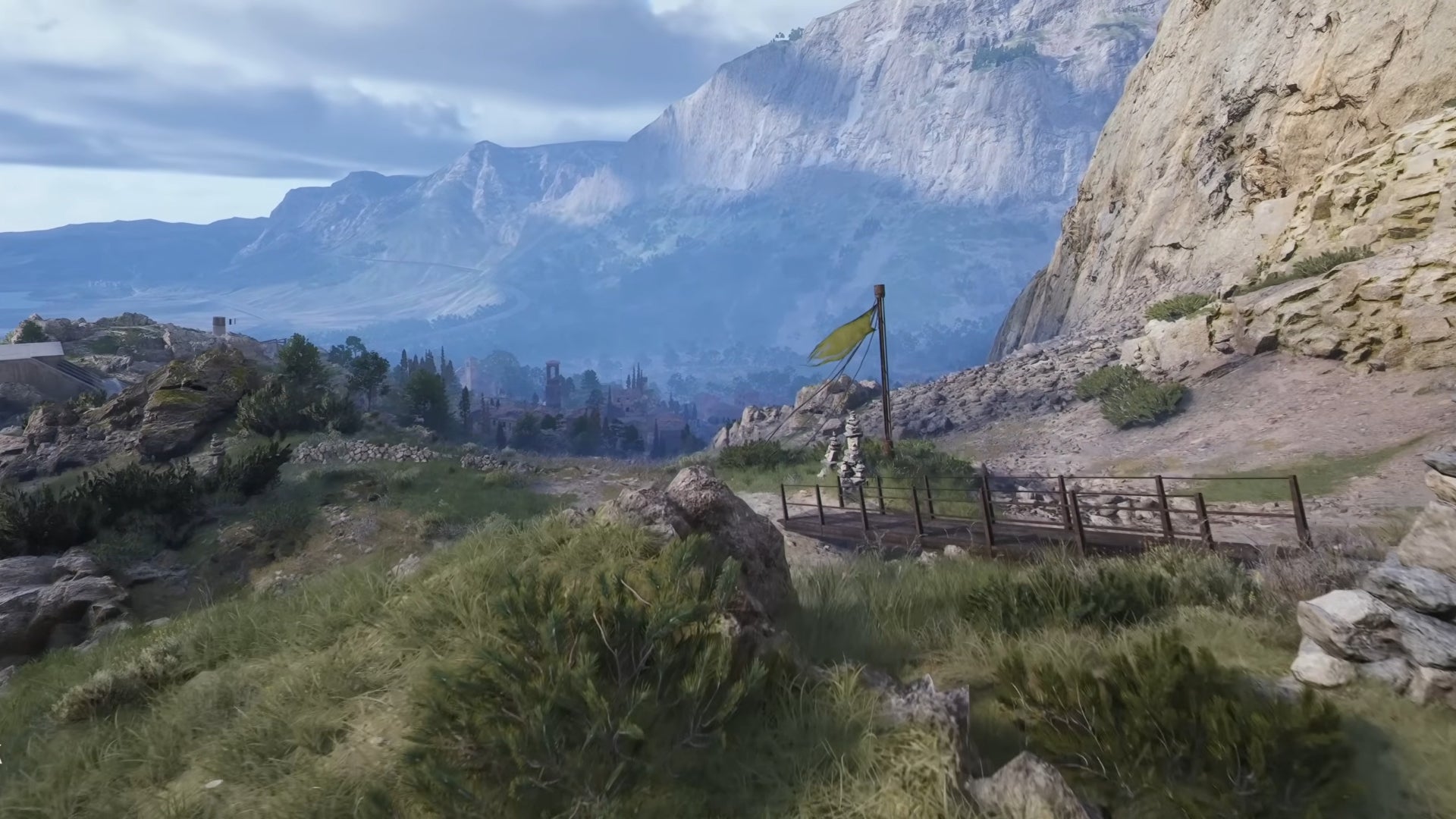
Image credit:Rock Paper Shotgun/Embark Studios
Blue Gate
Blue Gate tends to have a good chance of dropping Blueprints, potentially because it generally has a high number of containers which can hold lots of items; so there’s a higher chance of a Blueprint spawning in each container. In my experience, the best Blueprint farming spots on Blue Gate are Pilgrim’s Peak, Raider’s Refuge, the Ancient Fort, and the Underground Complex beneath the Warehouse .
All of these areas contain a wealth of containers to loot. Raider’s Refuge has less to loot, but the majority of the containers in and around the Refuge are raider containers, which have a high chance of containing Blueprints - particularly during major events.
Stella Montis
On the whole, Stella Montis seems to have a very low drop rate for Blueprints (though a high chance of dropping other high-tier loot). If you do want to try farming Blueprints on this map, the best places to find Blueprints in Stella Montis are Medical Research, Assembly Workshop, and the Business Center . These areas have the highest density of containers to loot on the map.
In addition to this, the Western Tunnel has a few different Security Lockers to loot, so while there’s very little to loot elsewhere in this area of the map, it’s worth hitting those Security Lockers if you spawn there at the start of a match.
That wraps up this primer on how to get all the Blueprints in Arc Raiders as quickly as possible. With the Expedition system constantly resetting a large number of players’ Blueprints, it’s more important than ever to have the most up-to-date information on where to find all these Blueprints.
While you’re here, be sure to check out our Arc Raiders best guns tier list , as well as our primers on the best skills to unlock and all the different Field Depot locations on every map.
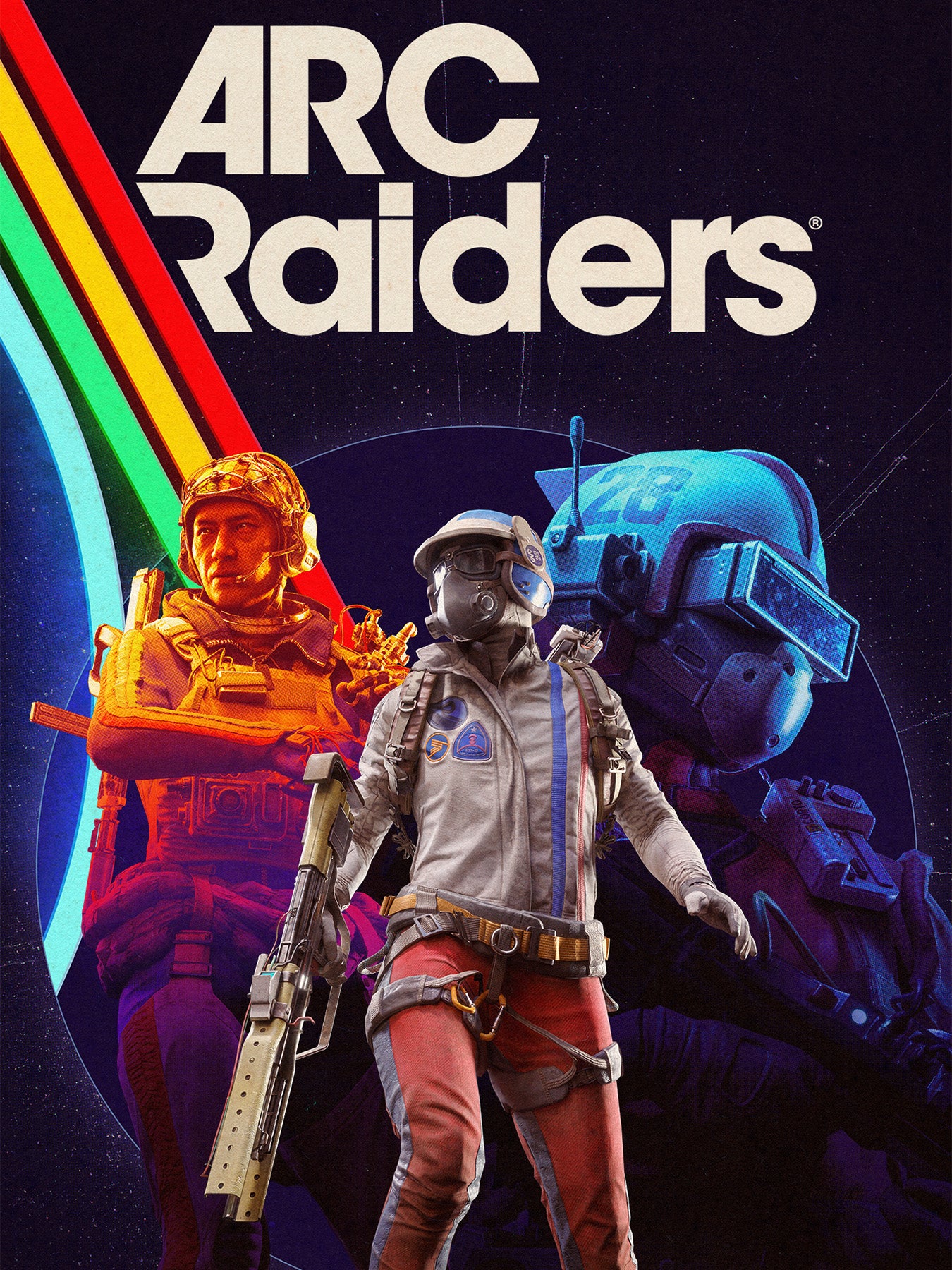
ARC Raiders
PS5 , Xbox Series X/S , PC
Rock Paper Shotgun is better when you sign in
Sign in and join us on our journey to discover strange and compelling PC games.
