Why play a fascist? Unpacking the hideousness of the Space Marine
Hammer time
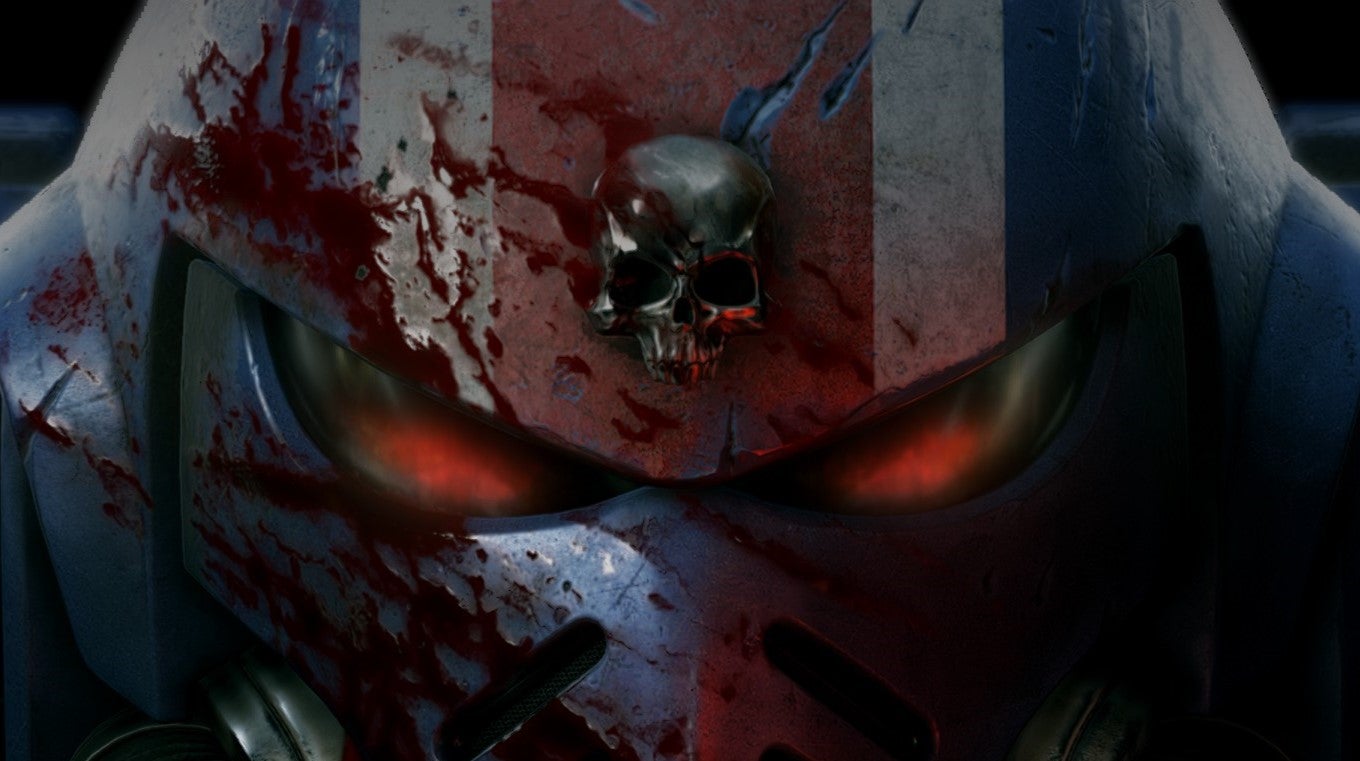
Image credit:Rock Paper Shotgun / Focus Entertainment

In order to make Warhammer 40,000: Space Marine 2 enjoyable, Saber Interactive had to make the Space Marines less like Space Marines. That’s to say, less like “semi-lobotomized, hypnotically indoctrinated slave-soldiers in thrall to an uncaring (and possibly non-existent) god”, in the words of Rick Priestley , primary writer for the original Warhammer 40,000: Rogue Trader rulebooks back in the 1980s.
In Warhammer 40,000’s supposedly satirical, definitively grimdark Imperium Of Man, the Space Marines are the genetically engineered sons and warrior-monks of the Emperor, a messianic figure reduced to a dreaming corpse on the Golden Throne, whose immense psychic emissions serve as a kind of spirit lighthouse for interstellar travel. The Space Marines are grotesque supermen clad in motorised armour, who exist to exterminate the alien, the mutant and the unclean. They are the ultimate embodiment of patriarchal xenophobic fascism. This is a source of some irony, given that they themselves barely qualify any longer as human, according to the ideals of uncorrupted humanity they champion.

Image credit:Rock Paper Shotgun / Focus Entertainment
“It’s very hard to imagine how they live their lives,” Space Marine 2’s creative director Oliver Hollis-Leick told me in an interview, shortly after the shooter launched in September. “They’re so far from our daily lives and concerns. And we had to find a way to bridge that extreme mentality with something more human, that could be connected to by fans, by audiences, by players. So that we could actually make sense of their story, rather than them just being fanatical killing machines, because it’s hard to like those characters.”
In particular, of course, Saber want you to like the Space Marines under your control - protagonist Demetrian Titus and his subordinates, Chairon and Gadriel. Together, says Hollis-Leick, the trio form “a window into the difficult life of a Space Marine”, where “there’s a threat of corruption on every side, it’s a real threat, and you have to be firm and unwavering, and then if you get on the right side of them, there’s this absolute brotherhood and sacrifice that you get from it.” Without spoiling too much, there is mistrust within the team: Chairon and Gadriel suspect Titus of being tainted by the swirling cosmic realm of Chaos, a seedbed for demons and sorcery. But the game tempers their zealotry, both in terms of the plot - which, as you’d expect from an action game, mires them in the moment of battle with overwhelming swarms of insect monsters - and in terms of how they talk.
Hollis-Leick and narrative director Craig Sherman pushed back on some of the “do’s and don’ts” they received from Games Workshop about Space Marine vocabulary. They deviated from the suggested phraseology to make Titus and his comrades sound less “strange and antiquated”, less like the Spanish Inquisition, and more like soldiers from real-world present-day militaries. “Space Marines don’t necessarily say things like ‘dismissed’,” Hollis-Leick observed. “There’s a line in the game where Acheran says ‘company dismissed’ and they really wanted me to change that to ‘brothers, attend your duties’, or something. But it’s three words instead of one, and if that model was applied to all of the language in the game, I really strongly felt that people wouldn’t get it.”
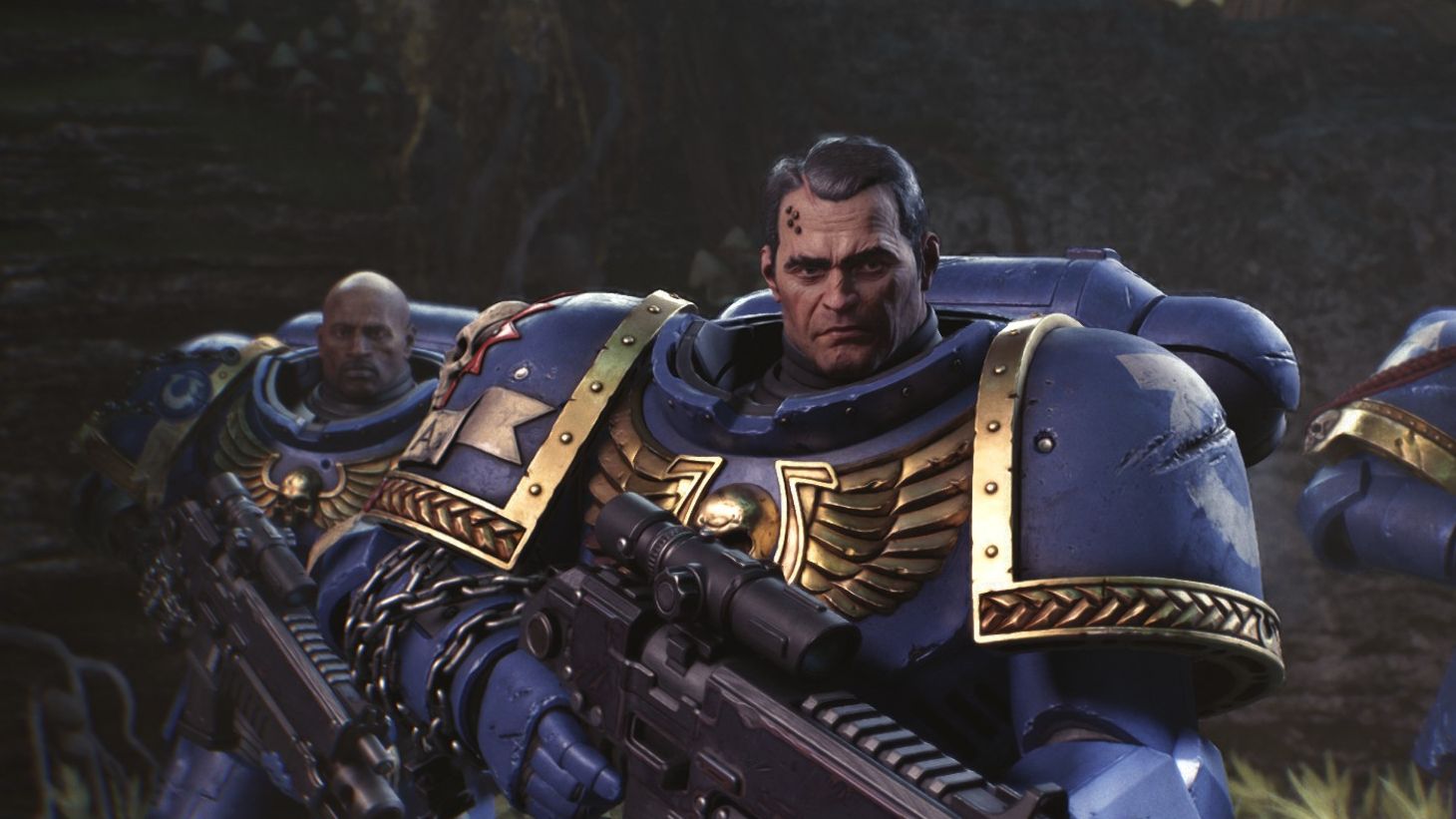
Image credit:Rock Paper Shotgun / Focus Entertainment
It’s saying something about how accustomed I am to the ostensibly parodic figure of the Space Marine being portrayed as a hero that I didn’t really question this desire to make you “like” and “get” the “fanatical killing machines” at the time. To be clear, I don’t think Saber are deliberately and consciously trying to kindle empathy for literal fascist enforcers in Space Marine 2. Much of the above reasoning is grounded in ostensibly neutral, best-practicey questions of craft and characterisation.
Still, it would have been useful to dig into what it means to make Space Marines likeable, because Warhammer 40,000 today has an issue with certain groups of players actively identifying with them. Exactly how far this extends is unclear, but the game’s fascist subculture is significant enough that Games Workshop have felt moved to publish statements disavowing outright bigots, and ‘reminding’ the tabletop community that the Imperium Of Man is a send-up of fascism, of empire and of murderous patriarchs, not an endorsement.
The company’s outspokenness is praiseworthy, and there’s the argument that much of this is out of their hands: every community harbours extremists who read against the grain. But Games Workshop are also guilty of hypocrisy, here, in that modern-day Warhammer 40,000 is a far cry from the “satire” it once claimed to be. Back in the 1980s, Warhammer 40,000 could have been called counterculture, its loopy ur-fascist universe a warping of Thatcherite Britain and the Cold War, its artworks and characterisations subversive in their feckless jamming-together of devices from 2000 AD comics, Milton and Dune. But over time, the license holders have softened and consolidated the wackier elements in order to make Warhammer 40,000 more sellable - a gradual mainstreaming that has transformed the Space Marine in particular from a crazed and distorted thug into a stoical, comradely and devout ’necessary evil’ pitched against a galaxy of apocalyptic terrors.

Image credit:Games Workshop
In 2023, the writer and designer Tim Colwill published a comprehensive account of how Warhammer 40,000’s reverential militarism and apocalyptic fascist sentiments have slowly overgrown the more whimsical and pluralistic aspects of this “sci-fantasy” setting. He discusses how the Space Marine, Games Workshop’s best-selling miniature, has ‘matured’ from a jackbooted bully into the doughty and dogmatic paladins we see in Space Marine 2, endowed with a “tacticool” aesthetic ready-made for modern third-person shooters, which “cleaves away from the colourful exaggeration of the 1980’s and much closer to the real-world military gear of special forces operators”.
Colwil’s appraisal of Warhammer 40,000’s gradual grimdarkening deserves to be read alongside Susan Sontag’s essay “Fascinating Fascism” , written in 1977, which explores how the culture industry can serve as a laundering apparatus for shitty ideas, reintroducing verboten people and things by means of an “insinuative” process of “waiting for cycles of taste to distill out the controversy”. In the course of what is technically a product review - see, reviews are allowed to be political! - Sontag touches on the various means by which Nazi art especially has become acceptable as museum piece, as pop motif, as kink: the “knowing and sniggering detachment” of sophisticates, pissing about with tropes; an obstinate escapist inclination to divorce art from its political context and enjoy it “for itself”, recently echoed in Saber Interactive CEO Matthew Karch’s grumbling over games that “impose morals” on players ; a delight in breaking taboos; and in the case of the Nazi filmmaker Leni Riefenstahl, a desire to reclaim a prominent female artist for feminism.
I think you see a similar blend of ironical enjoyment, fetishisation and questionable progressive politicking in how Warhammer 40,000 has evolved, since the debut of the tabletop wargame’s first miniatures and rulebooks. One thing I read between the lines of Colwil’s piece is the risk of intolerance bred by the increasing consistency and “professionalisation” of Warhammer 40,000 as a fiction. The early Warhammer 40,000 rulebooks are a jumble of inspirations and references: Judge Dredd, Warhammer Fantasy Battle, Rogue Trooper and much more besides. As Colwil explores, the later editions have standardised the writing and aesthetics of Warhammer 40,000, even as the setting has swelled in the hands of spin-off novelists, artists and animators. A tabletop universe based around improvisational painting and fan storytelling has become a canon that, in the case of Space Marine 2, obliged Saber to haggle with Games Workshop over everything from the spacing of rivets on power armour to how exactly Space Marines should walk, jog and run.
It can be pleasing to inhabit a fiction where all the pieces are smoothly bolted together, working in lockstep. But teaching people to favour the consistency of imaginary worlds may also teach them to vilify disagreement and the entire practice of interpretation. At its nastiest, this mentality both facilitates and camouflages bigotry. Take the backlash against the concept of female Space Marines. That Space Marine recruits are all cisgender men is a commercial accident, albeit one that speaks to the boy’s club undertow of the wargaming scene: according to Colwil, Games Workshop simply couldn’t sell enough boxes of mixed-gender Space Marines, and rewrote the lore to justify only shipping male miniatures. Nowadays, this business technicality has become an article of faith among certain male players, which makes the introduction of a new, Marine-adjacent faction of mixed-gender Custodes not just an attempt to attract women to the game, but a form of heresy.
All this notwithstanding, I’m not sure the mainstreaming of Warhammer 40,000’s satire entirely explains why the setting has become so attractive to fascists that the license holders have felt moved to remind us that Warhammer 40,000 is supposed to be satire. The more complicated problem with Warhammer 40,000 is that the depictions of fascism it supposedly lampoons - the uniforms, posters, films and other artworks that drew millions in the 1930s and 1940s - are more compelling today than many anti-fascists would care to admit. It’s dangerous, Sontag says, to reduce fascism to “brutishness and terror”. Fascism survives because it offers things to aspire to - in Sontag’s summary, “the ideal of life as art, the cult of beauty, the fetishism of courage, the dissolution of alienation in ecstatic feelings of community”. These are relatively innocuous values and emotions that may also appear in, say, rock music, in superhero stories, at wargaming tournaments and sports events, and in earnest game developer paeans to “absolute brotherhood and sacrifice”.

Image credit:Rock Paper Shotgun/Focus Entertainment
Speaking as an occasional enjoyer of Warhammer 40,000 (I loved Complex’s XCOMalike Warhammer 40,000: Chaos Gate - Daemonhunters ) I do think the setting actively channels various proto-fascist longings. Sontag’s characterisation of the hypnotic “fascist dramaturgy” on display in Nazi artworks and photography of Nazi rallies reads like a dissection of a Space Marine codex cover - the classic spectacle of the Marines piled up like crabs in a bucket, balanced between “egomania and servitude”, domination of others and submission to an almighty leader, “extravagant effort, and the endurance of pain”.
Illustrations of Space Marine battle scenes and pageants are routinely defined by what Sontag calls “orgiastic transactions between mighty forces and their puppets, uniformly garbed and shown in ever swelling numbers”, alternating “between ceaseless motion and a congealed, static, ‘virile’ posing”. If there is supposed to be an overtone of absurdist exaggeration, I’m not sure that appears in a lot of latter-day Space Marine art. There is, I think, zero sense of caricature at work in Space Marine 2’s combat: as Matthew Karch put it in his complaint about video game moralising, “we just want to do some glory kills and get the heart rate up a little.”
Almost a century since European fascism arose, we may intellectually understand such art for a display of hatred, and yet still feel drawn to it, perhaps because we live in grimdark times indeed. I think the “brutishness and terror” of Warhammer 40,000, the obviousness of its debts to the theatrics of tyrants like Hitler and Mussolini, may actually be what lends it “positive” appeal, in that embracing a monstrous taboo produces a sense of freedom from the hypocrisy that ‘all is well’. The Imperium is one of many cathartic dark fantasy statements about the hideousness of contemporary reality: it channels a conviction that our world, this neoliberal and imperial capitalist dog’s dinner, is not in fact the height of progress, but fundamentally awful and only getting worse.
This was possibly true of Warhammer 40,000 as it was conceived in 1980s Britain. It’s certainly true today, amid pandemics, mass layoffs, tangible climate change impacts, colonial genocide, witchhunts, sprawling enmity and inequality, and clear evidence that the planet’s wealthiest are a pack of would-be post-human autocrats who are even now feeding their plunder into various “accelerationist” self-preservation initiatives , predicated on the extinction of everybody else. At the heart of the “developed” West, the civic and political institutions that arose from the old post-war liberal social consensus moulder in gathering undeath like the Emperor dreaming on his Golden Throne, objects of worship that have been hollowed out by capital.
At its most potent, the Imperium Of Man can be a fiction that renders all this disgustingly concrete and provides some relief, opening an interval for laughter and discussion. This, for me, is the point of its satire. But satire doesn’t really work when you commodify it successfully: the all-important historical context is lost as the business evolves over decades and moves between markets, and the need to sell a product encourages a more straightforward, positive identification with the radiant fascist tropes Sontag describes.
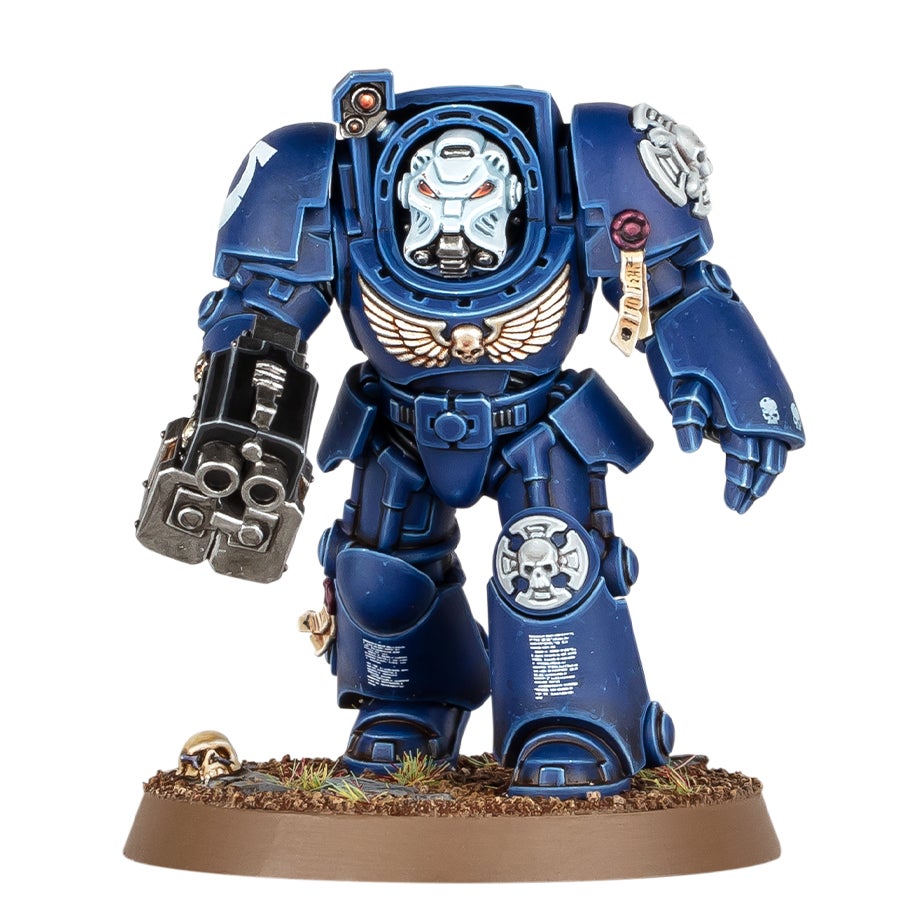
Image credit:Games Workshop
Within Warhammer 40,000’s galactic expression of despair, the figure of the Space Marine offers a particular sense of identity and purpose for suffering, vindictive men. Grieving for her own brother’s turn toward misogyny, bell hooks writes that the first act of violence that patriarchy demands of men isn’t abuse of women, but “self-mutilation”, adding that “if an individual is not successful in emotionally crippling himself, he can count on patriarchal men to enact rituals of power that will assault his self-esteem”. This is what patriarchs mean by “making a man” of you, and Warhammer 40,000 monsters that process in the rituals of a Space Marine’s recruitment : abducted from the most traumatised levels of society; brutalised and brainwashed; carved open and filled with “gene-seeds” derived from alpha male “primarchs” that rework the flesh, producing ogre-ish scale and potency.
Space Marines are thereby rendered chemically sterile and as such, warded against the seductive, annihilating enigma that is the patriarchal conception of women. With a handful of exceptions in the spin-off books, any interest in romance or sex has been replaced by zealotry. Space Marines are the ultimate incels. They perform what Sontag calls fascism’s “ideal eroticism: sexuality converted into the magnetism of leaders and the joy of followers”, which doesn’t simply erase the ‘problem’ of sex but reframes the savage repression of the sexual urge as a manly virtue.
The appeal of the Space Marine fantasy is that it takes the alienation, misogyny and misery of being “man-made” and flips it into a rigid gasmask of pride and belonging, of indestructible and unquestioning purpose. In return for all the mutilations it deals and expects, it promises calm and some degree of togetherness - and this is why it doesn’t really operate, in the bulk of Warhammer 40,000 art I’ve encountered, as parody or satire. It’s too heartfelt. In service to the Master of Mankind we transmute anguish into serenity. We find purpose in the mutual example of our battle-brothers, and in the reassuringly permanent suspicion of subversion. We are proofed and plated against the wiles of the exotic and the effete. We find peace in the fact of being already dead, already sacrificed and cannibalised by the glowing image of the elder patriarch.
I’m not immune to this hellish daydream. It’s a carnival mirrorshow for all the tacky little aggressions and humiliations of my own upbringing. I understand my own masculinity as a wound that is slowly healing, and which is reopened periodically by the experience of art that cultivates the old patriarchal frenzy. I find Warhammer 40,000’s Imperium freeing, as a magnification of the grinding stupidity of patriarchy, but I also feel the pull of these warty stereotypes. I look at the thunderously daft trailer for Relic’s Warhammer 40,000: Dawn Of War 3 and, silly as it sounds, I tear up a little, because I see in the smiling face of the doomed Marine the sheer absence of fear my older male conditioning has always demanded, and never permitted. But I also look at it with anger, because of course, it is an idea that wants to kill me.

In the words of Ursula Le Guin , “it is the story that hid my humanity from me, the story the mammoth hunters told about bashing, thrusting, raping, killing, about the Hero.” She was writing about how women and the tales they weave are omitted from the entire conception of narrative in Western fantasy literature. But this also describes how fables of masculinity, even farcical ones, hide from men their capacity for tenderness, for kindness. Like all caricatures, the Space Marine ought to shed light on all this, unpacking masculinity’s old war machines, wrenching and exaggerating in order to reveal. But Space Marines today are not built for this purpose. They are designed to be heroes, their brainwashed fanaticism minimised even as their faces are cleansed of unsightly cyborg extrusions, the ugly metal fittings made elegant, comparable to the tactical headsets worn by their equivalents in Call Of Duty.
How could Warhammer 40,000, and video game adaptations like Warhammer 40,000: Space Marine 2, rediscover the setting’s notional anti-fascism? I’m not sure it’s possible: there is too much world-building to dismantle. I don’t think there’s much to be gained from cleaning up the image of the Space Marine, whether by having them say “company dismissed” instead of “brothers, attend your duties”, or by re-characterising Space Marines according to otherwise worthwhile diversity ideals. You can’t improve a monster like this. I think you have to double down on the hideousness instead. You have to lean into the unlikeability of the Space Marine. Above all, perhaps, you have to remind yourself that the Space Marine is a clown .
In the first editions of Warhammer 40,000, the Marines appear more ridiculous than formidable . They are squalid gargoyles of flesh and circuitry. They are strung-out fashy gang-bangers in leather belts and onion armour. They are incompetent coppers, sneering schutzstaffel . They are silly and dysfunctional, leering between the number tables of the first edition like fairytale ogres playing at knights. Where today’s Space Marines appear evenly proportioned and graceful for all their bulk, much of the early art occupies a hinterland between linear depth of perspective and the flattened crowds of a medieval altar piece. The Space Marines of this era look false and ungainly, at once bulbous and glistening and smeared across the canvas . They are laughable. They are enjoyable grotesques.

Image credit:John Sibbick / Games Workshop
This reflects the ostentatiously scraped-together feel of early Warhammer 40,000 at large. It’s a work of crafty and capacious thoughtlessness, marching beneath a sci-fantasy banner that grants license to pilfer from everywhere and everywhen. “High” and “low” culture undergo cybernetic recombination: the founding tale of a Space Marine rebellion against the Emperor, led by the Chaos-polluted Horus, is a reworking of Satan’s treachery in Paradise Lost , but there is also a character called Obiwan Sherlock Clousseau, and a planet named in mockery of Birmingham. The whole thing is reminiscent of Shakespeare, not in the gilding of the poesy or the sentiments, but in the way it plays to the pit as much as to the gallery.
The setting has obvious topicality, but the fiction is too incoherent to be sustained political commentary. It reaches tentacles in all directions. It is a libidinal kit-bashing of everything the authors find intriguing or intriguingly revolting about their time. And at the core of all that ravenous world-building there is the Space Marine.
One of my favourite artworks from this primordial period is David Gallagher’s Lost Patrol , printed on the cover of White Dwarf magazine in 1992 . It depicts a crowd of Space Marines and other Imperial goons descending a stair in some phantom dimension, with the suggestion of city architecture in the top corner. A couple of the Marines resemble the ones you see in Space Marine 2, with uniform armour and heraldry and a particular squareness of jaw, a glintiness of eye that has become canonical. But most of them look like press-ganged junkies in face paint and pretentious mohawks, leering at the shadows. Their costumes and equipment are unconvincing, snatched from a backstage wardrobe in passing. There are chainswords and Lawmaker-style modular pistols, but there are also gaudy penants and ribboned Tudor sleeves. The guy in bottom right looks like he’s bumbled in from a syncretic pagan re-enactment, with a laurel wreath and a feather dangling from his battleaxe.
Doubtless, much of this can be grounded in particular gobbets of Space Marine backstory, but the impression I get, looking back from 2024, is of a setting happy to lose and squander itself in the kinesis of its appropriations and transformations. The guy up top performatively pointing a gun that is also pointing itself feels like the mascot for these early years of gluttonous, disorderly pastiche. By contrast, Warhammer 40,000 today evokes stasis. It has compacted and reduced many of these disparate materials into something monolithic and ancient and respectable. Compare that artwork with Gallagher’s later cover for the spin-off boardgame Lost Patrol . The matching uniforms. The interchangeable faces and sedate colour composition. The impression of being overwhelmed that is oddly consistent with an almost supine sense of control, of mastery over encroaching legions of the Other. Whatever energy was here is long gone.
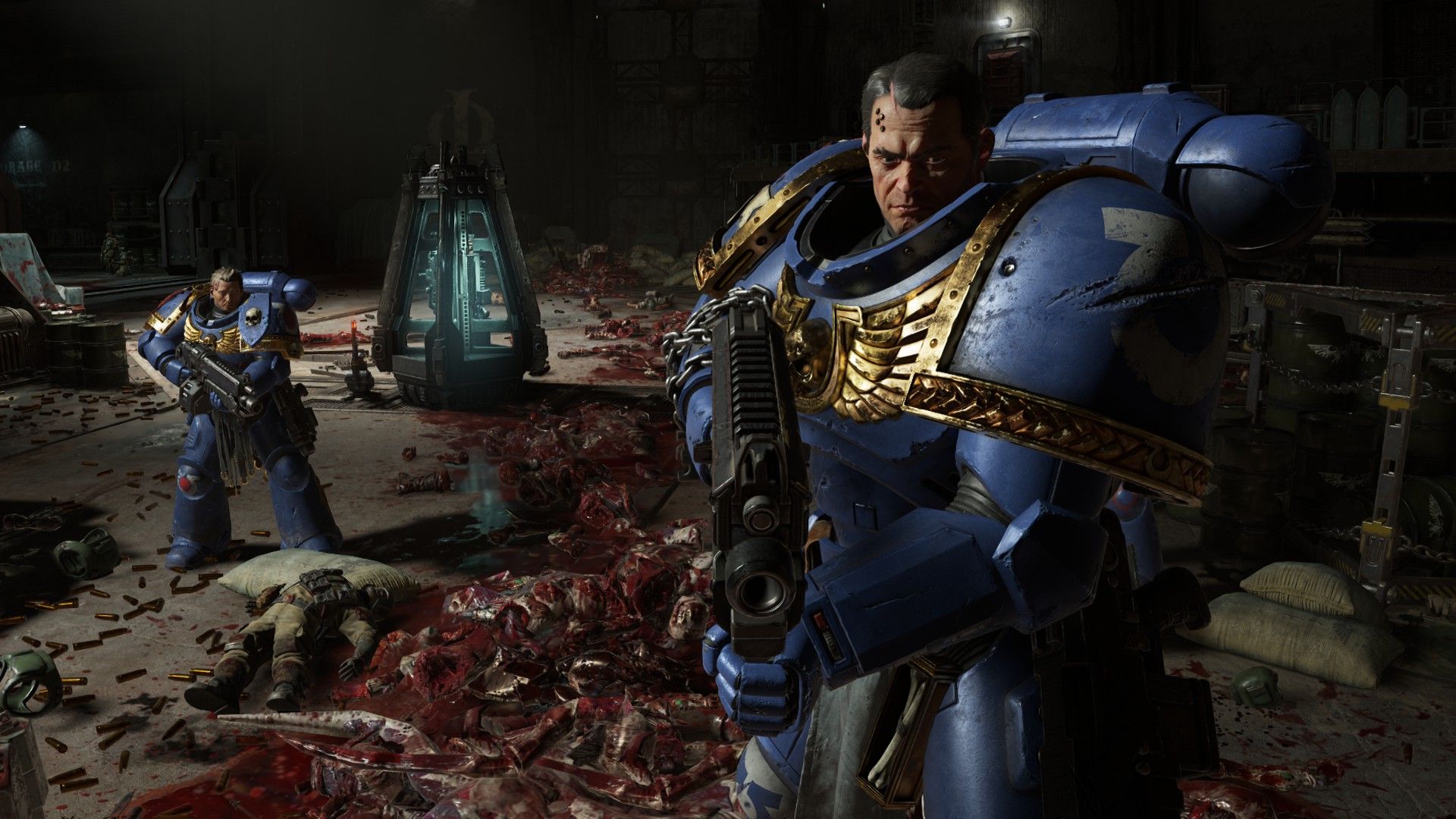
Image credit:Rock Paper Shotgun / Focus Entertainment
It is tricky to pick a path through the entanglements of fascism with other cultural institutions. The rot goes deep. One ready objection to the above praise for early 40K art is that fascists may be more dangerous when they seem totally daft and ramshackle. Donald Trump is a clown. He’s easy to laugh at. The post-Gamergate alt-right movement that helped elevate Trump into a “God Emperor” excel at making bigotry seem harmless by presenting it as edgy humour - or even better, as purposeful tastelessness, as cringe. Their basic debating gambit is to lambast their opponents for taking things too seriously.
Still, revisiting artworks like “Lost Patrol” feels like a good start for anybody genuinely committed to the notional anti-fascism of the Space Marine, inasmuch as it dissolves today’s consecrated noble killer into a hash of referencing, smashed together in a manner that is, I think, genuinely countercultural, because the mode of composition exhibits no respect for the military, for beauty, for the religious ecstasy of crowds, for empires.
Looking at that posse of pantomime idiots touting their stupid props, these mismatched fools glorying in their own placelessness, these ciphers glued together from car boot salvage, I don’t get a sense of masculine empowerment, a feeling of being swept up into an imperial brotherhood of righteous loathing and suspicion. Instead, I see an ethos of self-deprecating abandon and above all, an embrace of disparity , with the things Space Marines are now known for - patriarchal rage, absolute dominion and destruction - reduced to gaudy foreground elements, picked up and brandished like toys. I don’t like these figures in the way that Saber Interactive would have us empathise with Titus and co in Space Marine 2, but I am curious about them. I’d like to know where they’re going.
Warhammer 40,000: Space Marine II
PS5 , Xbox Series X/S , PC
Rock Paper Shotgun is better when you sign in
Sign in and join us on our journey to discover strange and compelling PC games.

All 75 Arc Raiders Blueprints and where to get them
These areas have the highest chance of giving you Blueprints
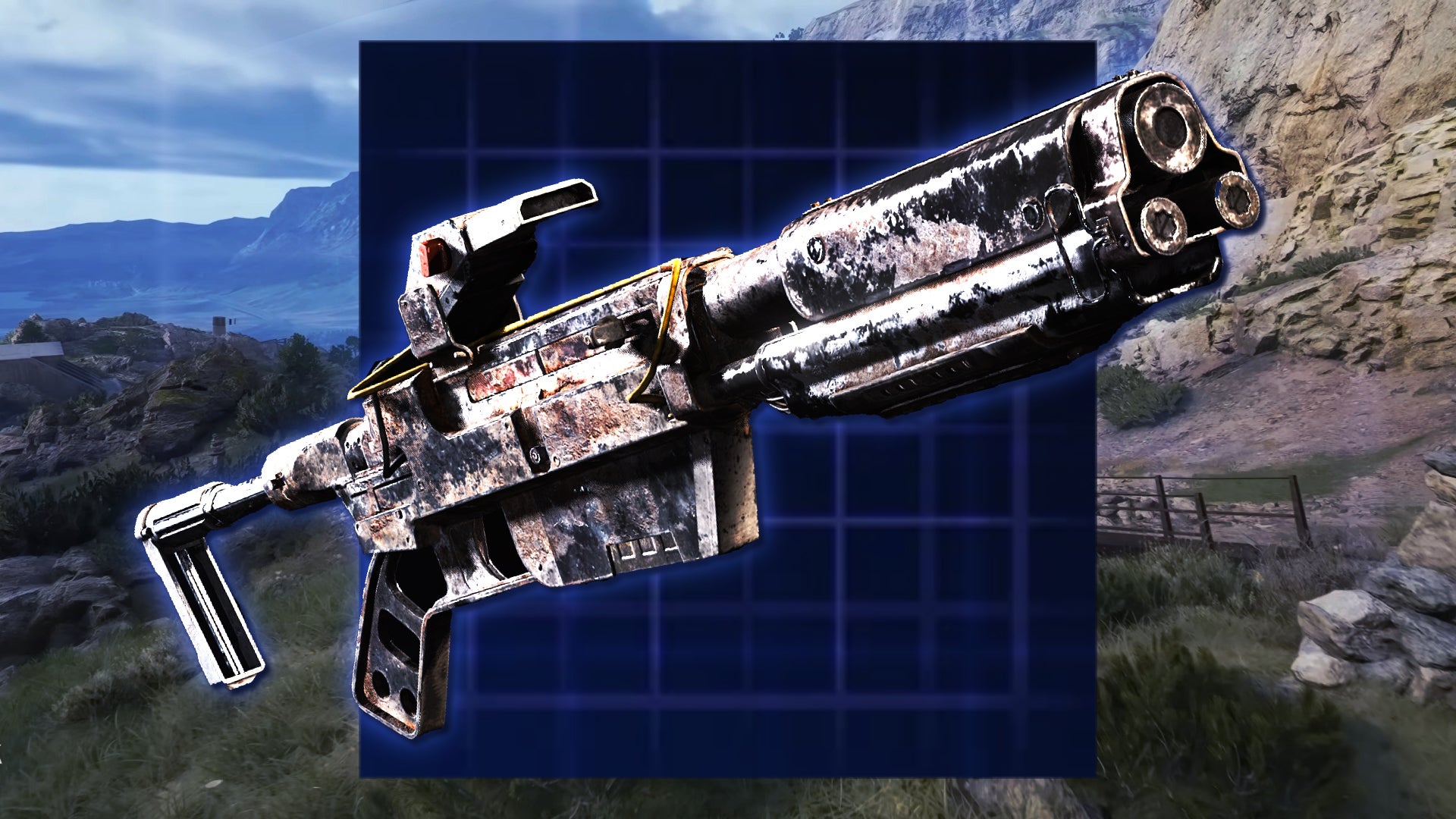
Image credit:Rock Paper Shotgun/Embark Studios

Looking for more Arc Raiders Blueprints? It’s a special day when you find a Blueprint, as they’re among the most valuable items in Arc Raiders. If you find a Blueprint that you haven’t already found, then you must make sure you hold onto it at all costs, because Blueprints are the key to one of the most important and powerful systems of meta-progression in the game.
This guide aims to be the very best guide on Blueprints you can find, starting with a primer on what exactly they are and how they work in Arc Raiders, before delving into exactly where to get Blueprints and the very best farming spots for you to take in your search.
We’ll also go over how to get Blueprints from other unlikely activities, such as destroying Surveyors and completing specific quests. And you’ll also find the full list of all 75 Blueprints in Arc Raiders on this page (including the newest Blueprints added with the Cold Snap update , such as the Deadline Blueprint and Firework Box Blueprint), giving you all the information you need to expand your own crafting repertoire.
In this guide:
- What are Blueprints in Arc Raiders?
- Full Blueprint list: All crafting recipes
- Where to find Blueprints in Arc Raiders Blueprints obtained from quests Blueprints obtained from Trials Best Blueprint farming locations

What are Blueprints in Arc Raiders?
Blueprints in Arc Raiders are special items which, if you manage to extract with them, you can expend to permanently unlock a new crafting recipe in your Workshop. If you manage to extract from a raid with an Anvil Blueprint, for example, you can unlock the ability to craft your very own Anvil Pistol, as many times as you like (as long as you have the crafting materials).
To use a Blueprint, simply open your Inventory while in the lobby, then right-click on the Blueprint and click “Learn And Consume” . This will permanently unlock the recipe for that item in your Workshop. As of the Stella Montis update, there are allegedly 75 different Blueprints to unlock - although only 68 are confirmed to be in the game so far. You can see all the Blueprints you’ve found and unlocked by going to the Workshop menu, and hitting “R” to bring up the Blueprint screen.
It’s possible to find duplicates of past Blueprints you’ve already unlocked. If you find these, then you can either sell them, or - if you like to play with friends - you can take it into a match and gift it to your friend so they can unlock that recipe for themselves. Another option is to keep hold of them until the time comes to donate them to the Expedition.
Full Blueprint list: All crafting recipes
Below is the full list of all the Blueprints that are currently available to find in Arc Raiders, and the crafting recipe required for each item:
| Blueprint | Type | Recipe | Crafted At |
|---|---|---|---|
| Bettina | Weapon | 3x Advanced Mechanical Components 3x Heavy Gun Parts 3x Canister | Gunsmith 3 |
| Blue Light Stick | Quick Use | 3x Chemicals | Utility Station 1 |
| Aphelion | Weapon | 3x Magnetic Accelerator 3x Complex Gun Parts 1x Matriarch Reactor | Gunsmith 3 |
| Combat Mk. 3 (Flanking) | Augment | 2x Advanced Electrical Components 3x Processor | Gear Bench 3 |
| Combat Mk. 3 (Aggressive) | Augment | 2x Advanced Electrical Components 3x Processor | Gear Bench 3 |
| Complex Gun Parts | Material | 2x Light Gun Parts 2x Medium Gun Parts 2x Heavy Gun Parts | Refiner 3 |
| Fireworks Box | Quick Use | 1x Explosive Compound 3x Pop Trigger | Explosives Station 2 |
| Gas Mine | Mine | 4x Chemicals 2x Rubber Parts | Explosives Station 1 |
| Green Light Stick | Quick Use | 3x Chemicals | Utility Station 1 |
| Pulse Mine | Mine | 1x Crude Explosives 1x Wires | Explosives Station 1 |
| Seeker Grenade | Grenade | 1x Crude Explosives 2x ARC Alloy | Explosives Station 1 |
| Looting Mk. 3 (Survivor) | Augment | 2x Advanced Electrical Components 3x Processor | Gear Bench 3 |
| Angled Grip II | Mod | 2x Mechanical Components 3x Duct Tape | Gunsmith 2 |
| Angled Grip III | Mod | 2x Mod Components 5x Duct Tape | Gunsmith 3 |
| Hullcracker | Weapon | 1x Magnetic Accelerator 3x Heavy Gun Parts 1x Exodus Modules | Gunsmith 3 |
| Launcher Ammo | Ammo | 5x Metal Parts 1x Crude Explosives | Workbench 1 |
| Anvil | Weapon | 5x Mechanical Components 5x Simple Gun Parts | Gunsmith 2 |
| Anvil Splitter | Mod | 2x Mod Components 3x Processor | Gunsmith 3 |
| ??? | ??? | ??? | ??? |
| Barricade Kit | Quick Use | 1x Mechanical Components | Utility Station 2 |
| Blaze Grenade | Grenade | 1x Explosive Compound 2x Oil | Explosives Station 3 |
| Bobcat | Weapon | 3x Advanced Mechanical Components 3x Light Gun Parts | Gunsmith 3 |
| Osprey | Weapon | 2x Advanced Mechanical Components 3x Medium Gun Parts 7x Wires | Gunsmith 3 |
| Burletta | Weapon | 3x Mechanical Components 3x Simple Gun Parts | Gunsmith 1 |
| Compensator II | Mod | 2x Mechanical Components 4x Wires | Gunsmith 2 |
| Compensator III | Mod | 2x Mod Components 8x Wires | Gunsmith 3 |
| Defibrillator | Quick Use | 9x Plastic Parts 1x Moss | Medical Lab 2 |
| ??? | ??? | ??? | ??? |
| Equalizer | Weapon | 3x Magnetic Accelerator 3x Complex Gun Parts 1x Queen Reactor | Gunsmith 3 |
| Extended Barrel | Mod | 2x Mod Components 8x Wires | Gunsmith 3 |
| Extended Light Mag II | Mod | 2x Mechanical Components 3x Steel Spring | Gunsmith 2 |
| Extended Light Mag III | Mod | 2x Mod Components 5x Steel Spring | Gunsmith 3 |
| Extended Medium Mag II | Mod | 2x Mechanical Components 3x Steel Spring | Gunsmith 2 |
| Extended Medium Mag III | Mod | 2x Mod Components 5x Steel Spring | Gunsmith 3 |
| Extended Shotgun Mag II | Mod | 2x Mechanical Components 3x Steel Spring | Gunsmith 2 |
| Extended Shotgun Mag III | Mod | 2x Mod Components 5x Steel Spring | Gunsmith 3 |
| Remote Raider Flare | Quick Use | 2x Chemicals 4x Rubber Parts | Utility Station 1 |
| Heavy Gun Parts | Material | 4x Simple Gun Parts | Refiner 2 |
| Venator | Weapon | 2x Advanced Mechanical Components 3x Medium Gun Parts 5x Magnet | Gunsmith 3 |
| Il Toro | Weapon | 5x Mechanical Components 6x Simple Gun Parts | Gunsmith 1 |
| Jolt Mine | Mine | 1x Electrical Components 1x Battery | Explosives Station 2 |
| Explosive Mine | Mine | 1x Explosive Compound 1x Sensors | Explosives Station 3 |
| Jupiter | Weapon | 3x Magnetic Accelerator 3x Complex Gun Parts 1x Queen Reactor | Gunsmith 3 |
| Light Gun Parts | Material | 4x Simple Gun Parts | Refiner 2 |
| Lightweight Stock | Mod | 2x Mod Components 5x Duct Tape | Gunsmith 3 |
| Lure Grenade | Grenade | 1x Speaker Component 1x Electrical Components | Utility Station 2 |
| Medium Gun Parts | Material | 4x Simple Gun Parts | Refiner 2 |
| Torrente | Weapon | 2x Advanced Mechanical Components 3x Medium Gun Parts 6x Steel Spring | Gunsmith 3 |
| Muzzle Brake II | Mod | 2x Mechanical Components 4x Wires | Gunsmith 2 |
| Muzzle Brake III | Mod | 2x Mod Components 8x Wires | Gunsmith 3 |
| Padded Stock | Mod | 2x Mod Components 5x Duct Tape | Gunsmith 3 |
| Shotgun Choke II | Mod | 2x Mechanical Components 4x Wires | Gunsmith 2 |
| Shotgun Choke III | Mod | 2x Mod Components 8x Wires | Gunsmith 3 |
| Shotgun Silencer | Mod | 2x Mod Components 8x Wires | Gunsmith 3 |
| Showstopper | Grenade | 1x Advanced Electrical Components 1x Voltage Converter | Explosives Station 3 |
| Silencer I | Mod | 2x Mechanical Components 4x Wires | Gunsmith 2 |
| Silencer II | Mod | 2x Mod Components 8x Wires | Gunsmith 3 |
| Snap Hook | Quick Use | 2x Power Rod 3x Rope 1x Exodus Modules | Utility Station 3 |
| Stable Stock II | Mod | 2x Mechanical Components 3x Duct Tape | Gunsmith 2 |
| Stable Stock III | Mod | 2x Mod Components 5x Duct Tape | Gunsmith 3 |
| Tagging Grenade | Grenade | 1x Electrical Components 1x Sensors | Utility Station 3 |
| Tempest | Weapon | 3x Advanced Mechanical Components 3x Medium Gun Parts 3x Canister | Gunsmith 3 |
| Trigger Nade | Grenade | 2x Crude Explosives 1x Processor | Explosives Station 2 |
| Vertical Grip II | Mod | 2x Mechanical Components 3x Duct Tape | Gunsmith 2 |
| Vertical Grip III | Mod | 2x Mod Components 5x Duct Tape | Gunsmith 3 |
| Vita Shot | Quick Use | 2x Antiseptic 1x Syringe | Medical Lab 3 |
| Vita Spray | Quick Use | 3x Antiseptic 1x Canister | Medical Lab 3 |
| Vulcano | Weapon | 1x Magnetic Accelerator 3x Heavy Gun Parts 1x Exodus Modules | Gunsmith 3 |
| Wolfpack | Grenade | 2x Explosive Compound 2x Sensors | Explosives Station 3 |
| Red Light Stick | Quick Use | 3x Chemicals | Utility Station 1 |
| Smoke Grenade | Grenade | 14x Chemicals 1x Canister | Utility Station 2 |
| Deadline | Mine | 3x Explosive Compound 2x ARC Circuitry | Explosives Station 3 |
| Trailblazer | Grenade | 1x Explosive Compound 1x Synthesized Fuel | Explosives Station 3 |
| Tactical Mk. 3 (Defensive) | Augment | 2x Advanced Electrical Components 3x Processor | Gear Bench 3 |
| Tactical Mk. 3 (Healing) | Augment | 2x Advanced Electrical Components 3x Processor | Gear Bench 3 |
| Yellow Light Stick | Quick Use | 3x Chemicals | Utility Station 1 |
Note: The missing Blueprints in this list likely have not actually been added to the game at the time of writing, because none of the playerbase has managed to find any of them. As they are added to the game, I will update this page with the most relevant information so you know exactly how to get all 75 Arc Raiders Blueprints.
Where to find Blueprints in Arc Raiders
Below is a list of all containers, modifiers, and events which maximise your chances of finding Blueprints:
- Certain quests reward you with specific Blueprints .
- Completing Trials has a high chance of offering Blueprints as rewards.
- Surveyors have a decent chance of dropping Blueprints on death.
- High loot value areas tend to have a greater chance of spawning Blueprints.
- Night Raids and Storms may increase rare Blueprint spawn chances in containers.
- Containers with higher numbers of items may have a higher tendency to spawn Blueprints. As a result, Blue Gate (which has many “large” containers containing multiple items) may give you a higher chance of spawning Blueprints.
- Raider containers (Raider Caches, Weapon Boxes, Medical Bags, Grenade Tubes) have increased Blueprint drop rates. As a result, the Uncovered Caches event gives you a high chance of finding Blueprints.
- Security Lockers have a higher than average chance of containing Blueprints.
- Certain Blueprints only seem to spawn under specific circumstances: Tempest Blueprint only spawns during Night Raid events. Vulcano Blueprint only spawns during Hidden Bunker events. Jupiter and Equaliser Blueprints only spawn during Harvester events.
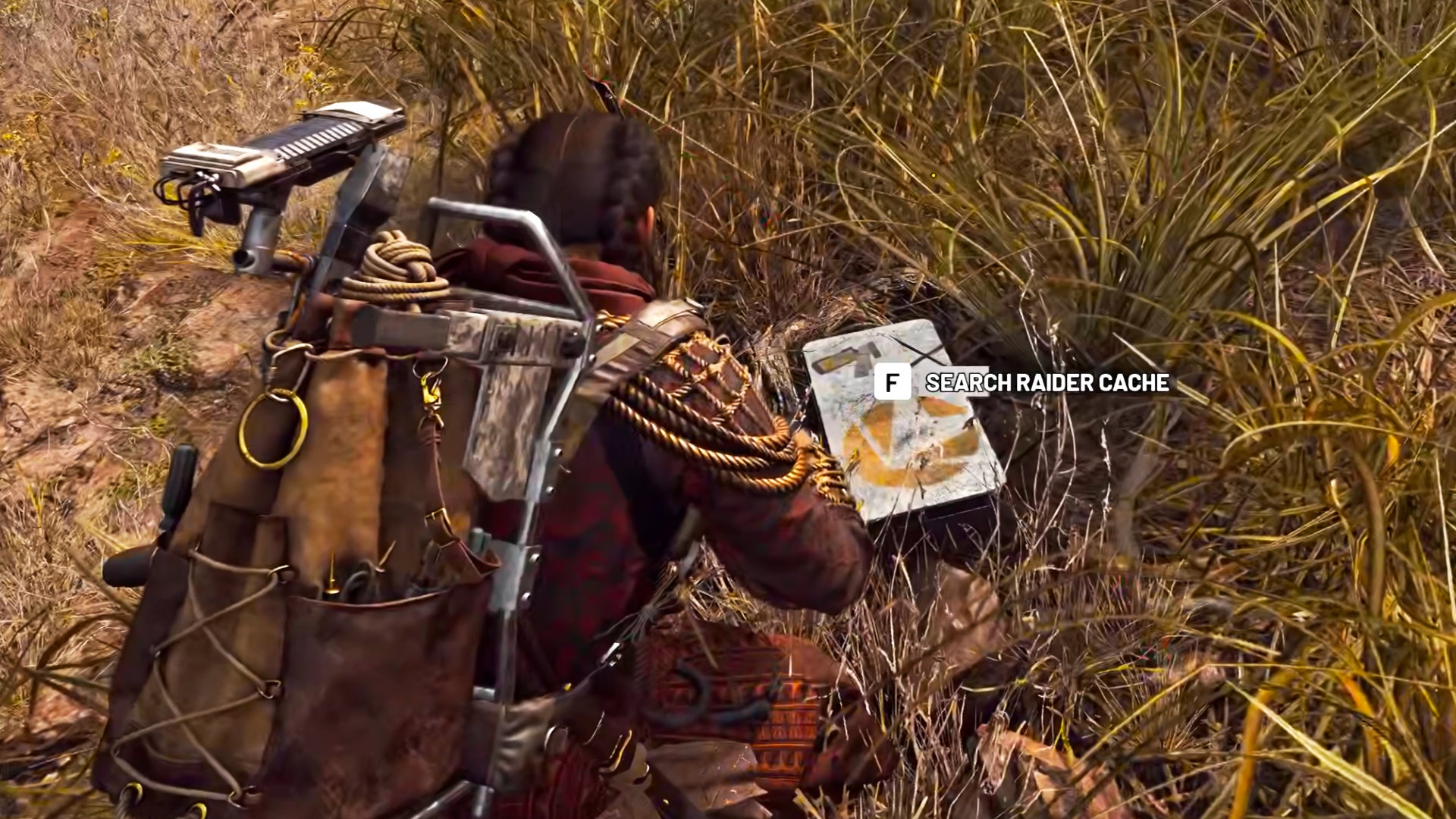
Raider Caches, Weapon Boxes, and other raider-oriented container types have a good chance of offering Blueprints. |Image credit:Rock Paper Shotgun/Embark Studios
Blueprints have a very low chance of spawning in any container in Arc Raiders, around 1-2% on average. However, there is a higher chance of finding Blueprints in particular container types. Specifically, you can find more Blueprints in Raider containers and security lockers.
Beyond this, if you’re looking for Blueprints you should focus on regions of the map which are marked as having particularly high-value loot. Areas such as the Control Tower in Dam Battlegrounds, the Arrival and Departure Buildings in Spaceport, and Pilgrim’s Peak in Blue Gate all have a better-than-average chance of spawning Blueprints somewhere amongst all their containers. Night Raids and Electromagnetic Storm events also increase the drop chances of certain Blueprints .
In addition to these containers, you can often loot Blueprints from destroyed Surveyors - the largest of the rolling ball ARC. Surveyors are more commonly found on the later maps - Spaceport and Blue Gate - and if one spawns in your match, you’ll likely see it by the blue laser beam that it casts into the sky while “surveying”.
Surveyors are quite well-armoured and will very speedily run away from you once it notices you, but if you can take one down then make sure you loot all its parts for a chance of obtaining certain unusual Blueprints.
Blueprints obtained from quests
One way in which you can get Blueprints is by completing certain quests for the vendors in Speranza. Some quests will reward you with a specific item Blueprint upon completion, so as long as you work through all the quests in Arc Raiders, you are guaranteed those Blueprints.
Here is the full list of all Blueprints you can get from quest rewards:
- Trigger Nade Blueprint: Rewarded after completing “Sparks Fly”.
- Lure Grenade Blueprint: Rewarded after completing “Greasing Her Palms”.
- Burletta Blueprint: Rewarded after completing “Industrial Espionage”.
- Hullcracker Blueprint (and Launcher Ammo Blueprint): Rewarded after completing “The Major’s Footlocker”.
Alas, that’s only 4 Blueprints out of a total of 75 to unlock, so for the vast majority you will need to find them yourself during a raid. If you’re intent on farming Blueprints, then it’s best to equip yourself with cheap gear in case you lose it, but don’t use a free loadout because then you won’t get a safe pocket to stash any new Blueprint you find. No pain in Arc Raiders is sharper than failing to extract with a new Blueprint you’ve been after for a dozen hours already.
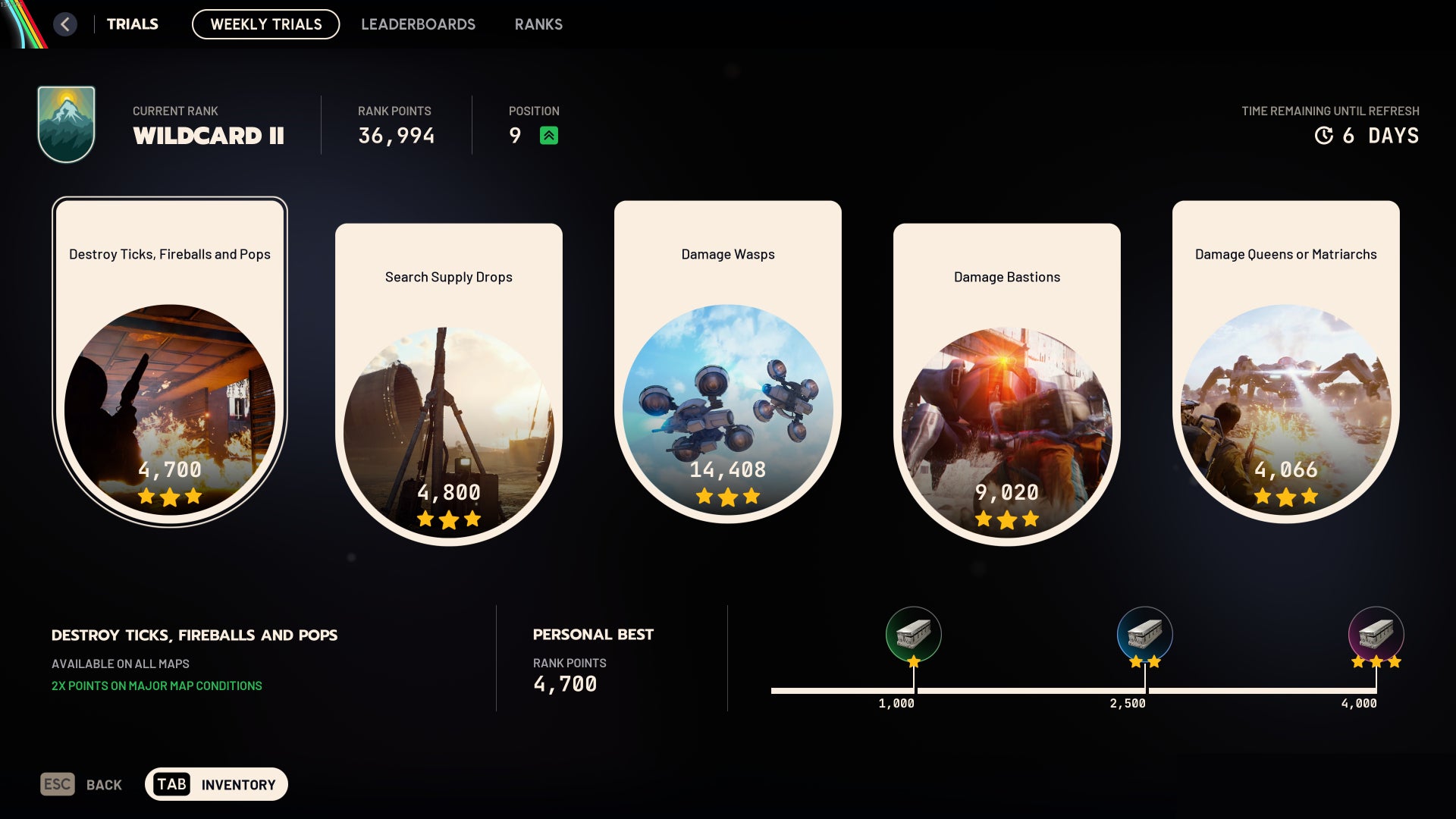
One of the best ways to get Blueprints is by hitting three stars on all five Trials every week. |Image credit:Rock Paper Shotgun/Embark Studios
Blueprints obtained from Trials
One of the very best ways to get Blueprints is as rewards for completing Trials in Arc Raiders. Trials are unlocked from Level 15 onwards, and allow you to earn rewards by focusing on certain tasks over the course of several raids. For example, one Trial might task you with dealing damage to Hornets, while another might challenge you to loot Supply Drops.
Trials refresh on a weekly basis, with a new week bringing five new Trials. Each Trial can offer up to three rewards after passing certain score milestones, and it’s possible to receive very high level loot from these reward crates - including Blueprints. So if you want to unlock as many Blueprints as possible, you should make a point of completing as many Trials as possible each week.
Best Blueprint farming locations
The very best way to get Blueprints is to frequent specific areas of the maps which combine high-tier loot pools with the right types of containers to search. Here are my recommendations for where to find Blueprints on every map, so you can always keep the search going for new crafting recipes to unlock.
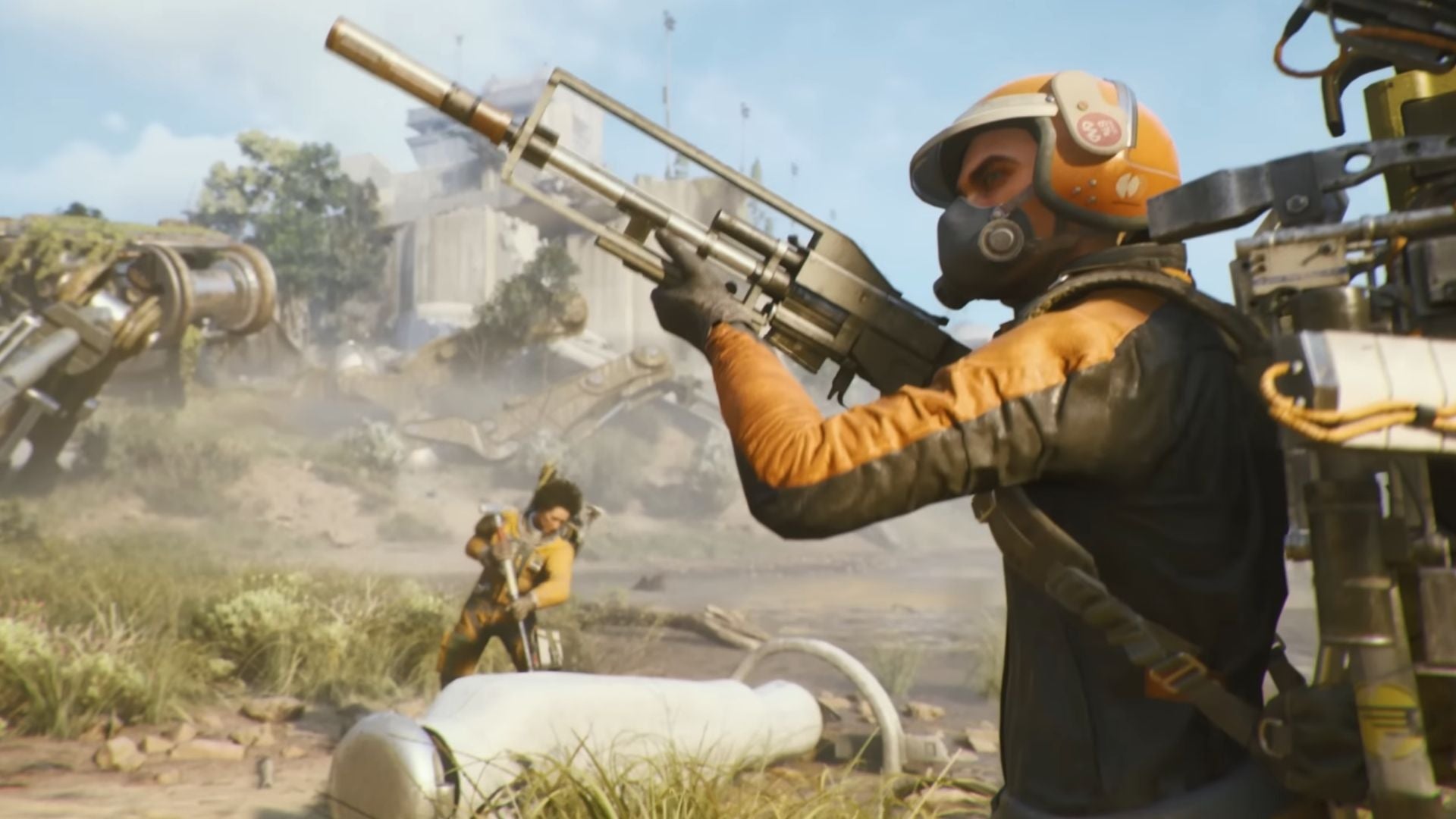
Image credit:Rock Paper Shotgun/Embark Studios
Dam Battlegrounds
The best places to farm Blueprints on Dam Battlegrounds are the Control Tower, Power Generation Complex, Ruby Residence, and Pale Apartments . The first two regions, despite only being marked on the map as mid-tier loot, contain a phenomenal number of containers to loot. The Control Tower can also contain a couple of high-tier Security Lockers - though of course, you’ll need to have unlocked the Security Breach skill at the end of the Survival tree.
There’s also a lot of reporting amongst the playerbase that the Residential areas in the top-left of the map - Pale Apartments and Ruby Residence - give you a comparatively strong chance of finding Blueprints. Considering their size, there’s a high density of containers to loot in both locations, and they also have the benefit of being fairly out of the way. So you’re more likely to have all the containers to yourself.
Buried City
The best Blueprint farming locations on Buried City are the Santa Maria Houses, Grandioso Apartments, Town Hall, and the various buildings of the New District . Grandioso Apartments has a lower number of containers than the rest, but a high chance of spawning weapon cases - which have good Blueprint drop rates. The others are high-tier loot areas, with plenty of lootable containers - including Security Lockers.
Spaceport
The best places to find Blueprints on Spaceport are the Arrival and Departure Buildings, as well as Control Tower A6 and the Launch Towers . All these areas are labelled as high-value loot regions, and many of them are also very handily connected to one another by the Spaceport wall, which you can use to quickly run from one area to the next. At the tops of most of these buildings you’ll find at least one Security Locker, so this is an excellent farming route for players looking to find Blueprints.
The downside to looting Blueprints on Spaceport is that all these areas are hotly contested, particularly in Duos and Squads. You’ll need to be very focused and fast in order to complete the full farming route.
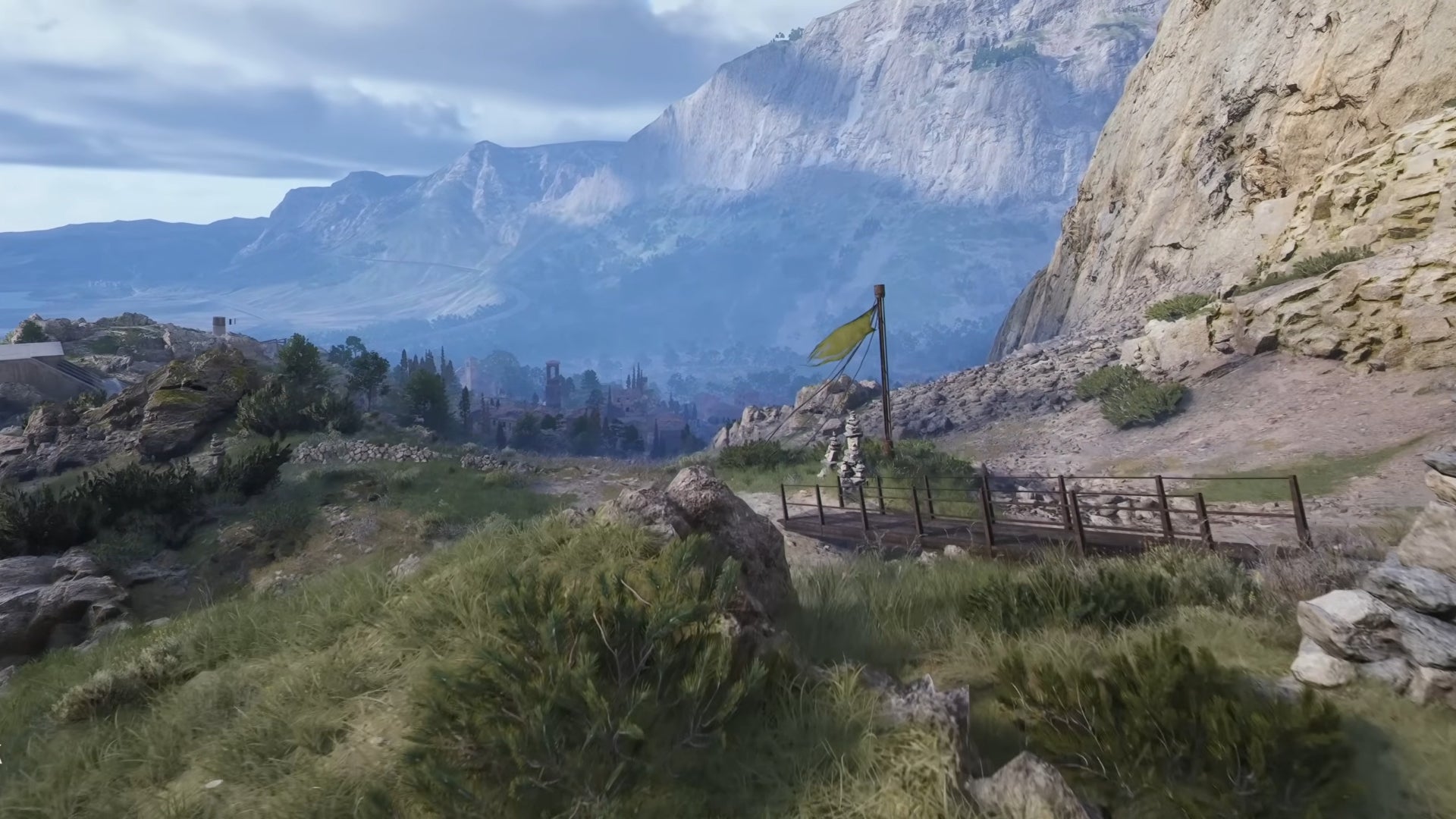
Image credit:Rock Paper Shotgun/Embark Studios
Blue Gate
Blue Gate tends to have a good chance of dropping Blueprints, potentially because it generally has a high number of containers which can hold lots of items; so there’s a higher chance of a Blueprint spawning in each container. In my experience, the best Blueprint farming spots on Blue Gate are Pilgrim’s Peak, Raider’s Refuge, the Ancient Fort, and the Underground Complex beneath the Warehouse .
All of these areas contain a wealth of containers to loot. Raider’s Refuge has less to loot, but the majority of the containers in and around the Refuge are raider containers, which have a high chance of containing Blueprints - particularly during major events.
Stella Montis
On the whole, Stella Montis seems to have a very low drop rate for Blueprints (though a high chance of dropping other high-tier loot). If you do want to try farming Blueprints on this map, the best places to find Blueprints in Stella Montis are Medical Research, Assembly Workshop, and the Business Center . These areas have the highest density of containers to loot on the map.
In addition to this, the Western Tunnel has a few different Security Lockers to loot, so while there’s very little to loot elsewhere in this area of the map, it’s worth hitting those Security Lockers if you spawn there at the start of a match.
That wraps up this primer on how to get all the Blueprints in Arc Raiders as quickly as possible. With the Expedition system constantly resetting a large number of players’ Blueprints, it’s more important than ever to have the most up-to-date information on where to find all these Blueprints.
While you’re here, be sure to check out our Arc Raiders best guns tier list , as well as our primers on the best skills to unlock and all the different Field Depot locations on every map.
ARC Raiders
PS5 , Xbox Series X/S , PC
Rock Paper Shotgun is better when you sign in
Sign in and join us on our journey to discover strange and compelling PC games.
