Why did Digital Eclipse make Llamasoft: The Jeff Minter Story? It’s a tale of centipedes, psychedelia, and tea
Editorial director Chris Kohler explains why they decided to preserve the work of the legendary British solo dev

Image credit:Digital Eclipse

Who is Jeff Minter? Unless you’re a long-term fan of his work, you might have asked that upon hearing about Llamasoft: The Jeff Minter Story , the latest interactive documentary from Digital Eclipse (following on from The Making Of Karateka and Atari 50: The Anniversary Celebration ). You might have heard Minter’s name in connection with the remake of the unreleased Atari arcade game Akka Arrh in 2023. Maybe you played his mind-warping shooter Polybius in VR. You might remember as far back as the Atari Jaguar and Minter’s phenomenal Tempest 2000, the unexpected highlight of the console’s library. Or perhaps you recall his work from the 8-bit glory days. You could just know him from the daily videos of him feeding his sheep on YouTube .
The point is that Jeff Minter has been making games for a phenomenally long time – more than 40 years, in fact. And in all that time, he has stayed true to what he believes in. “One of the things we say in the game itself is the idea of him being the last indie developer,” says Chris Kohler, editorial director at Digital Eclipse in California. “The last of the people from the early 80s who very consciously never sold out, never took the money, never looked to expand or do anything other than [be] just Jeff at his computer, making the sorts of video games that he wants to make.”
“There’s very few stories like that, there’s very few people like that, who have been doing that for 40 years,” he continues. “I’m struggling to think of another one. There are people who are still in games, but they progress up the managerial ladder, or they open up a studio, or they end up doing something else. Just to have somebody that started in 1980 just sitting there programming games, and who’s now still sitting in front of his computer programming games, it’s a very, very unique situation.”
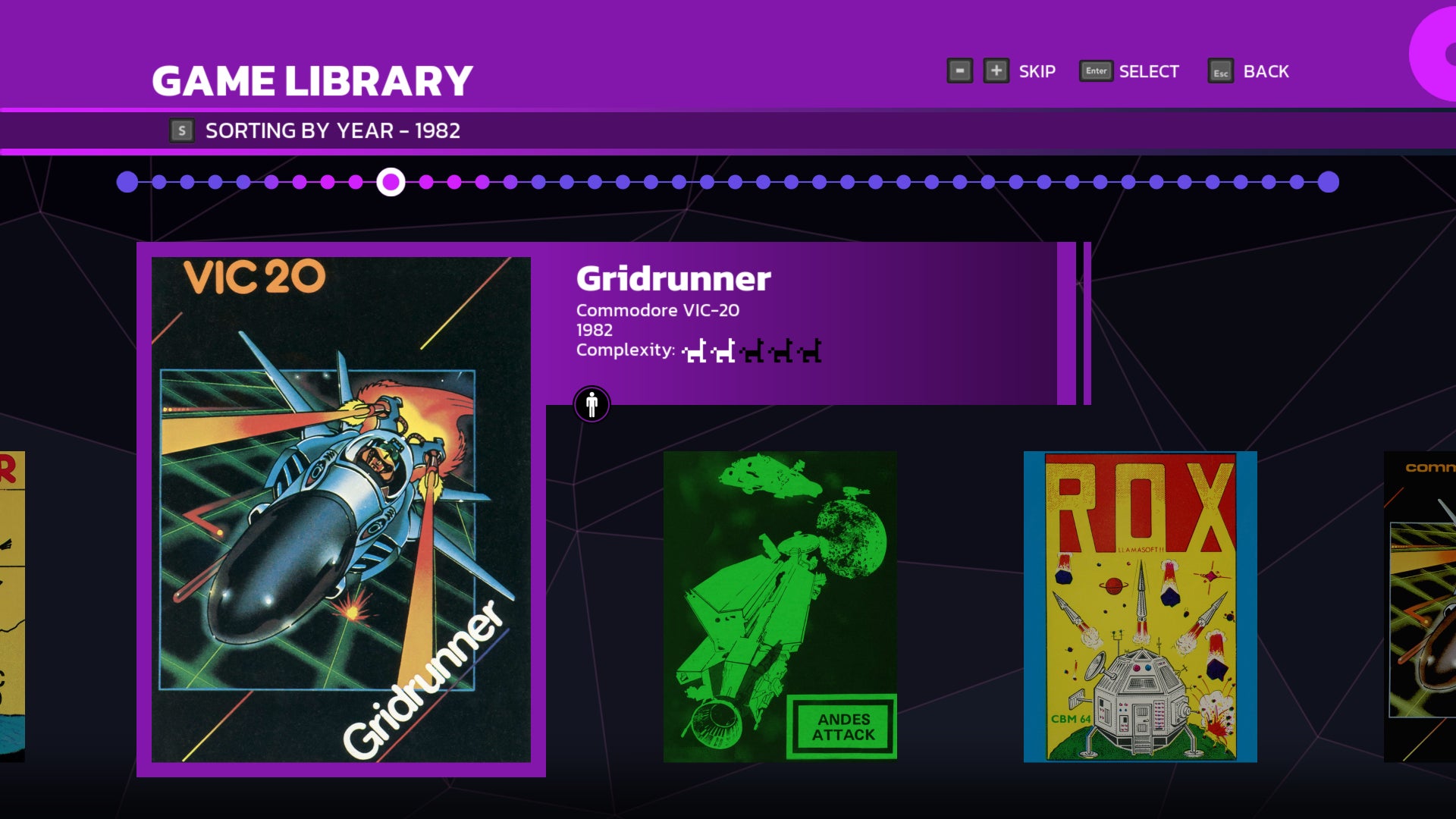
Image credit:Digital Eclipse
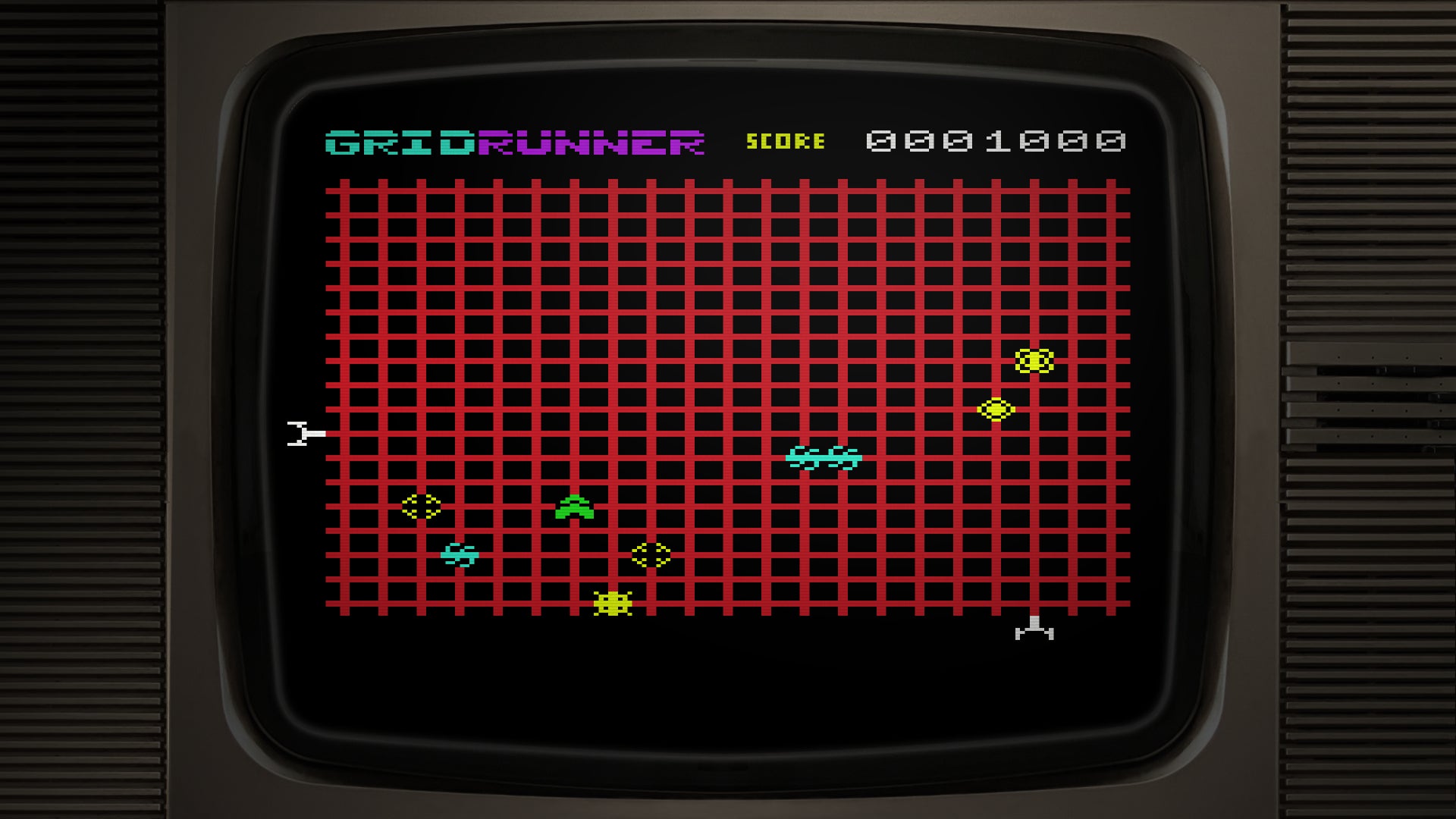
Image credit:Digital Eclipse
The first Jeff Minter joint I played was Llamatron: 2112, an early 90s tribute to Robotron: 2084. It reimagined the classic twin-stick shooter as an utterly wild ride that saw you blasting toilets and telephones while rescuing camels and wildebeest, soundtracked by a cacophony of bleating and weird electronic noises. It blew my teenage mind that you could make a video game so incredibly strange and so completely unlike absolutely everything else. Kohler’s introduction to the Minterverse came a few years later. “The first I really heard of him was when Tempest 2000 came out for the Atari Jaguar,” he says. “And everybody was like, ‘Oh, well, you know, Jeff Minter made it, he’s this sort of god of shooter games in Britain’. But there wasn’t a whole lot of opportunity for me to play a lot of those games, because a lot of them were simply distributed by Jeff himself, sometimes literally making copies of cassettes and mailing them out to people in the UK.”
It’s true. One of the earliest games in the collection is a clone of Atari’s Centipede for the ZX81, and once you’re told that Minter hadn’t actually played Centipede when he wrote it, it all makes so much more sense. By going solely on magazine screenshots, he missed the fact that your ship can move up and down as well as left and right. Yet he kept coming back to the gameplay of Centipede, and the collection lets you experience how Minter refined and expanded on it over the years. “You can see how he builds and builds and builds on that, and gets to the point where he’s remaking Gridrunner , which is really his version of Centipede, but just iterated and iterated and iterated,” says Kohler.
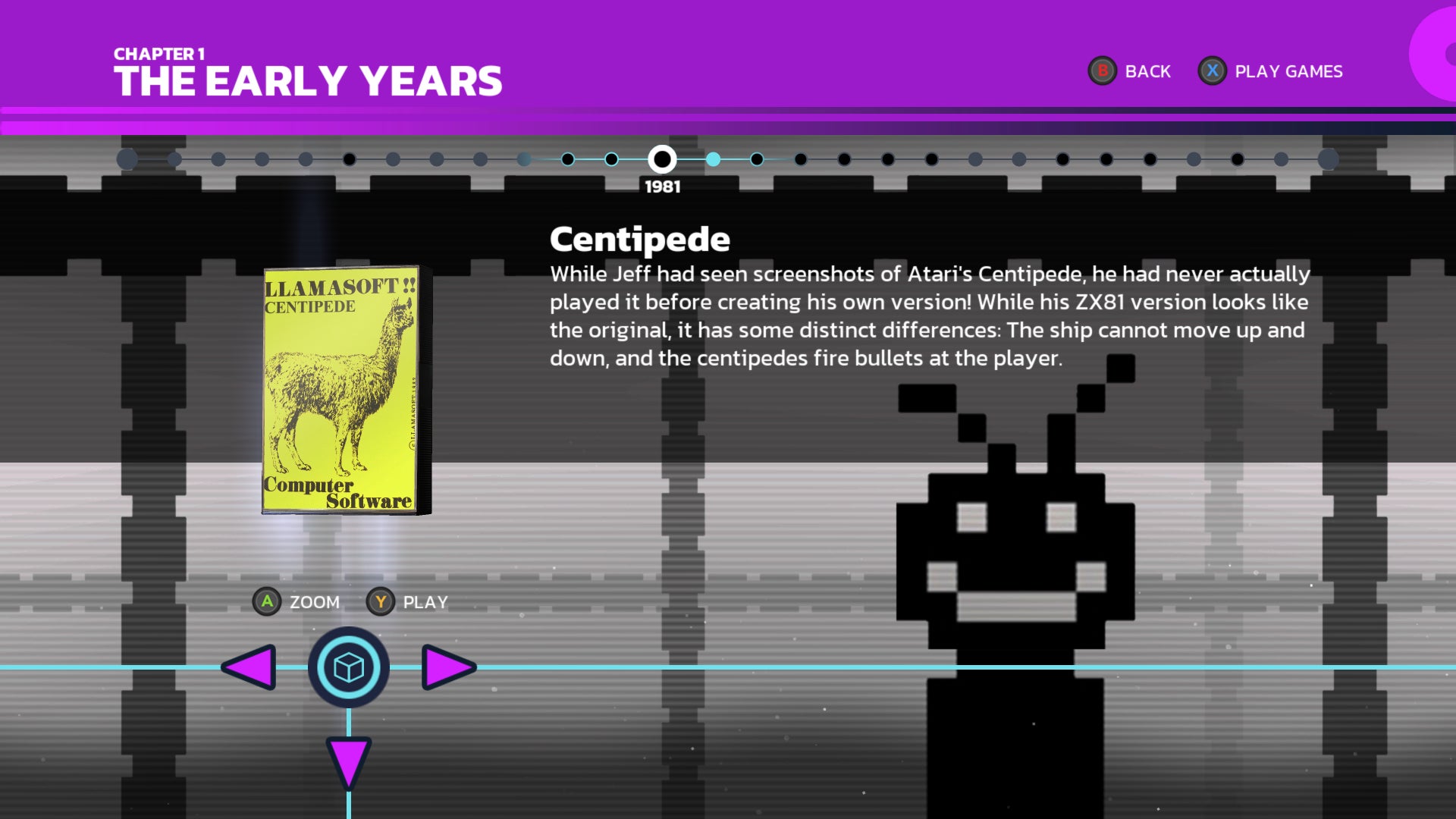
Image credit:Digital Eclipse
Gridrunner from 1982 is the first truly great game in Llamasoft: The Jeff Minter Story, although far from the last. Titles like Attack Of The Mutant Camels and Ancipital were wildly inventive, with each release invariably featuring llamas, camels or various other ‘beasties’ in some shape or form. You always knew when you were playing a Jeff Minter game. The mid-80s also saw the release of Psychedelia for the Commodore Vic-20, the first in a long line of ‘light synthesisers’. Minter explains in a video that he would often envisage abstract moving shapes in his head, and these light synthesisers were a way of representing that, featuring trippy patterns that could be manipulated in time to music. Minter would later go on to create light synthesisers for systems like the Jaguar and Xbox 360.
The missteps are arguably just as interesting as the triumphs, however, and the in-depth discussion of Mama Llama in particular is fascinating. It’s a vibrant, experimental game that sees the player defending a family of llamas from attack, and it divided critics at the time. There’s a candid interview where former Zzap!64 journalist Gary Penn defends his withering review - a review that Minter seems miffed about to this very day.
Minter also seemed to have an almost unerring knack for backing the wrong horse. In the late 1980s, he invested in an expensive development kit for the Konix Multisystem, a British console that could be configured with a steering wheel, flight yoke and motorbike handles. “This was going to be the UK’s home team advantage, as it were, for a gaming machine,” says Kohler. “Japan had Nintendo, America had Atari, and if you were British video game developer, this was going to be the one that was right in your backyard.” Minter was developing Attack Of The Mutant Camels ’89 for the Konix Multisystem when the console hit the buffers, and neither the game nor the machine saw the light of day. But thanks to a group of dedicated fans who were able to put together a Multisystem emulator with the help of the game’s source code, Attack Of The Mutant Camels ’89 is now playable as part of this Digital Eclipse collection.
“He went from the Konix Multisystem and then he said, ‘OK, all right, well, that was a big failure, so I’m gonna make games for the Atari Panther,” says Kohler of Minter’s ill-fated journey. “And then after that, it was, ‘OK, I’ll do the Atari Jaguar’, and then the Nuon, and then the GameCube, and he always seems to have this uncanny ability to just go right for the underdog. But ultimately that’s Jeff, and that’s that independent streak, where he’s not just gonna follow the crowd.”
The Konix Multisystem debacle represents the start of the Act 2 of Minter’s life, the point where, after years of widespread acclaim in Act 1, things start to fall apart, and it became increasingly hard for Llamasoft to remain independent. “In the 90s, he was fighting against the increasing commercialization of the video game industry,” says Kohler. “In 1981, he was on a level playing field, because practically everybody was just copying games to cassette tapes, and you can get distribution into retail channels that way. But around that time of Llamatron, he found that the doors were now closed to him in many ways. The cost of entry, the cost just to play in the video games industry had skyrocketed, and as that realisation came to him, he had to figure out, ‘How am I going to compete?’ So he decided to try shareware and see what happens, and the Llamasoft fans come in and they bail him out. They sent him the five pounds he was asking for, and some sent him even more than that.”
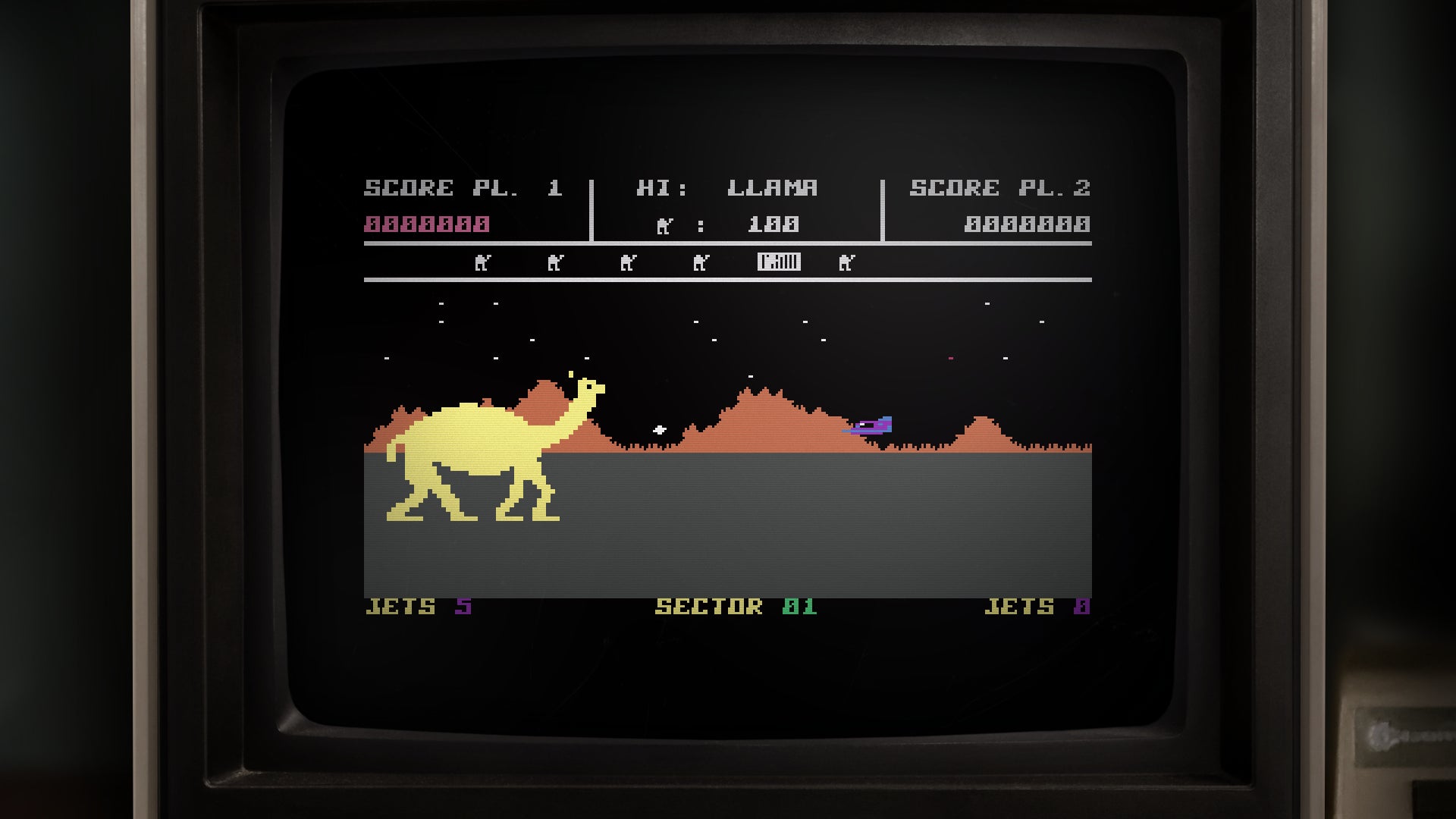
Image credit:Digital Eclipse
This sets up the triumphant Act 3, where Minter receives widespread acclaim for his reimagining of the Atari coin-op Tempest for the Jaguar. “The endpoint of our story represents everything that Jeff was doing all kind of coming together,” explains Kohler, “like his love for Atari, his love for arcade games and shooting games, and also his love for that sort of visual denseness, richness and complexity, his love for musical visualisers. Because that’s kind of what Tempest 2000 feels like: it’s a marriage of shooting gameplay and trippy psychedelic music visualiser.”
Kohler says that Digital Eclipse decided to stop at 1994’s Tempest 2000 partly because it felt like a good resolution to the story, but there were also some practical concerns with including Minter’s later games, such as Space Giraffe on the Xbox 360. “We wouldn’t have been able to emulate them or integrate them into our engine, basically,” he says. “Tempest 2000 is not quite totally topping out the capabilities of what we can do in the Eclipse Engine, but it’s getting there.”
Nevertheless, a timeline is included that includes every title for reference. “We do have the complete list of everything that Llamasoft released, even licenced stuff that we couldn’t include,” says Kohler, “So you can quickly go down and look at screenshots of everything, including the impossible-to-play-now iOS games that he that he did.”
But despite Minter’s influence, it’s still hard to see how a documentary of his work ended up being made by a Californian studio. Jeff Minter may be a lauded figure in the British development scene, but he’s much less well known in the US. The explanation is partly that Digital Eclipse president Mike Mika is a fan. “When he was getting into the games industry in the 90s when he was a teenager, one of the first people that he met was Jeff Minter,” says Kohler. “And he loved Jeff’s work, and Jeff was very helpful to him as he was getting into the games industry.” In addition, Digital Eclipse had previously operated as a work-for-hire company, producing titles like The Disney Afternoon Collection, but Kohler explains that a couple of years ago the company received funding to create its own titles internally, which has meant they’ve been able to pursue projects like The Making of Karateka and now Llamasoft: The Jeff Minter Story.
Kohler says that his distance from Minter’s homeland was an advantage in some ways when he was putting this collection together. “It’s probably easier, because I was approaching it from that perspective of an outsider, somebody who didn’t live through it,” he says. “Because I think when you live through it, and you’re surrounded by it all the time, you have inbuilt narratives that you’ve already told yourself about what happened in those days, and it can be difficult to break yourself off that.” Instead, Kohler went back to the source material, reading magazines like The Games Machine and Zzap!64, and he approached curation with the mindset that many people, especially outside the UK, might not be familiar with Minter’s career or even the landscape of the UK game scene in the 1980s, where the infamous 1983 crash never happened. “We’re going to people and saying, hey, you’ve never heard this story before, you’ve never played these games before. Let’s walk into another world, an alternate timeline almost, of a videogame history that you didn’t experience.”

Image credit:Digital Eclipse
Still, Kohler’s outsider perspective did result in one hiccup during development. “We sent Jeff the first build where he could really look at the timelines,” recalls Kohler. “I was prepared for him tocome back with ‘this is wrong, that’s wrong, that’s out of order, I don’t think this’, with all kinds of things. And I literally got one substantive comment from Jeff, one comment from him that was something that was wrong and needed to be fixed. And it was I had taken a public domain image of a cup of tea. And he has like, ‘This tea is absolutely wrong. The tea bag is still sitting in the tea, which we would never do in Britain, and there’s no milk in this tea. It is completely un-British’.”
Tea and C64. It sums up Jeff Minter quite nicely, I think, someone who is emblematic of an explosion of creativity in the British coding scene, partly enabled by the UK market eschewing consoles in favour of computers. “In that eight-bit era, where the primary game playing systems are also game development systems, it supports the bedroom coder in a way that the Japanese and US markets at that point simply did not, because essentially they were playing on closed platforms,” says Kohler. Jeff Minter emerged from that era, but somehow he managed to carry on after his fellow bedroom coders had been absorbed into companies or left the industry entirely. He has stayed true to his love of psychedelic visuals, frantically paced shooters and farmyard animals, yet has also moved with the times, embracing new technology like VR. His plucky business run from a farmhouse in Wales has faced challenges along the way, but somehow Llamasoft has survived, and if anything has gone from strength to strength.
Who is Jeff Minter? He’s a legend.

Llamasoft: The Jeff Minter Story
PC
Rock Paper Shotgun is better when you sign in
Sign in and join us on our journey to discover strange and compelling PC games.

All 75 Arc Raiders Blueprints and where to get them
These areas have the highest chance of giving you Blueprints
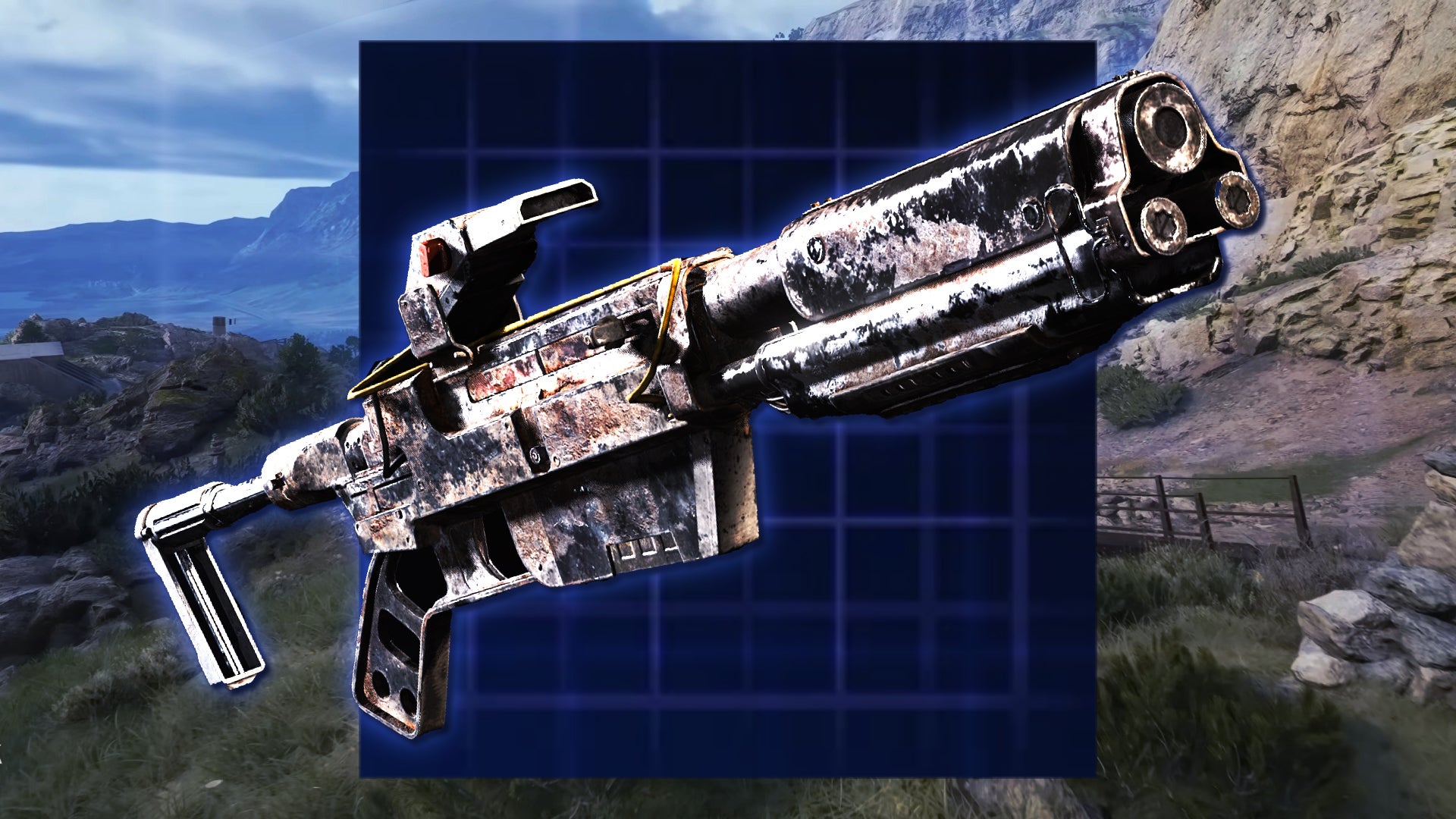
Image credit:Rock Paper Shotgun/Embark Studios

Looking for more Arc Raiders Blueprints? It’s a special day when you find a Blueprint, as they’re among the most valuable items in Arc Raiders. If you find a Blueprint that you haven’t already found, then you must make sure you hold onto it at all costs, because Blueprints are the key to one of the most important and powerful systems of meta-progression in the game.
This guide aims to be the very best guide on Blueprints you can find, starting with a primer on what exactly they are and how they work in Arc Raiders, before delving into exactly where to get Blueprints and the very best farming spots for you to take in your search.
We’ll also go over how to get Blueprints from other unlikely activities, such as destroying Surveyors and completing specific quests. And you’ll also find the full list of all 75 Blueprints in Arc Raiders on this page (including the newest Blueprints added with the Cold Snap update , such as the Deadline Blueprint and Firework Box Blueprint), giving you all the information you need to expand your own crafting repertoire.
In this guide:
- What are Blueprints in Arc Raiders?
- Full Blueprint list: All crafting recipes
- Where to find Blueprints in Arc Raiders Blueprints obtained from quests Blueprints obtained from Trials Best Blueprint farming locations

What are Blueprints in Arc Raiders?
Blueprints in Arc Raiders are special items which, if you manage to extract with them, you can expend to permanently unlock a new crafting recipe in your Workshop. If you manage to extract from a raid with an Anvil Blueprint, for example, you can unlock the ability to craft your very own Anvil Pistol, as many times as you like (as long as you have the crafting materials).
To use a Blueprint, simply open your Inventory while in the lobby, then right-click on the Blueprint and click “Learn And Consume” . This will permanently unlock the recipe for that item in your Workshop. As of the Stella Montis update, there are allegedly 75 different Blueprints to unlock - although only 68 are confirmed to be in the game so far. You can see all the Blueprints you’ve found and unlocked by going to the Workshop menu, and hitting “R” to bring up the Blueprint screen.
It’s possible to find duplicates of past Blueprints you’ve already unlocked. If you find these, then you can either sell them, or - if you like to play with friends - you can take it into a match and gift it to your friend so they can unlock that recipe for themselves. Another option is to keep hold of them until the time comes to donate them to the Expedition.
Full Blueprint list: All crafting recipes
Below is the full list of all the Blueprints that are currently available to find in Arc Raiders, and the crafting recipe required for each item:
| Blueprint | Type | Recipe | Crafted At |
|---|---|---|---|
| Bettina | Weapon | 3x Advanced Mechanical Components 3x Heavy Gun Parts 3x Canister | Gunsmith 3 |
| Blue Light Stick | Quick Use | 3x Chemicals | Utility Station 1 |
| Aphelion | Weapon | 3x Magnetic Accelerator 3x Complex Gun Parts 1x Matriarch Reactor | Gunsmith 3 |
| Combat Mk. 3 (Flanking) | Augment | 2x Advanced Electrical Components 3x Processor | Gear Bench 3 |
| Combat Mk. 3 (Aggressive) | Augment | 2x Advanced Electrical Components 3x Processor | Gear Bench 3 |
| Complex Gun Parts | Material | 2x Light Gun Parts 2x Medium Gun Parts 2x Heavy Gun Parts | Refiner 3 |
| Fireworks Box | Quick Use | 1x Explosive Compound 3x Pop Trigger | Explosives Station 2 |
| Gas Mine | Mine | 4x Chemicals 2x Rubber Parts | Explosives Station 1 |
| Green Light Stick | Quick Use | 3x Chemicals | Utility Station 1 |
| Pulse Mine | Mine | 1x Crude Explosives 1x Wires | Explosives Station 1 |
| Seeker Grenade | Grenade | 1x Crude Explosives 2x ARC Alloy | Explosives Station 1 |
| Looting Mk. 3 (Survivor) | Augment | 2x Advanced Electrical Components 3x Processor | Gear Bench 3 |
| Angled Grip II | Mod | 2x Mechanical Components 3x Duct Tape | Gunsmith 2 |
| Angled Grip III | Mod | 2x Mod Components 5x Duct Tape | Gunsmith 3 |
| Hullcracker | Weapon | 1x Magnetic Accelerator 3x Heavy Gun Parts 1x Exodus Modules | Gunsmith 3 |
| Launcher Ammo | Ammo | 5x Metal Parts 1x Crude Explosives | Workbench 1 |
| Anvil | Weapon | 5x Mechanical Components 5x Simple Gun Parts | Gunsmith 2 |
| Anvil Splitter | Mod | 2x Mod Components 3x Processor | Gunsmith 3 |
| ??? | ??? | ??? | ??? |
| Barricade Kit | Quick Use | 1x Mechanical Components | Utility Station 2 |
| Blaze Grenade | Grenade | 1x Explosive Compound 2x Oil | Explosives Station 3 |
| Bobcat | Weapon | 3x Advanced Mechanical Components 3x Light Gun Parts | Gunsmith 3 |
| Osprey | Weapon | 2x Advanced Mechanical Components 3x Medium Gun Parts 7x Wires | Gunsmith 3 |
| Burletta | Weapon | 3x Mechanical Components 3x Simple Gun Parts | Gunsmith 1 |
| Compensator II | Mod | 2x Mechanical Components 4x Wires | Gunsmith 2 |
| Compensator III | Mod | 2x Mod Components 8x Wires | Gunsmith 3 |
| Defibrillator | Quick Use | 9x Plastic Parts 1x Moss | Medical Lab 2 |
| ??? | ??? | ??? | ??? |
| Equalizer | Weapon | 3x Magnetic Accelerator 3x Complex Gun Parts 1x Queen Reactor | Gunsmith 3 |
| Extended Barrel | Mod | 2x Mod Components 8x Wires | Gunsmith 3 |
| Extended Light Mag II | Mod | 2x Mechanical Components 3x Steel Spring | Gunsmith 2 |
| Extended Light Mag III | Mod | 2x Mod Components 5x Steel Spring | Gunsmith 3 |
| Extended Medium Mag II | Mod | 2x Mechanical Components 3x Steel Spring | Gunsmith 2 |
| Extended Medium Mag III | Mod | 2x Mod Components 5x Steel Spring | Gunsmith 3 |
| Extended Shotgun Mag II | Mod | 2x Mechanical Components 3x Steel Spring | Gunsmith 2 |
| Extended Shotgun Mag III | Mod | 2x Mod Components 5x Steel Spring | Gunsmith 3 |
| Remote Raider Flare | Quick Use | 2x Chemicals 4x Rubber Parts | Utility Station 1 |
| Heavy Gun Parts | Material | 4x Simple Gun Parts | Refiner 2 |
| Venator | Weapon | 2x Advanced Mechanical Components 3x Medium Gun Parts 5x Magnet | Gunsmith 3 |
| Il Toro | Weapon | 5x Mechanical Components 6x Simple Gun Parts | Gunsmith 1 |
| Jolt Mine | Mine | 1x Electrical Components 1x Battery | Explosives Station 2 |
| Explosive Mine | Mine | 1x Explosive Compound 1x Sensors | Explosives Station 3 |
| Jupiter | Weapon | 3x Magnetic Accelerator 3x Complex Gun Parts 1x Queen Reactor | Gunsmith 3 |
| Light Gun Parts | Material | 4x Simple Gun Parts | Refiner 2 |
| Lightweight Stock | Mod | 2x Mod Components 5x Duct Tape | Gunsmith 3 |
| Lure Grenade | Grenade | 1x Speaker Component 1x Electrical Components | Utility Station 2 |
| Medium Gun Parts | Material | 4x Simple Gun Parts | Refiner 2 |
| Torrente | Weapon | 2x Advanced Mechanical Components 3x Medium Gun Parts 6x Steel Spring | Gunsmith 3 |
| Muzzle Brake II | Mod | 2x Mechanical Components 4x Wires | Gunsmith 2 |
| Muzzle Brake III | Mod | 2x Mod Components 8x Wires | Gunsmith 3 |
| Padded Stock | Mod | 2x Mod Components 5x Duct Tape | Gunsmith 3 |
| Shotgun Choke II | Mod | 2x Mechanical Components 4x Wires | Gunsmith 2 |
| Shotgun Choke III | Mod | 2x Mod Components 8x Wires | Gunsmith 3 |
| Shotgun Silencer | Mod | 2x Mod Components 8x Wires | Gunsmith 3 |
| Showstopper | Grenade | 1x Advanced Electrical Components 1x Voltage Converter | Explosives Station 3 |
| Silencer I | Mod | 2x Mechanical Components 4x Wires | Gunsmith 2 |
| Silencer II | Mod | 2x Mod Components 8x Wires | Gunsmith 3 |
| Snap Hook | Quick Use | 2x Power Rod 3x Rope 1x Exodus Modules | Utility Station 3 |
| Stable Stock II | Mod | 2x Mechanical Components 3x Duct Tape | Gunsmith 2 |
| Stable Stock III | Mod | 2x Mod Components 5x Duct Tape | Gunsmith 3 |
| Tagging Grenade | Grenade | 1x Electrical Components 1x Sensors | Utility Station 3 |
| Tempest | Weapon | 3x Advanced Mechanical Components 3x Medium Gun Parts 3x Canister | Gunsmith 3 |
| Trigger Nade | Grenade | 2x Crude Explosives 1x Processor | Explosives Station 2 |
| Vertical Grip II | Mod | 2x Mechanical Components 3x Duct Tape | Gunsmith 2 |
| Vertical Grip III | Mod | 2x Mod Components 5x Duct Tape | Gunsmith 3 |
| Vita Shot | Quick Use | 2x Antiseptic 1x Syringe | Medical Lab 3 |
| Vita Spray | Quick Use | 3x Antiseptic 1x Canister | Medical Lab 3 |
| Vulcano | Weapon | 1x Magnetic Accelerator 3x Heavy Gun Parts 1x Exodus Modules | Gunsmith 3 |
| Wolfpack | Grenade | 2x Explosive Compound 2x Sensors | Explosives Station 3 |
| Red Light Stick | Quick Use | 3x Chemicals | Utility Station 1 |
| Smoke Grenade | Grenade | 14x Chemicals 1x Canister | Utility Station 2 |
| Deadline | Mine | 3x Explosive Compound 2x ARC Circuitry | Explosives Station 3 |
| Trailblazer | Grenade | 1x Explosive Compound 1x Synthesized Fuel | Explosives Station 3 |
| Tactical Mk. 3 (Defensive) | Augment | 2x Advanced Electrical Components 3x Processor | Gear Bench 3 |
| Tactical Mk. 3 (Healing) | Augment | 2x Advanced Electrical Components 3x Processor | Gear Bench 3 |
| Yellow Light Stick | Quick Use | 3x Chemicals | Utility Station 1 |
Note: The missing Blueprints in this list likely have not actually been added to the game at the time of writing, because none of the playerbase has managed to find any of them. As they are added to the game, I will update this page with the most relevant information so you know exactly how to get all 75 Arc Raiders Blueprints.
Where to find Blueprints in Arc Raiders
Below is a list of all containers, modifiers, and events which maximise your chances of finding Blueprints:
- Certain quests reward you with specific Blueprints .
- Completing Trials has a high chance of offering Blueprints as rewards.
- Surveyors have a decent chance of dropping Blueprints on death.
- High loot value areas tend to have a greater chance of spawning Blueprints.
- Night Raids and Storms may increase rare Blueprint spawn chances in containers.
- Containers with higher numbers of items may have a higher tendency to spawn Blueprints. As a result, Blue Gate (which has many “large” containers containing multiple items) may give you a higher chance of spawning Blueprints.
- Raider containers (Raider Caches, Weapon Boxes, Medical Bags, Grenade Tubes) have increased Blueprint drop rates. As a result, the Uncovered Caches event gives you a high chance of finding Blueprints.
- Security Lockers have a higher than average chance of containing Blueprints.
- Certain Blueprints only seem to spawn under specific circumstances: Tempest Blueprint only spawns during Night Raid events. Vulcano Blueprint only spawns during Hidden Bunker events. Jupiter and Equaliser Blueprints only spawn during Harvester events.
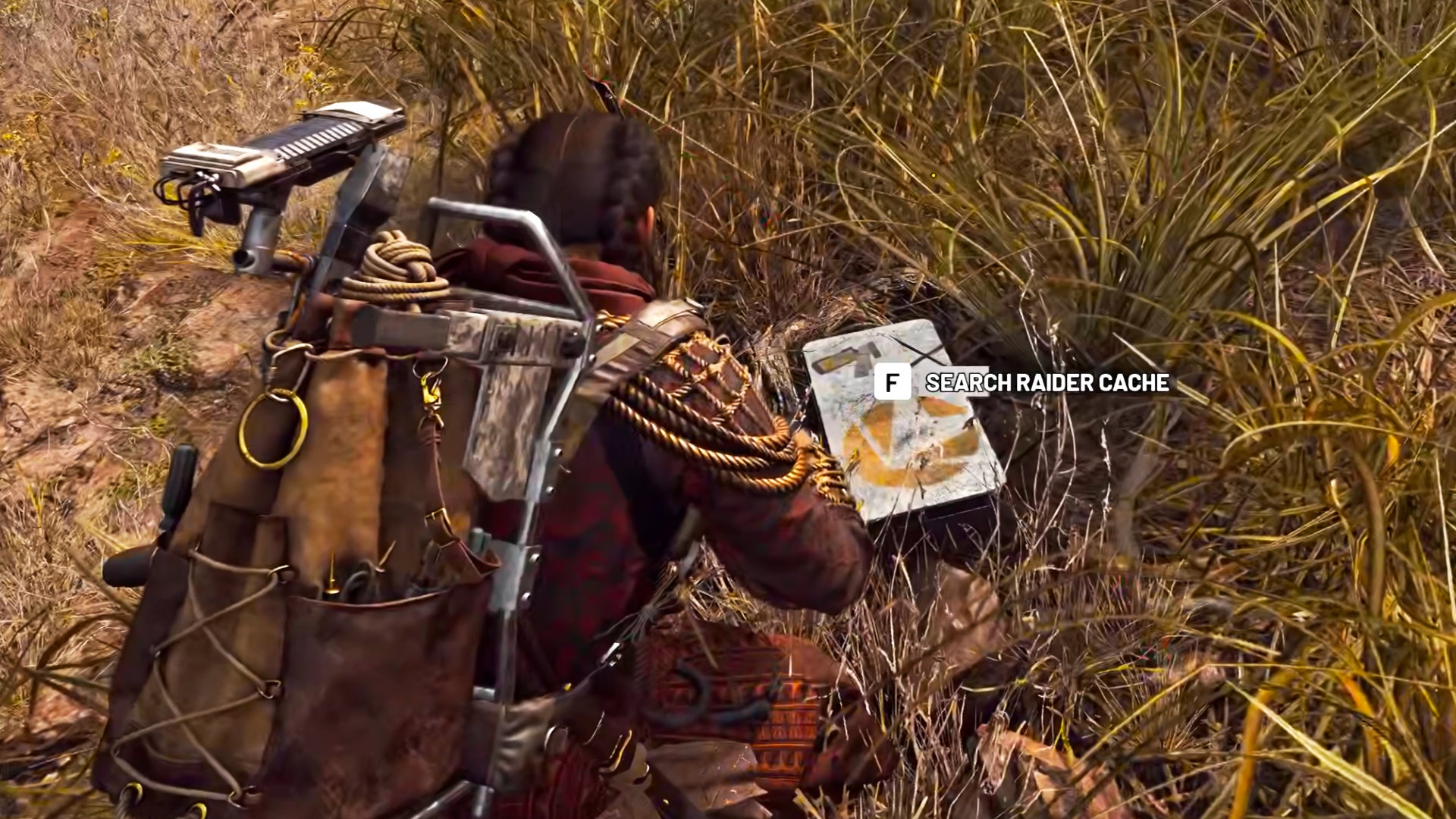
Raider Caches, Weapon Boxes, and other raider-oriented container types have a good chance of offering Blueprints. |Image credit:Rock Paper Shotgun/Embark Studios
Blueprints have a very low chance of spawning in any container in Arc Raiders, around 1-2% on average. However, there is a higher chance of finding Blueprints in particular container types. Specifically, you can find more Blueprints in Raider containers and security lockers.
Beyond this, if you’re looking for Blueprints you should focus on regions of the map which are marked as having particularly high-value loot. Areas such as the Control Tower in Dam Battlegrounds, the Arrival and Departure Buildings in Spaceport, and Pilgrim’s Peak in Blue Gate all have a better-than-average chance of spawning Blueprints somewhere amongst all their containers. Night Raids and Electromagnetic Storm events also increase the drop chances of certain Blueprints .
In addition to these containers, you can often loot Blueprints from destroyed Surveyors - the largest of the rolling ball ARC. Surveyors are more commonly found on the later maps - Spaceport and Blue Gate - and if one spawns in your match, you’ll likely see it by the blue laser beam that it casts into the sky while “surveying”.
Surveyors are quite well-armoured and will very speedily run away from you once it notices you, but if you can take one down then make sure you loot all its parts for a chance of obtaining certain unusual Blueprints.
Blueprints obtained from quests
One way in which you can get Blueprints is by completing certain quests for the vendors in Speranza. Some quests will reward you with a specific item Blueprint upon completion, so as long as you work through all the quests in Arc Raiders, you are guaranteed those Blueprints.
Here is the full list of all Blueprints you can get from quest rewards:
- Trigger Nade Blueprint: Rewarded after completing “Sparks Fly”.
- Lure Grenade Blueprint: Rewarded after completing “Greasing Her Palms”.
- Burletta Blueprint: Rewarded after completing “Industrial Espionage”.
- Hullcracker Blueprint (and Launcher Ammo Blueprint): Rewarded after completing “The Major’s Footlocker”.
Alas, that’s only 4 Blueprints out of a total of 75 to unlock, so for the vast majority you will need to find them yourself during a raid. If you’re intent on farming Blueprints, then it’s best to equip yourself with cheap gear in case you lose it, but don’t use a free loadout because then you won’t get a safe pocket to stash any new Blueprint you find. No pain in Arc Raiders is sharper than failing to extract with a new Blueprint you’ve been after for a dozen hours already.
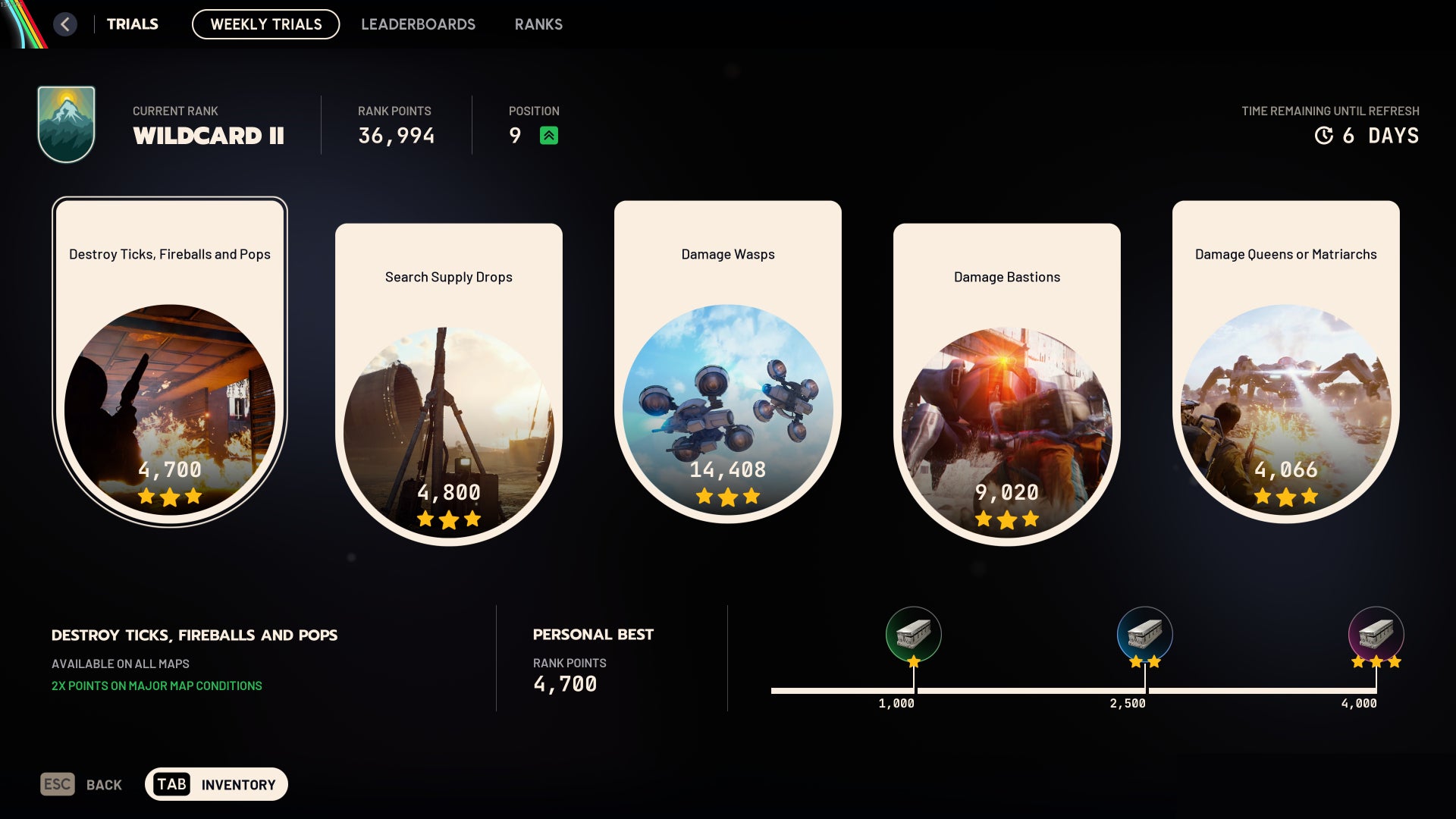
One of the best ways to get Blueprints is by hitting three stars on all five Trials every week. |Image credit:Rock Paper Shotgun/Embark Studios
Blueprints obtained from Trials
One of the very best ways to get Blueprints is as rewards for completing Trials in Arc Raiders. Trials are unlocked from Level 15 onwards, and allow you to earn rewards by focusing on certain tasks over the course of several raids. For example, one Trial might task you with dealing damage to Hornets, while another might challenge you to loot Supply Drops.
Trials refresh on a weekly basis, with a new week bringing five new Trials. Each Trial can offer up to three rewards after passing certain score milestones, and it’s possible to receive very high level loot from these reward crates - including Blueprints. So if you want to unlock as many Blueprints as possible, you should make a point of completing as many Trials as possible each week.
Best Blueprint farming locations
The very best way to get Blueprints is to frequent specific areas of the maps which combine high-tier loot pools with the right types of containers to search. Here are my recommendations for where to find Blueprints on every map, so you can always keep the search going for new crafting recipes to unlock.
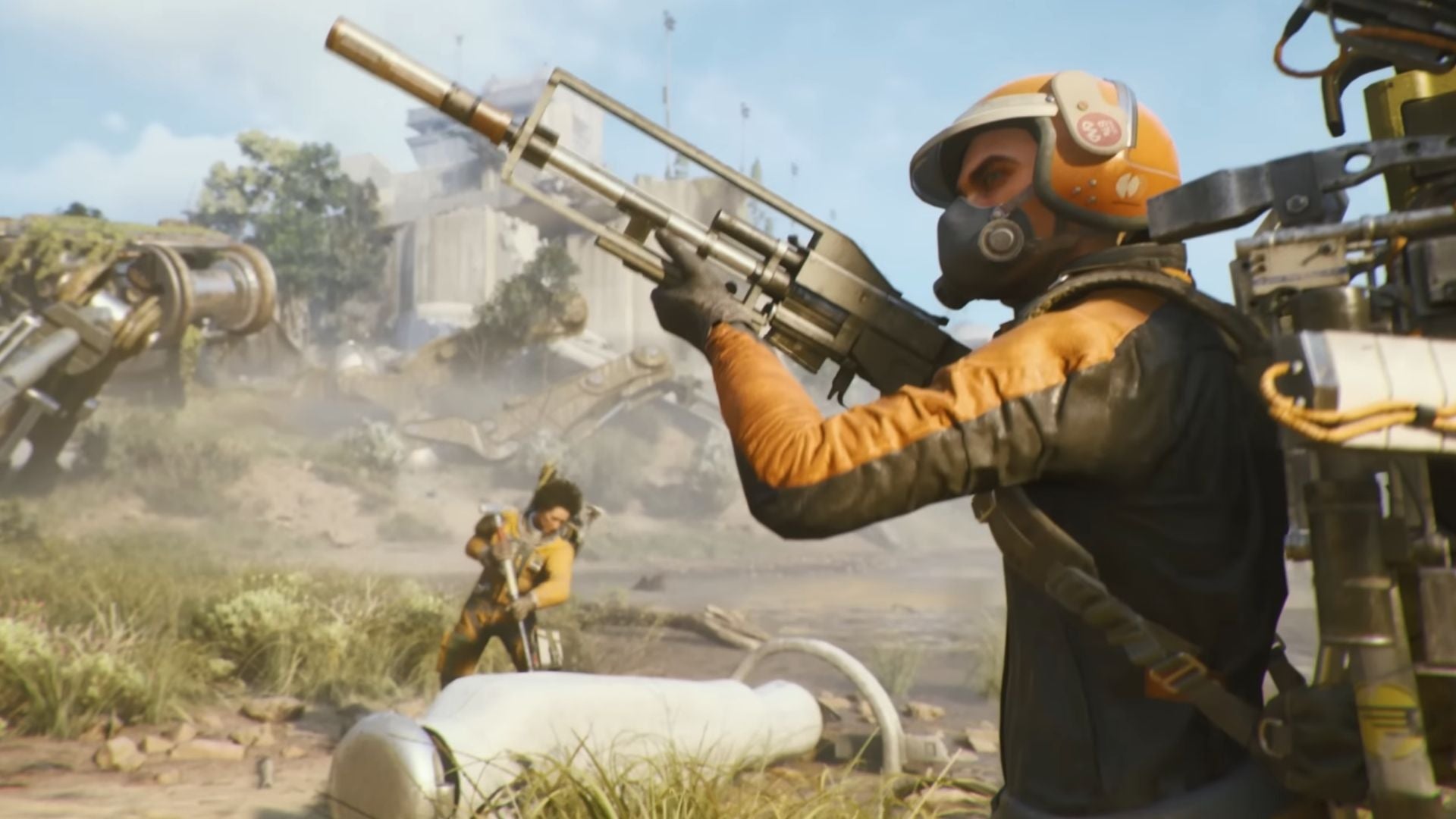
Image credit:Rock Paper Shotgun/Embark Studios
Dam Battlegrounds
The best places to farm Blueprints on Dam Battlegrounds are the Control Tower, Power Generation Complex, Ruby Residence, and Pale Apartments . The first two regions, despite only being marked on the map as mid-tier loot, contain a phenomenal number of containers to loot. The Control Tower can also contain a couple of high-tier Security Lockers - though of course, you’ll need to have unlocked the Security Breach skill at the end of the Survival tree.
There’s also a lot of reporting amongst the playerbase that the Residential areas in the top-left of the map - Pale Apartments and Ruby Residence - give you a comparatively strong chance of finding Blueprints. Considering their size, there’s a high density of containers to loot in both locations, and they also have the benefit of being fairly out of the way. So you’re more likely to have all the containers to yourself.
Buried City
The best Blueprint farming locations on Buried City are the Santa Maria Houses, Grandioso Apartments, Town Hall, and the various buildings of the New District . Grandioso Apartments has a lower number of containers than the rest, but a high chance of spawning weapon cases - which have good Blueprint drop rates. The others are high-tier loot areas, with plenty of lootable containers - including Security Lockers.
Spaceport
The best places to find Blueprints on Spaceport are the Arrival and Departure Buildings, as well as Control Tower A6 and the Launch Towers . All these areas are labelled as high-value loot regions, and many of them are also very handily connected to one another by the Spaceport wall, which you can use to quickly run from one area to the next. At the tops of most of these buildings you’ll find at least one Security Locker, so this is an excellent farming route for players looking to find Blueprints.
The downside to looting Blueprints on Spaceport is that all these areas are hotly contested, particularly in Duos and Squads. You’ll need to be very focused and fast in order to complete the full farming route.
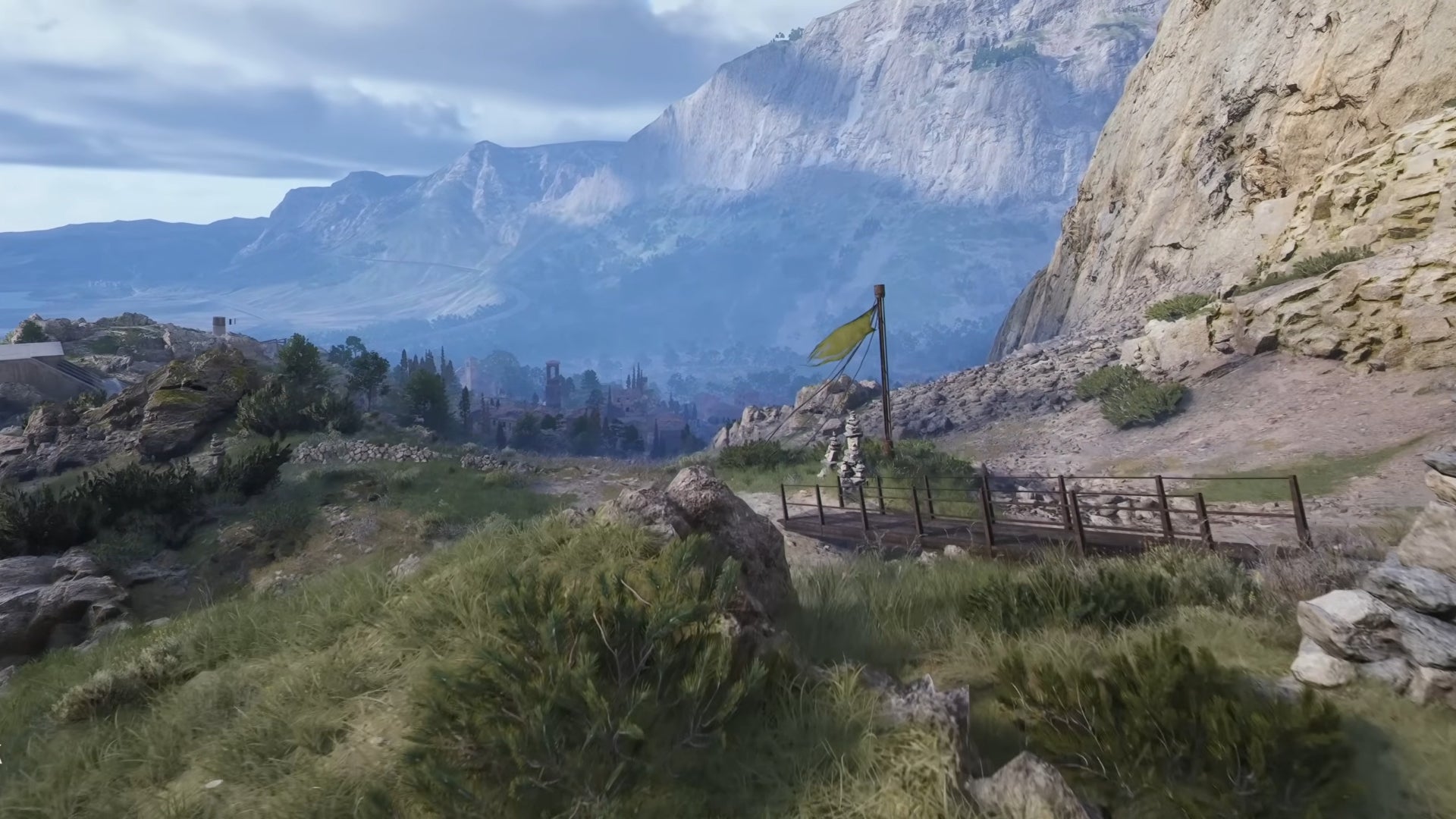
Image credit:Rock Paper Shotgun/Embark Studios
Blue Gate
Blue Gate tends to have a good chance of dropping Blueprints, potentially because it generally has a high number of containers which can hold lots of items; so there’s a higher chance of a Blueprint spawning in each container. In my experience, the best Blueprint farming spots on Blue Gate are Pilgrim’s Peak, Raider’s Refuge, the Ancient Fort, and the Underground Complex beneath the Warehouse .
All of these areas contain a wealth of containers to loot. Raider’s Refuge has less to loot, but the majority of the containers in and around the Refuge are raider containers, which have a high chance of containing Blueprints - particularly during major events.
Stella Montis
On the whole, Stella Montis seems to have a very low drop rate for Blueprints (though a high chance of dropping other high-tier loot). If you do want to try farming Blueprints on this map, the best places to find Blueprints in Stella Montis are Medical Research, Assembly Workshop, and the Business Center . These areas have the highest density of containers to loot on the map.
In addition to this, the Western Tunnel has a few different Security Lockers to loot, so while there’s very little to loot elsewhere in this area of the map, it’s worth hitting those Security Lockers if you spawn there at the start of a match.
That wraps up this primer on how to get all the Blueprints in Arc Raiders as quickly as possible. With the Expedition system constantly resetting a large number of players’ Blueprints, it’s more important than ever to have the most up-to-date information on where to find all these Blueprints.
While you’re here, be sure to check out our Arc Raiders best guns tier list , as well as our primers on the best skills to unlock and all the different Field Depot locations on every map.
ARC Raiders
PS5 , Xbox Series X/S , PC
Rock Paper Shotgun is better when you sign in
Sign in and join us on our journey to discover strange and compelling PC games.
