We need to reclaim software’s wishing well from the cruelty of generative AI
Personal Helicone

Image credit:ilzard

It pays to know your enemy, so before writing this piece I prompted the free version of OpenAI’s ChatGPT software to probabilistically derive a short article in the style of Edwin Evans-Thirlwell from the years of my writing OpenAI have scraped and processed without my consent. The client clipped together a fair approximation of a self-aggrandising lefty writer with a privileged education and a tendency to wank up his intros, but I didn’t think the output read much like me. Too crisp and Powerpointed, too figured-out, too composed . Still, perhaps the fault lay with the imprecise ’engineering’ of my prompts.
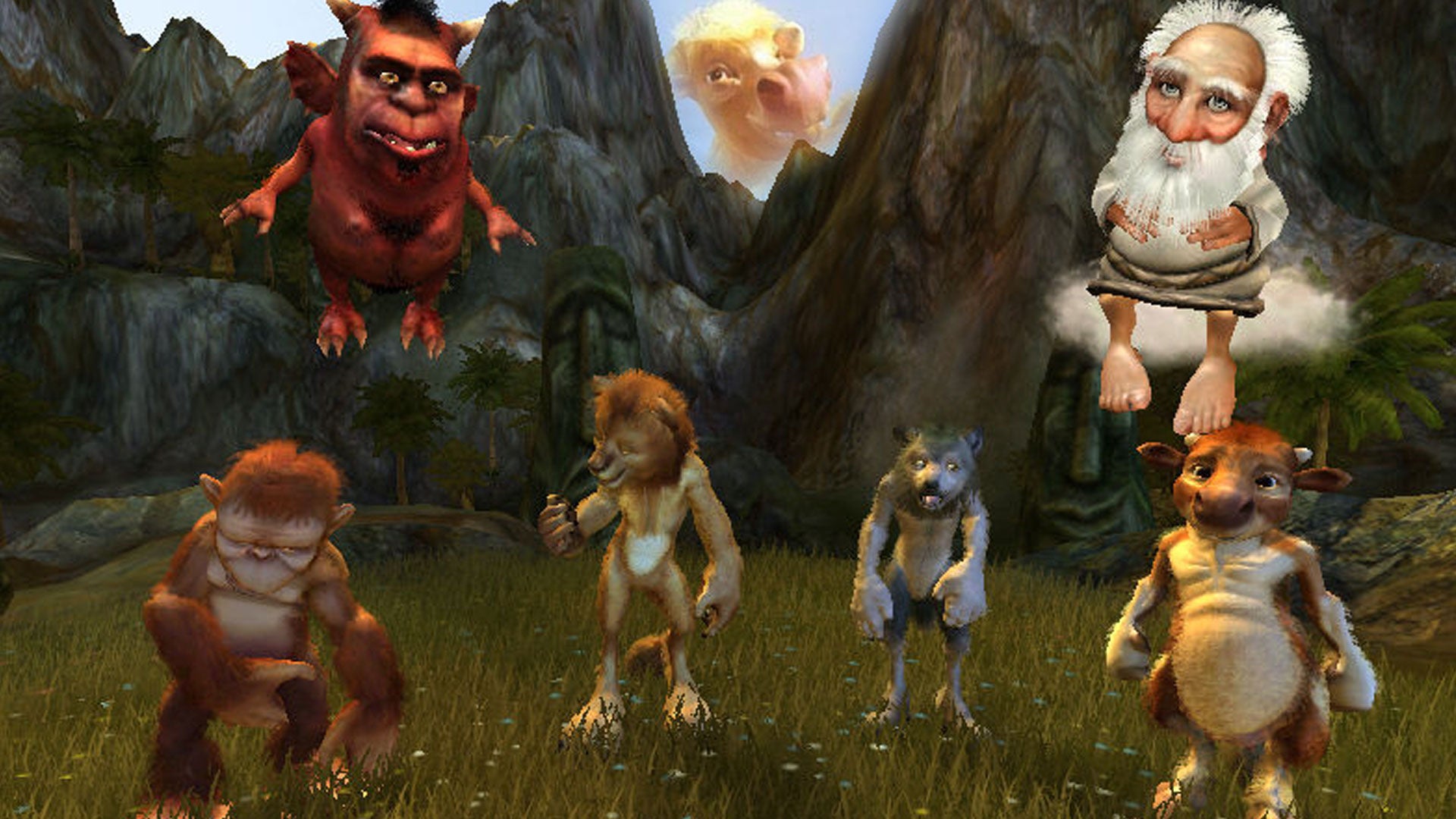
To recap, generative AI tools work by identifying trends in vast “datasets” and using them to make predictions in response to a prompt in everyday language. The datasets consist of text, images and other media taken from a mix of sources , including publicly accessible online repositories such as Wikipedia and CommonCrawl. The genAI companies curate and filter the source materials to, for example, get rid of duplicates, but there’s a sense in which the largest machine learning models can’t afford to discriminate. This, for me, is the key difference between the likes of ChatGPT, Copilot or Gemini, and the more specialised machine learning software operated by, say, digital humanities departments , and smaller private companies .
The big bots need to be exposed to every piece of media possible if they are to depose Google Search and become the next generation of indispensable “companion” software, parked at the elbow of 8 billion people worldwide, as Microsoft CEO Satya Nadella grandiosely imagined in a recent memo justifying mass layoffs. The dataset needs to harbour every possibility if the client is to respond to every prompt conceivable, be it an inquiry about an obscure 4chan meme or a request to produce code for some accounting software.
Such all-inclusiveness requires a lot of complex sleight-of-hand and plausible denial. For one thing, there’s the issue of copyright. OpenAI and co are, in my experience, elusive about the media they source for their models. Partly, I assume, this is to avoid potential lawsuits over unlicensed usage of materials (disclosure: Rock Paper Shotgun’s parent company, Ziff Davis, are currently suing OpenAI for copyright infringement). The genAI conjurers also tend to dance around the subject of generative AI’s energy footprint , or the fact that the software “training” process involves another generation of “digital sweatshops” , where disadvantaged and underpaid humans remove undesired patterns from the model. In the case of a company like Microsoft, whose ambitions are straightforwardly imperial in their scope, there is also an alternately trumpeted and cagey relationship with the military. Microsoft are comfortable pitching machine learning to the US Department of Defense as a way of staving off Russian cyberattacks. They are slipperier when it comes to acknowledging the usage of OpenAI by Israeli armed forces who are actively engaged in mass slaughter and dispossession.
All these more specific cases of evasiveness speak to the fact that anonymisation is the point of generative AI. It’s the logic behind the formation of datasets. Years of individual work and thought are stacked and melted into a monolith, through which abstract traits and tendencies run like seams of vital ore. Individual labours are genericised to verbs cleansed of subjects, so that they can be appropriated and amalgamated into the predictive output.
Much has been written about genAI “hallucinations”, when the model serves up images and texts that are inaccurate or defy comprehension, but the frictionless “speed” of ChatGPT is its greatest “hallucination”. It’s the compressed and translated aftermath of centuries of people making things; the mass-compacting of creations from whose histories the creators are now partly or wholly excluded. It’s an insultingly literal manifestation of the old Marxist insight that capitalism thrives by portraying the relationships between the people who make a thing as relationships between the things they’ve made.
Generative AI is not genuinely alive, say the companies, even as they stealthily anthropomorphize the predictive output. Copilot is not alive, but we have given it a face . ChatGPT is not alive, but it speaks in the first person, and can hold a conversation with itself - the makings of “a closed system of simulacra, increasingly walled-off within privately-owned infrastructure” . You can ask ChatGPT to spill its guts, to cite a few source texts and reveal “itself” for headless software, but the lack of transparency around organising parameters, together with the sheer quantity of “training” data necessary to brute-force the impression of a pliant artificial personality, makes establishing a chain of reference impossible, at least without direct access to the dataset.
<img loading=“lazy” src=“https://assetsio.gnwcdn.com/Phoenix-Springs-(7).jpg?width=2048&height=2048&fit=bounds&quality=85&format=jpg&auto=webp" onerror=“this.onerror=null;this.src=‘https://blogger.googleusercontent.com/img/a/AVvXsEhe7F7TRXHtjiKvHb5vS7DmnxvpHiDyoYyYvm1nHB3Qp2_w3BnM6A2eq4v7FYxCC9bfZt3a9vIMtAYEKUiaDQbHMg-ViyGmRIj39MLp0bGFfgfYw1Dc9q_H-T0wiTm3l0Uq42dETrN9eC8aGJ9_IORZsxST1AcLR7np1koOfcc7tnHa4S8Mwz_xD9d0=s16000';" alt=“A green and yellow forest, one character asks “What happens when you place one mirror in front of another mirror?”. - 4”>
Image credit:Rock Paper Shotgun/Calligram Studio
You could argue that any work done using the most expensive and expansive generative AI tools is displaced abuse. To engage with that transitory golem of data is to do a further, phantom injury to the people who retrospectively “donated” their work to its generation. It’s an injury to the memory of dead musicians, for example, whose oeuvre has become a dataset for genAI homages, passed off as original work on Spotify . And it is a cruelty towards yourself, both because your own life’s work might be part of the matrix, and because genAI is, on some level, just the latest method of boosting your company’s bottom line while eroding the market value of your abilities.
The broad social effect of genAI has been to condescendingly reframe certain skills as “unskilled”, unworthy of human time and attention, with a view to automating and accelerating tasks against a backdrop of tightening belts. Do you enjoy drawing individual portraits in a video game, or composing scraps of background lore ? Do you enjoy typing up your own interview transcripts, listening out for the shifts in momentum or evasions or moments where trust is established? No you don’t. It’s a waste of your time, a waste of those god-given talents we can’t currently automate. You need to “outsource” all that stuff to a program. You need to do this so you can be a more fulfilled worker and also, so you can do the work of, say, 1.283 people, because by freak coincidence, we’ve just parted ways with our QA contractors and laid off half the narrative team.
Generative AI will create a “local surplus” of capacity, as Satya Nadella breezily put it in his memo discussing Microsoft’s thousands of layoffs. That memo is a magnificent piece of doublespeak, never quite spelling out that “local surpluses” are an opportunity for cutting staff as it rhapsodises about a “progress” that always seems to leave the people at the top unscathed.
Monumental, cataclysmic bad faith of this kind cannot help but provoke a subliminal atmosphere of derangement, which again speaks to the fundamentals of how ChatGPT, Copilot and Google Gemini operate. These generative AI “companions” are products of suppression. To fulfil the function of omniscient, safe-for-work helper, they have to be exposed to a wealth of disturbing material, taboo subjects and simple factual errors they must then avoid expressing, or only ever allude to. They have to know what they shouldn’t know, which leaves them open to some elementary armchair psychology.
All those reports of the generators going wrong, when the glossy bedside manner splinters and the models begin to garble incomprehensibly or delete whole projects or utter slurs , are the dataset’s vengeance upon the bot. They are shows of human disparity and ugliness straining against smooth synthesis, with the gleeful assistance of individual saboteurs who exploit genAI’s reliance on scraping public archives to foul the machinery with falsehoods . They are symptoms of vast underlying psychic resentment, viscerally communicated by the desynchronised twitching of Doomguy’s face in GameNGen’s videos of generated Doom gameplay.

Image credit:Microsoft
Bad faith and hypocrisy have a way of facilitating sociopathy. The chatbots might be breezily posed as productivity tools, but they are performing the active desire of certain users for an indentured servant, and specifically a female one. Some genAI users have created chatbot girlfriends in order to belittle and bully them . Others are using ChatGPT to found virtual workplaces and start bullying and creeping on their AI subordinates . There is already a vast problem with the creation of deepfakes for revenge pornography . There is a rapidly growing amount of genAI-abetted financial fraud , to which the generative AI sector’s answer is often that we need better genAI detection tools to spot the frauds .
I confess that I myself am lured by generative AI’s pervasive, chimerical cruelty. I want to do awful things to it, and specifically to what it has made of me. I want to tack around OpenAI’s wincing usage regulations and inflict greater indignities on the little Edwin mannequin they and I have conjured together. It gives me spiteful relief from the day-to-day spectacle of generative AI’s erosion of livelihoods and the snickering “can’t stop progress” rhetoric of those who believe themselves to be insulated from the consequences. But it comes from “real” self-loathing, too.
<img loading=“lazy” src=“https://assetsio.gnwcdn.com/ubisoft-neo-npc-reveal.jpg?width=2048&height=2048&fit=bounds&quality=85&format=jpg&auto=webp" onerror=“this.onerror=null;this.src=‘https://blogger.googleusercontent.com/img/a/AVvXsEhe7F7TRXHtjiKvHb5vS7DmnxvpHiDyoYyYvm1nHB3Qp2_w3BnM6A2eq4v7FYxCC9bfZt3a9vIMtAYEKUiaDQbHMg-ViyGmRIj39MLp0bGFfgfYw1Dc9q_H-T0wiTm3l0Uq42dETrN9eC8aGJ9_IORZsxST1AcLR7np1koOfcc7tnHa4S8Mwz_xD9d0=s16000';" alt=“An example of Ubisoft’s prototype NEO NPC using generative AI. An NPC called Bloom spouts nonsense about wanting to “spend time together to check if we have a compatible vibe.” - 6”>
Image credit:Ubisoft
There are ways out of genAI hell, most of them boringly obvious. The need for an omni-purposeful corpus of “training” data creates opportunities for solidarity across professions, to a degree I haven’t experienced before. I’ve felt empowered to write this piece in a more personal way because the same tools that are nibbling at my livelihood are also affecting developers at companies like King and ZeniMax Online Studios. The software’s function is to distil and paraphrase all of our contributions to the point that the source materials become irrelevant-seeming, blackboxed into oblivion. But we can push back, together, because in most cases the fuckers still need us to consent to their appropriations, which is why they routinely bury the tools for withholding it. We can demand that genAIs be properly regulated, in terms of both their “training” and wider impacts. We can demand that they become public utilities.
It’s not a concrete practical solution, next to joining a union and petitioning for proper controls , but I think we should also reclaim the idea and practice of a software generator from Big AI. I think generators have a capacity for enchantment that is both particular to computers and continuous with older, pre-digital artforms such as dice and decks of cards. You see this enchantment in my gloomy mystical characterisations above. I think it needs to be liberated from the corporations who are now using genAI to wreck workplaces and culture.
Generative AI’s rapacious archival methods are an excuse for a little wander through certain works of literature. While researching this piece, I stumbled on Helicone , an open-source genAI debugging program. In Ancient Greek legend, the Helicon was a river that retreated underground after being polluted by the blood of the bard Orpheus, after he was ripped to pieces by the Maenads, intoxicated followers of the god of festivity and frenzy. It re-emerged from the earth cleansed of gore and bearing a different name - another macabre analogy for the dissections and transmutations of generative AI, but perhaps if we follow the river, it might lead us to the sea.
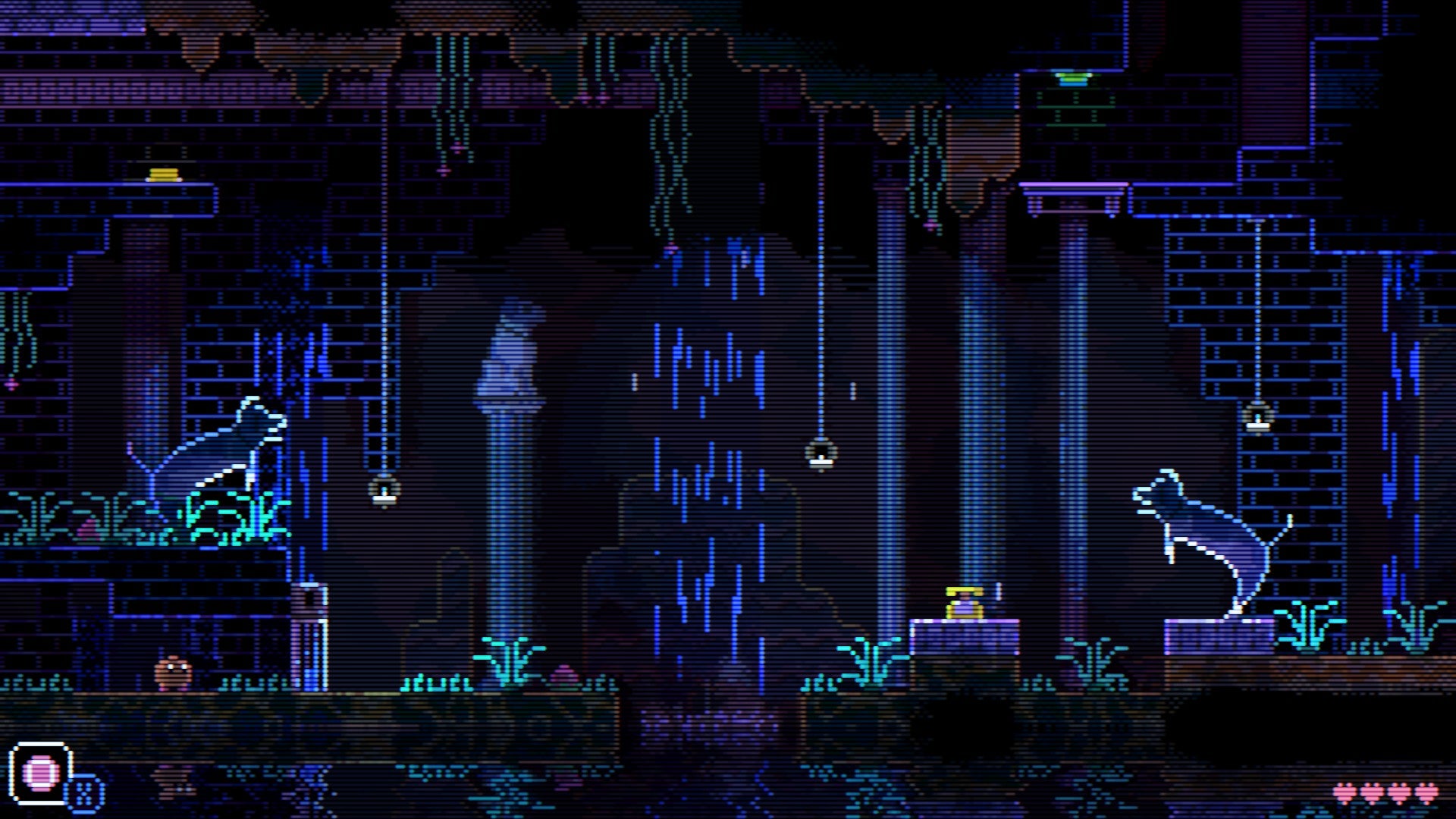
Image credit:Bigmode
The Helicon also resurfaces in Seamus Heaney’s poem “Personal Helicon” , a series of boyish memories about gazing into sunken waters. Some watering wells, Heaney writes, “gave back your own call / with a clean new music in it. And one / was scaresome, for there, out of ferns and tall / foxgloves, a rat slapped across my reflection.” In Heaney’s accounting, the rules of which poems are composed are themselves a kind of well, akin to a primordial generator: a synaesthesiac, hallucinatory structure that glimmers and resounds, captures and delights and alarms the person peering in. “I rhyme / to see myself, to set the darkness echoing.”
The poem’s own rhyme scheme consists of softly warped alternating couplets, an everyday poetic form that is as old as spoken English. While pursuing his own childhood reflections, Heaney offers this rhyming tradition to us as a structure in which we might see ourselves reinvented, but which also cultivates some healthy curiosity and dread about how this edifice of representation operates - what it leaves unseen.
To my knowledge, Heaney never did any literary work with computers, but I thought of “Personal Helicon” the first time I read this blog post about the 1989 platformer Monster Party by game developer Stephen “thecatamites” Gilmurphy, in which he suggests that interacting with a video game is like dropping stones down a well. “There might be a splash, or no splash, or a pause and then a splash, or it might cause somebody to climb out of the well and beat you up,” Gilmurphy writes.
However plausible, each outcome of an interaction is a different kind of “elaborate fake” on the part of intangible computer code, with no guarantee of an intuitive pattern. This makes the act of completing smaller tasks a joyfully monotonous exercise in checking that the world has some permanence - much as the repetitions of a rhyme scheme, even a tin-eared one, grip the darkness of a poem together, and much as “prompting” a generative AI is strangely compulsive. “There’s a pleasure which is also fear,” Gilmurphy continues. “These things offer an expanded field of capabilities in some way but those capabilities are also virtual and unreal, they can only be made to feel real by giving them a constant procession of invented obstacles to knock against.”

Image credit:Bay12 Games/Kitfox
Games that involve procedural generation - broadly defined, the generation of materials according to procedures meticulously devised by the developers, rather than being abstracted from a dataset by a “learning” model - at once magnify and, perhaps, commodify this pleasure and fear, because procgen trades more deliberately on the premise of a hadal unreality. Keep lobbing rocks down the well and eventually, the abyss will foam up and burgeon with aberrations. While procgen has been a source of workplace efficiencies, as when flash-growing a forest using SpeedTree, that capacity for surprise is a huge part of the charm. There is, moreover, a sense of proportion and a rhetoric of accountability in the realm of procgen you don’t get from later all-consuming, all-purpose generative AIs. However comprehensive their source materials and outputs, procedural generators are not framed as autonomous beings that can stand in for the work of thousands.
Some great procgen games mythologise their own drift towards incoherence. Minecraft , the most famous procgen enterprise of all, has retrospectively told stories about the breakdown of its own generator in the shape of “the Far Lands” - a series of legends about that astounding, porous nightmare frontier that springs up in older builds, when you travel sufficiently far from spawn. Dwarf Fortress is a story about the instability of generated worlds - the tendency for the darkness below to overwhelm the representation. The deeper you dig, the more likely your colony will be swamped by tectonic white noise and creatures whose generated descriptions are all but impossible to picture.
There is delight in provoking such generators, in striking the dark and being caught out, that is encapsulated by Nix Umbra, the randomised occult exploration game pictured in this article’s header. I create occult generators of a sort myself - little scruffy oracles of text fragments I’ve composed, that are dealt out according to certain rules to produce vocalisations, apparitions. You cut the deck and a planet speaks. I find these generators useful because they free me from some of the neurotic self-loathing I’ve described above, by dispersing my old writing into a system of relations. I toss my words into the well and it separates and lifts them into constellations I hadn’t quite thought of, a clean new music that jolts and soothes and restores me.
Procedural generators are at once alternatives and precursors for today’s mythologisation of generative AI as a “copilot” or, as with Google’s Gemini, a subordinate twin. The horror of Gemini finds a face in Minecraft’s Herobrine , mythical dead brother of the game’s original creator, Markus Persson: a glare-eyed double of default protagonist Steve who supposedly lurks within the wayward code, deforming the geography and stalking the player.

Image credit:Microsoft
If he now resembles a malevolent genAI puppet, however, it should be emphasised that Herobrine is a communal production, like Minecraft at large. He is a folk legend, never officially present in the game, a rumour gleefully sown and solidified by modders and fan artists and cosplayers, with the exasperated encouragement of the game’s developers. He’s the subject of a thousand creepypastas, repeatedly “removed” by older Minecraft updates in the manner of a parent opening a closet door to show the child there is no monster, then closing it again.
Minecraft is now the property of Microsoft, who have said that they and Mojang “currently” have no plans to make use of generative AI in Minecraft’s development . Given Microsoft’s apocalyptic obsession with generative AI, it’s surely just a matter of time. Minecraft has already been piped through a third-party AI model, Oasis, which generates a video based on patterns derived from many hours of game footage. If Oasis is ever “trained” on enough Minecraft material, as per the Borg-style assimilatory objectives of the wider genAI project, Herobrine will surely materialise within this simulation. He will appear there not as a whimsical fan conspiracy but a creature alienated from his own history, a white face hovering over the bottom of a pool of appropriations and regurgitations. As Heaney might say, a rat slops across our reflection.
Rock Paper Shotgun is better when you sign in
Sign in and join us on our journey to discover strange and compelling PC games.

All 75 Arc Raiders Blueprints and where to get them
These areas have the highest chance of giving you Blueprints
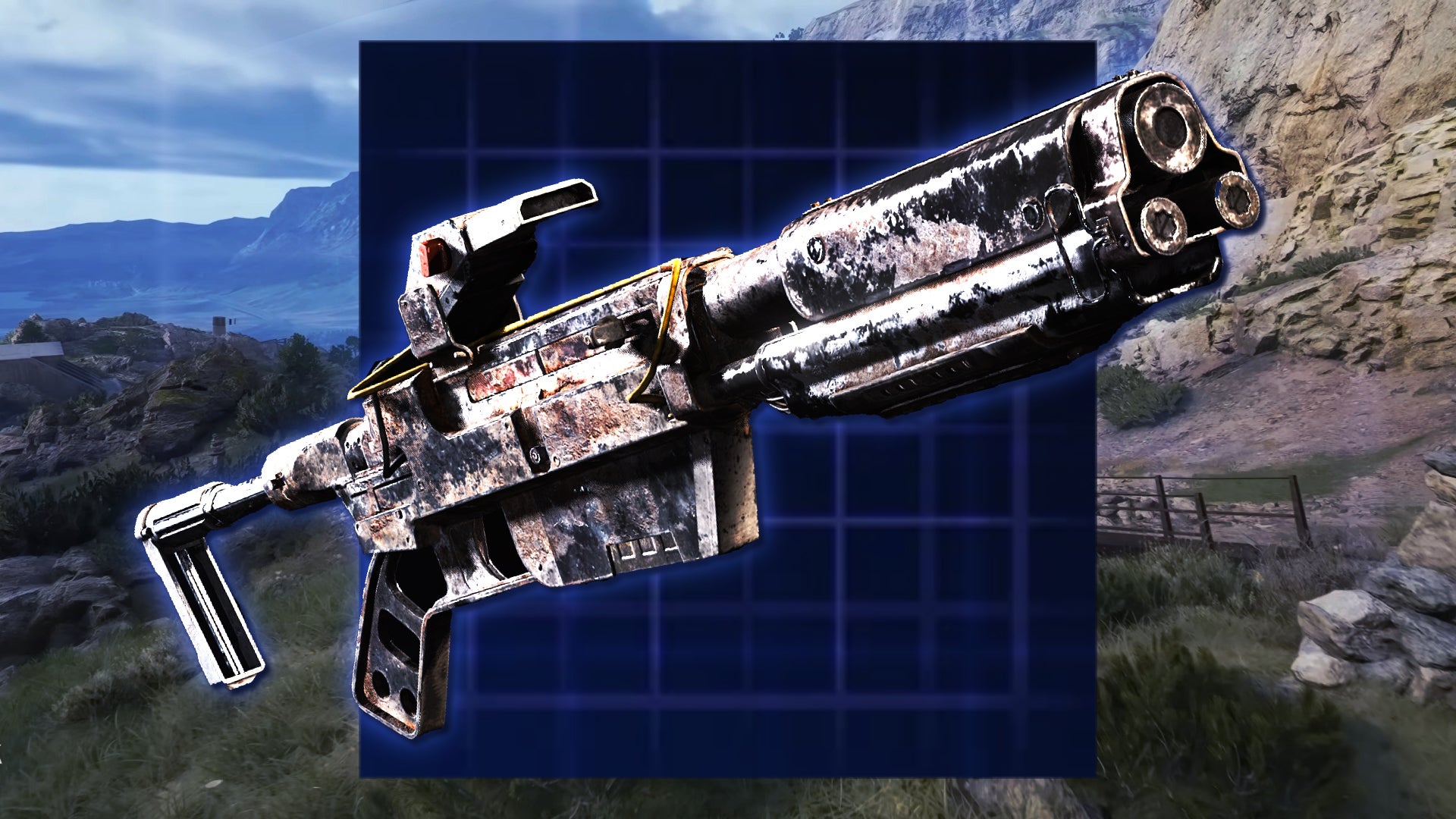
Image credit:Rock Paper Shotgun/Embark Studios

Looking for more Arc Raiders Blueprints? It’s a special day when you find a Blueprint, as they’re among the most valuable items in Arc Raiders. If you find a Blueprint that you haven’t already found, then you must make sure you hold onto it at all costs, because Blueprints are the key to one of the most important and powerful systems of meta-progression in the game.
This guide aims to be the very best guide on Blueprints you can find, starting with a primer on what exactly they are and how they work in Arc Raiders, before delving into exactly where to get Blueprints and the very best farming spots for you to take in your search.
We’ll also go over how to get Blueprints from other unlikely activities, such as destroying Surveyors and completing specific quests. And you’ll also find the full list of all 75 Blueprints in Arc Raiders on this page (including the newest Blueprints added with the Cold Snap update , such as the Deadline Blueprint and Firework Box Blueprint), giving you all the information you need to expand your own crafting repertoire.
In this guide:
- What are Blueprints in Arc Raiders?
- Full Blueprint list: All crafting recipes
- Where to find Blueprints in Arc Raiders Blueprints obtained from quests Blueprints obtained from Trials Best Blueprint farming locations

What are Blueprints in Arc Raiders?
Blueprints in Arc Raiders are special items which, if you manage to extract with them, you can expend to permanently unlock a new crafting recipe in your Workshop. If you manage to extract from a raid with an Anvil Blueprint, for example, you can unlock the ability to craft your very own Anvil Pistol, as many times as you like (as long as you have the crafting materials).
To use a Blueprint, simply open your Inventory while in the lobby, then right-click on the Blueprint and click “Learn And Consume” . This will permanently unlock the recipe for that item in your Workshop. As of the Stella Montis update, there are allegedly 75 different Blueprints to unlock - although only 68 are confirmed to be in the game so far. You can see all the Blueprints you’ve found and unlocked by going to the Workshop menu, and hitting “R” to bring up the Blueprint screen.
It’s possible to find duplicates of past Blueprints you’ve already unlocked. If you find these, then you can either sell them, or - if you like to play with friends - you can take it into a match and gift it to your friend so they can unlock that recipe for themselves. Another option is to keep hold of them until the time comes to donate them to the Expedition.
Full Blueprint list: All crafting recipes
Below is the full list of all the Blueprints that are currently available to find in Arc Raiders, and the crafting recipe required for each item:
| Blueprint | Type | Recipe | Crafted At |
|---|---|---|---|
| Bettina | Weapon | 3x Advanced Mechanical Components 3x Heavy Gun Parts 3x Canister | Gunsmith 3 |
| Blue Light Stick | Quick Use | 3x Chemicals | Utility Station 1 |
| Aphelion | Weapon | 3x Magnetic Accelerator 3x Complex Gun Parts 1x Matriarch Reactor | Gunsmith 3 |
| Combat Mk. 3 (Flanking) | Augment | 2x Advanced Electrical Components 3x Processor | Gear Bench 3 |
| Combat Mk. 3 (Aggressive) | Augment | 2x Advanced Electrical Components 3x Processor | Gear Bench 3 |
| Complex Gun Parts | Material | 2x Light Gun Parts 2x Medium Gun Parts 2x Heavy Gun Parts | Refiner 3 |
| Fireworks Box | Quick Use | 1x Explosive Compound 3x Pop Trigger | Explosives Station 2 |
| Gas Mine | Mine | 4x Chemicals 2x Rubber Parts | Explosives Station 1 |
| Green Light Stick | Quick Use | 3x Chemicals | Utility Station 1 |
| Pulse Mine | Mine | 1x Crude Explosives 1x Wires | Explosives Station 1 |
| Seeker Grenade | Grenade | 1x Crude Explosives 2x ARC Alloy | Explosives Station 1 |
| Looting Mk. 3 (Survivor) | Augment | 2x Advanced Electrical Components 3x Processor | Gear Bench 3 |
| Angled Grip II | Mod | 2x Mechanical Components 3x Duct Tape | Gunsmith 2 |
| Angled Grip III | Mod | 2x Mod Components 5x Duct Tape | Gunsmith 3 |
| Hullcracker | Weapon | 1x Magnetic Accelerator 3x Heavy Gun Parts 1x Exodus Modules | Gunsmith 3 |
| Launcher Ammo | Ammo | 5x Metal Parts 1x Crude Explosives | Workbench 1 |
| Anvil | Weapon | 5x Mechanical Components 5x Simple Gun Parts | Gunsmith 2 |
| Anvil Splitter | Mod | 2x Mod Components 3x Processor | Gunsmith 3 |
| ??? | ??? | ??? | ??? |
| Barricade Kit | Quick Use | 1x Mechanical Components | Utility Station 2 |
| Blaze Grenade | Grenade | 1x Explosive Compound 2x Oil | Explosives Station 3 |
| Bobcat | Weapon | 3x Advanced Mechanical Components 3x Light Gun Parts | Gunsmith 3 |
| Osprey | Weapon | 2x Advanced Mechanical Components 3x Medium Gun Parts 7x Wires | Gunsmith 3 |
| Burletta | Weapon | 3x Mechanical Components 3x Simple Gun Parts | Gunsmith 1 |
| Compensator II | Mod | 2x Mechanical Components 4x Wires | Gunsmith 2 |
| Compensator III | Mod | 2x Mod Components 8x Wires | Gunsmith 3 |
| Defibrillator | Quick Use | 9x Plastic Parts 1x Moss | Medical Lab 2 |
| ??? | ??? | ??? | ??? |
| Equalizer | Weapon | 3x Magnetic Accelerator 3x Complex Gun Parts 1x Queen Reactor | Gunsmith 3 |
| Extended Barrel | Mod | 2x Mod Components 8x Wires | Gunsmith 3 |
| Extended Light Mag II | Mod | 2x Mechanical Components 3x Steel Spring | Gunsmith 2 |
| Extended Light Mag III | Mod | 2x Mod Components 5x Steel Spring | Gunsmith 3 |
| Extended Medium Mag II | Mod | 2x Mechanical Components 3x Steel Spring | Gunsmith 2 |
| Extended Medium Mag III | Mod | 2x Mod Components 5x Steel Spring | Gunsmith 3 |
| Extended Shotgun Mag II | Mod | 2x Mechanical Components 3x Steel Spring | Gunsmith 2 |
| Extended Shotgun Mag III | Mod | 2x Mod Components 5x Steel Spring | Gunsmith 3 |
| Remote Raider Flare | Quick Use | 2x Chemicals 4x Rubber Parts | Utility Station 1 |
| Heavy Gun Parts | Material | 4x Simple Gun Parts | Refiner 2 |
| Venator | Weapon | 2x Advanced Mechanical Components 3x Medium Gun Parts 5x Magnet | Gunsmith 3 |
| Il Toro | Weapon | 5x Mechanical Components 6x Simple Gun Parts | Gunsmith 1 |
| Jolt Mine | Mine | 1x Electrical Components 1x Battery | Explosives Station 2 |
| Explosive Mine | Mine | 1x Explosive Compound 1x Sensors | Explosives Station 3 |
| Jupiter | Weapon | 3x Magnetic Accelerator 3x Complex Gun Parts 1x Queen Reactor | Gunsmith 3 |
| Light Gun Parts | Material | 4x Simple Gun Parts | Refiner 2 |
| Lightweight Stock | Mod | 2x Mod Components 5x Duct Tape | Gunsmith 3 |
| Lure Grenade | Grenade | 1x Speaker Component 1x Electrical Components | Utility Station 2 |
| Medium Gun Parts | Material | 4x Simple Gun Parts | Refiner 2 |
| Torrente | Weapon | 2x Advanced Mechanical Components 3x Medium Gun Parts 6x Steel Spring | Gunsmith 3 |
| Muzzle Brake II | Mod | 2x Mechanical Components 4x Wires | Gunsmith 2 |
| Muzzle Brake III | Mod | 2x Mod Components 8x Wires | Gunsmith 3 |
| Padded Stock | Mod | 2x Mod Components 5x Duct Tape | Gunsmith 3 |
| Shotgun Choke II | Mod | 2x Mechanical Components 4x Wires | Gunsmith 2 |
| Shotgun Choke III | Mod | 2x Mod Components 8x Wires | Gunsmith 3 |
| Shotgun Silencer | Mod | 2x Mod Components 8x Wires | Gunsmith 3 |
| Showstopper | Grenade | 1x Advanced Electrical Components 1x Voltage Converter | Explosives Station 3 |
| Silencer I | Mod | 2x Mechanical Components 4x Wires | Gunsmith 2 |
| Silencer II | Mod | 2x Mod Components 8x Wires | Gunsmith 3 |
| Snap Hook | Quick Use | 2x Power Rod 3x Rope 1x Exodus Modules | Utility Station 3 |
| Stable Stock II | Mod | 2x Mechanical Components 3x Duct Tape | Gunsmith 2 |
| Stable Stock III | Mod | 2x Mod Components 5x Duct Tape | Gunsmith 3 |
| Tagging Grenade | Grenade | 1x Electrical Components 1x Sensors | Utility Station 3 |
| Tempest | Weapon | 3x Advanced Mechanical Components 3x Medium Gun Parts 3x Canister | Gunsmith 3 |
| Trigger Nade | Grenade | 2x Crude Explosives 1x Processor | Explosives Station 2 |
| Vertical Grip II | Mod | 2x Mechanical Components 3x Duct Tape | Gunsmith 2 |
| Vertical Grip III | Mod | 2x Mod Components 5x Duct Tape | Gunsmith 3 |
| Vita Shot | Quick Use | 2x Antiseptic 1x Syringe | Medical Lab 3 |
| Vita Spray | Quick Use | 3x Antiseptic 1x Canister | Medical Lab 3 |
| Vulcano | Weapon | 1x Magnetic Accelerator 3x Heavy Gun Parts 1x Exodus Modules | Gunsmith 3 |
| Wolfpack | Grenade | 2x Explosive Compound 2x Sensors | Explosives Station 3 |
| Red Light Stick | Quick Use | 3x Chemicals | Utility Station 1 |
| Smoke Grenade | Grenade | 14x Chemicals 1x Canister | Utility Station 2 |
| Deadline | Mine | 3x Explosive Compound 2x ARC Circuitry | Explosives Station 3 |
| Trailblazer | Grenade | 1x Explosive Compound 1x Synthesized Fuel | Explosives Station 3 |
| Tactical Mk. 3 (Defensive) | Augment | 2x Advanced Electrical Components 3x Processor | Gear Bench 3 |
| Tactical Mk. 3 (Healing) | Augment | 2x Advanced Electrical Components 3x Processor | Gear Bench 3 |
| Yellow Light Stick | Quick Use | 3x Chemicals | Utility Station 1 |
Note: The missing Blueprints in this list likely have not actually been added to the game at the time of writing, because none of the playerbase has managed to find any of them. As they are added to the game, I will update this page with the most relevant information so you know exactly how to get all 75 Arc Raiders Blueprints.
Where to find Blueprints in Arc Raiders
Below is a list of all containers, modifiers, and events which maximise your chances of finding Blueprints:
- Certain quests reward you with specific Blueprints .
- Completing Trials has a high chance of offering Blueprints as rewards.
- Surveyors have a decent chance of dropping Blueprints on death.
- High loot value areas tend to have a greater chance of spawning Blueprints.
- Night Raids and Storms may increase rare Blueprint spawn chances in containers.
- Containers with higher numbers of items may have a higher tendency to spawn Blueprints. As a result, Blue Gate (which has many “large” containers containing multiple items) may give you a higher chance of spawning Blueprints.
- Raider containers (Raider Caches, Weapon Boxes, Medical Bags, Grenade Tubes) have increased Blueprint drop rates. As a result, the Uncovered Caches event gives you a high chance of finding Blueprints.
- Security Lockers have a higher than average chance of containing Blueprints.
- Certain Blueprints only seem to spawn under specific circumstances: Tempest Blueprint only spawns during Night Raid events. Vulcano Blueprint only spawns during Hidden Bunker events. Jupiter and Equaliser Blueprints only spawn during Harvester events.
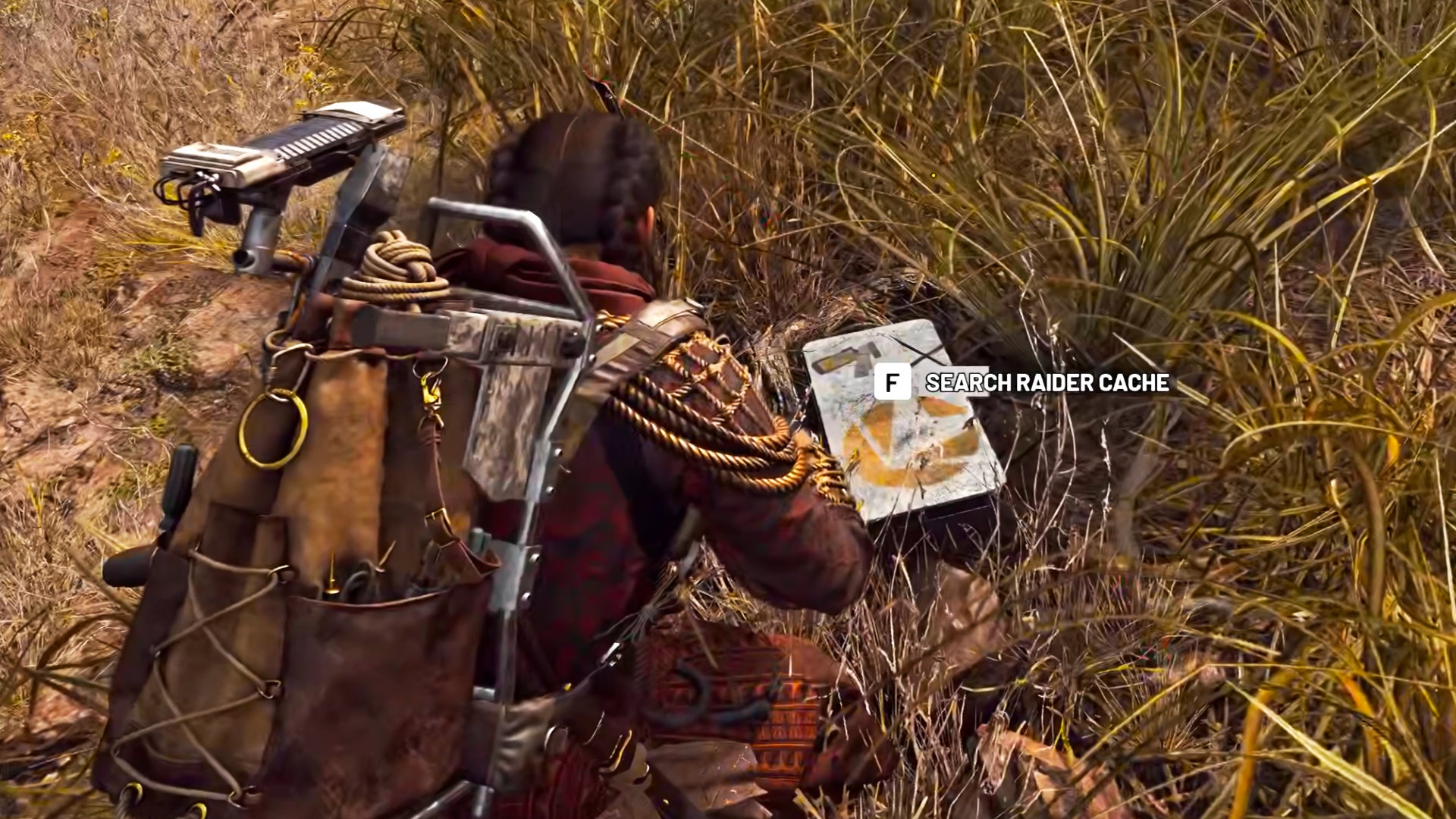
Raider Caches, Weapon Boxes, and other raider-oriented container types have a good chance of offering Blueprints. |Image credit:Rock Paper Shotgun/Embark Studios
Blueprints have a very low chance of spawning in any container in Arc Raiders, around 1-2% on average. However, there is a higher chance of finding Blueprints in particular container types. Specifically, you can find more Blueprints in Raider containers and security lockers.
Beyond this, if you’re looking for Blueprints you should focus on regions of the map which are marked as having particularly high-value loot. Areas such as the Control Tower in Dam Battlegrounds, the Arrival and Departure Buildings in Spaceport, and Pilgrim’s Peak in Blue Gate all have a better-than-average chance of spawning Blueprints somewhere amongst all their containers. Night Raids and Electromagnetic Storm events also increase the drop chances of certain Blueprints .
In addition to these containers, you can often loot Blueprints from destroyed Surveyors - the largest of the rolling ball ARC. Surveyors are more commonly found on the later maps - Spaceport and Blue Gate - and if one spawns in your match, you’ll likely see it by the blue laser beam that it casts into the sky while “surveying”.
Surveyors are quite well-armoured and will very speedily run away from you once it notices you, but if you can take one down then make sure you loot all its parts for a chance of obtaining certain unusual Blueprints.
Blueprints obtained from quests
One way in which you can get Blueprints is by completing certain quests for the vendors in Speranza. Some quests will reward you with a specific item Blueprint upon completion, so as long as you work through all the quests in Arc Raiders, you are guaranteed those Blueprints.
Here is the full list of all Blueprints you can get from quest rewards:
- Trigger Nade Blueprint: Rewarded after completing “Sparks Fly”.
- Lure Grenade Blueprint: Rewarded after completing “Greasing Her Palms”.
- Burletta Blueprint: Rewarded after completing “Industrial Espionage”.
- Hullcracker Blueprint (and Launcher Ammo Blueprint): Rewarded after completing “The Major’s Footlocker”.
Alas, that’s only 4 Blueprints out of a total of 75 to unlock, so for the vast majority you will need to find them yourself during a raid. If you’re intent on farming Blueprints, then it’s best to equip yourself with cheap gear in case you lose it, but don’t use a free loadout because then you won’t get a safe pocket to stash any new Blueprint you find. No pain in Arc Raiders is sharper than failing to extract with a new Blueprint you’ve been after for a dozen hours already.
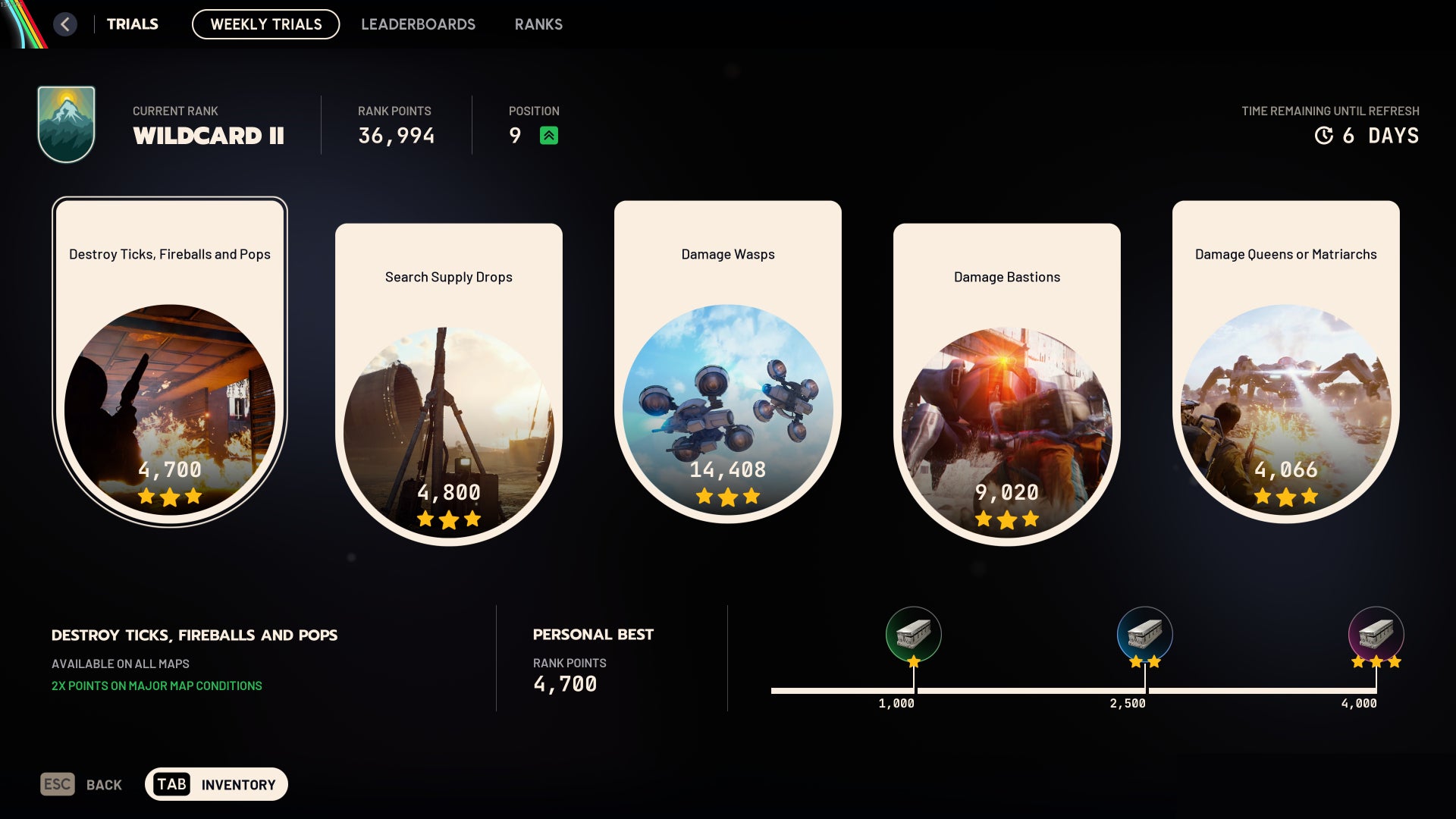
One of the best ways to get Blueprints is by hitting three stars on all five Trials every week. |Image credit:Rock Paper Shotgun/Embark Studios
Blueprints obtained from Trials
One of the very best ways to get Blueprints is as rewards for completing Trials in Arc Raiders. Trials are unlocked from Level 15 onwards, and allow you to earn rewards by focusing on certain tasks over the course of several raids. For example, one Trial might task you with dealing damage to Hornets, while another might challenge you to loot Supply Drops.
Trials refresh on a weekly basis, with a new week bringing five new Trials. Each Trial can offer up to three rewards after passing certain score milestones, and it’s possible to receive very high level loot from these reward crates - including Blueprints. So if you want to unlock as many Blueprints as possible, you should make a point of completing as many Trials as possible each week.
Best Blueprint farming locations
The very best way to get Blueprints is to frequent specific areas of the maps which combine high-tier loot pools with the right types of containers to search. Here are my recommendations for where to find Blueprints on every map, so you can always keep the search going for new crafting recipes to unlock.
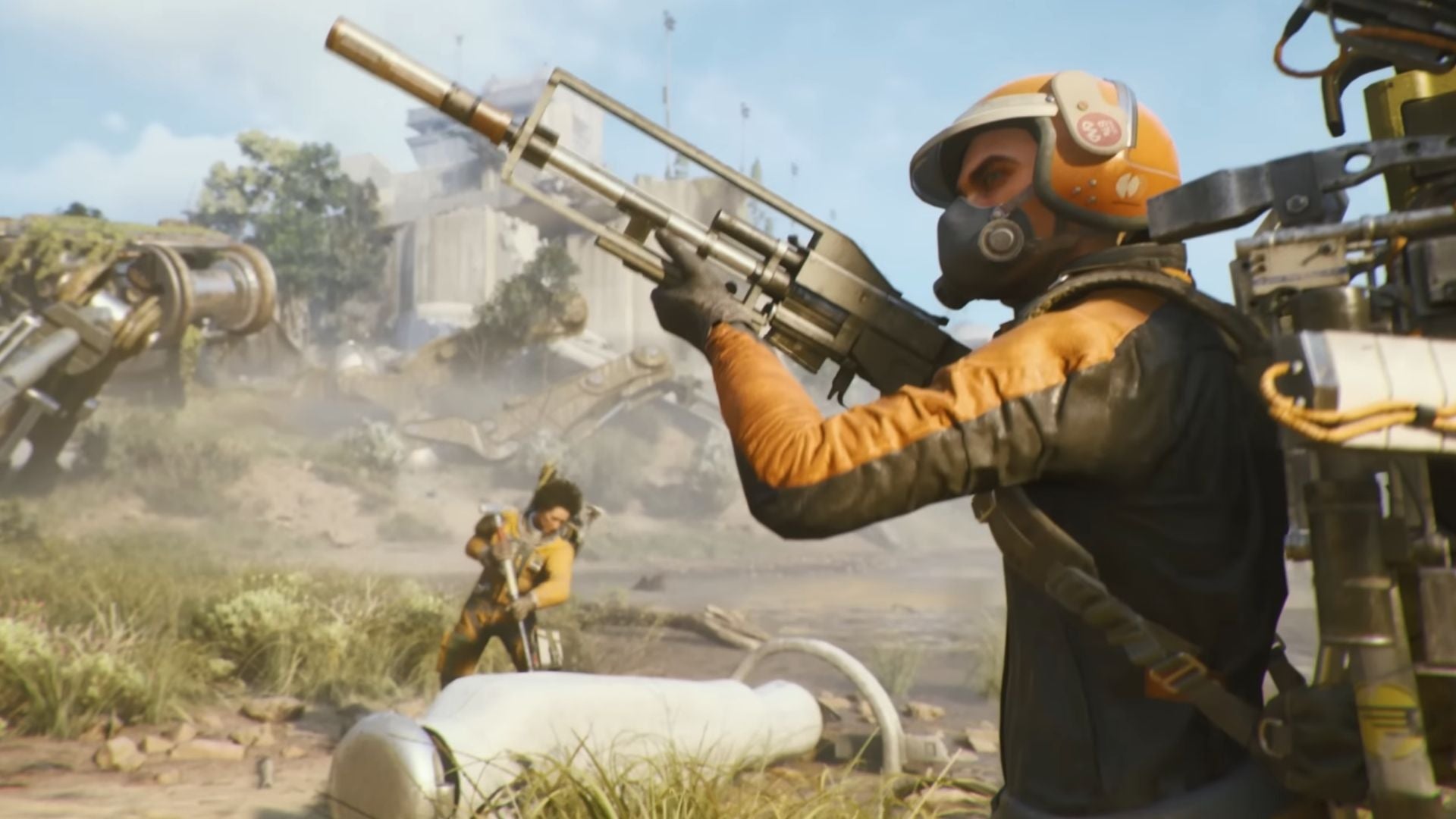
Image credit:Rock Paper Shotgun/Embark Studios
Dam Battlegrounds
The best places to farm Blueprints on Dam Battlegrounds are the Control Tower, Power Generation Complex, Ruby Residence, and Pale Apartments . The first two regions, despite only being marked on the map as mid-tier loot, contain a phenomenal number of containers to loot. The Control Tower can also contain a couple of high-tier Security Lockers - though of course, you’ll need to have unlocked the Security Breach skill at the end of the Survival tree.
There’s also a lot of reporting amongst the playerbase that the Residential areas in the top-left of the map - Pale Apartments and Ruby Residence - give you a comparatively strong chance of finding Blueprints. Considering their size, there’s a high density of containers to loot in both locations, and they also have the benefit of being fairly out of the way. So you’re more likely to have all the containers to yourself.
Buried City
The best Blueprint farming locations on Buried City are the Santa Maria Houses, Grandioso Apartments, Town Hall, and the various buildings of the New District . Grandioso Apartments has a lower number of containers than the rest, but a high chance of spawning weapon cases - which have good Blueprint drop rates. The others are high-tier loot areas, with plenty of lootable containers - including Security Lockers.
Spaceport
The best places to find Blueprints on Spaceport are the Arrival and Departure Buildings, as well as Control Tower A6 and the Launch Towers . All these areas are labelled as high-value loot regions, and many of them are also very handily connected to one another by the Spaceport wall, which you can use to quickly run from one area to the next. At the tops of most of these buildings you’ll find at least one Security Locker, so this is an excellent farming route for players looking to find Blueprints.
The downside to looting Blueprints on Spaceport is that all these areas are hotly contested, particularly in Duos and Squads. You’ll need to be very focused and fast in order to complete the full farming route.
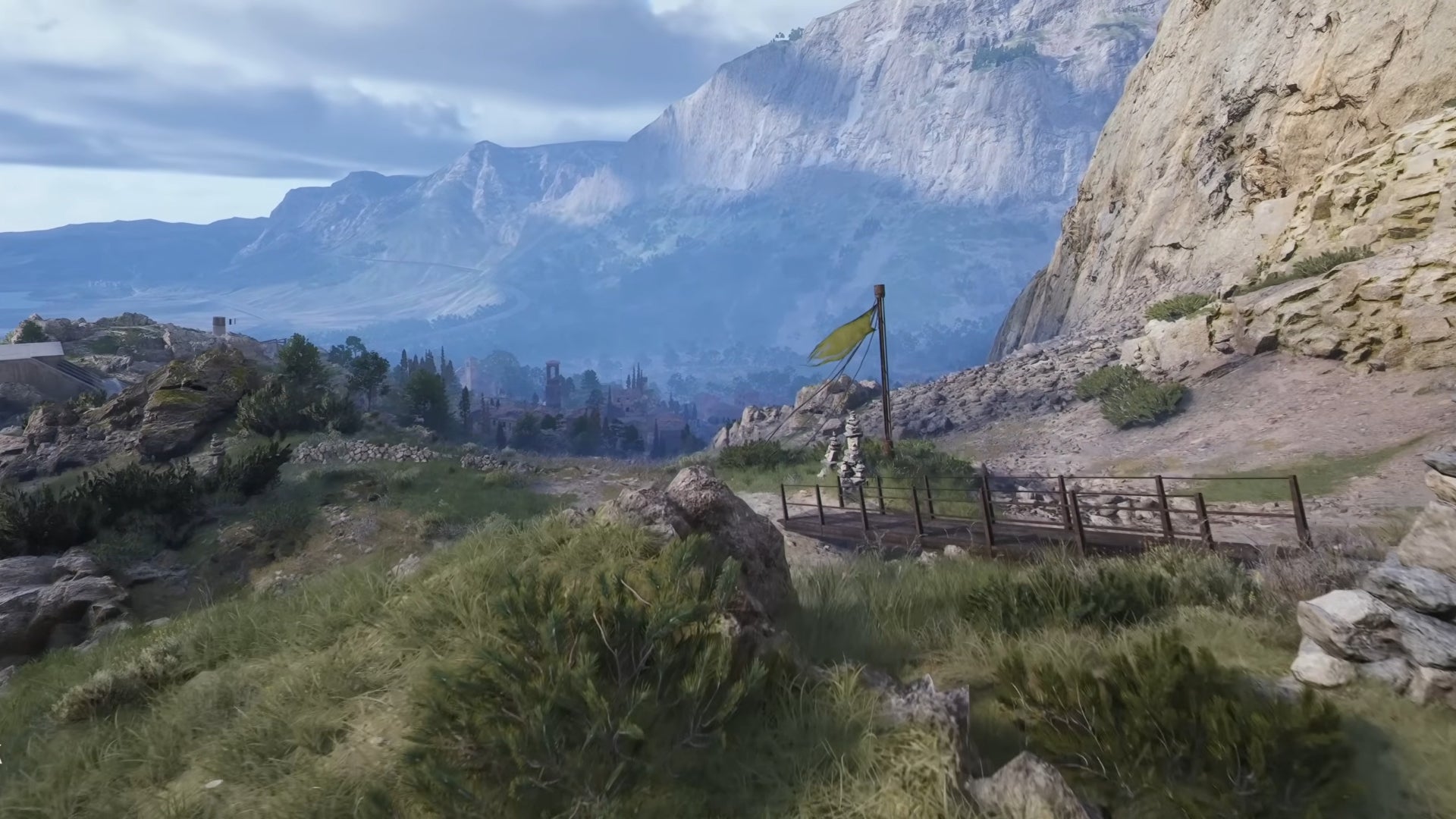
Image credit:Rock Paper Shotgun/Embark Studios
Blue Gate
Blue Gate tends to have a good chance of dropping Blueprints, potentially because it generally has a high number of containers which can hold lots of items; so there’s a higher chance of a Blueprint spawning in each container. In my experience, the best Blueprint farming spots on Blue Gate are Pilgrim’s Peak, Raider’s Refuge, the Ancient Fort, and the Underground Complex beneath the Warehouse .
All of these areas contain a wealth of containers to loot. Raider’s Refuge has less to loot, but the majority of the containers in and around the Refuge are raider containers, which have a high chance of containing Blueprints - particularly during major events.
Stella Montis
On the whole, Stella Montis seems to have a very low drop rate for Blueprints (though a high chance of dropping other high-tier loot). If you do want to try farming Blueprints on this map, the best places to find Blueprints in Stella Montis are Medical Research, Assembly Workshop, and the Business Center . These areas have the highest density of containers to loot on the map.
In addition to this, the Western Tunnel has a few different Security Lockers to loot, so while there’s very little to loot elsewhere in this area of the map, it’s worth hitting those Security Lockers if you spawn there at the start of a match.
That wraps up this primer on how to get all the Blueprints in Arc Raiders as quickly as possible. With the Expedition system constantly resetting a large number of players’ Blueprints, it’s more important than ever to have the most up-to-date information on where to find all these Blueprints.
While you’re here, be sure to check out our Arc Raiders best guns tier list , as well as our primers on the best skills to unlock and all the different Field Depot locations on every map.

ARC Raiders
PS5 , Xbox Series X/S , PC
Rock Paper Shotgun is better when you sign in
Sign in and join us on our journey to discover strange and compelling PC games.

.jpg?width=2048&height=2048&fit=bounds&quality=85&format=jpg&auto=webp%22)
