Spec Ops: The Line has been delisted from Steam due to expiring licenses, 2K say
Owners can “still download and play”

Image credit:2K Games

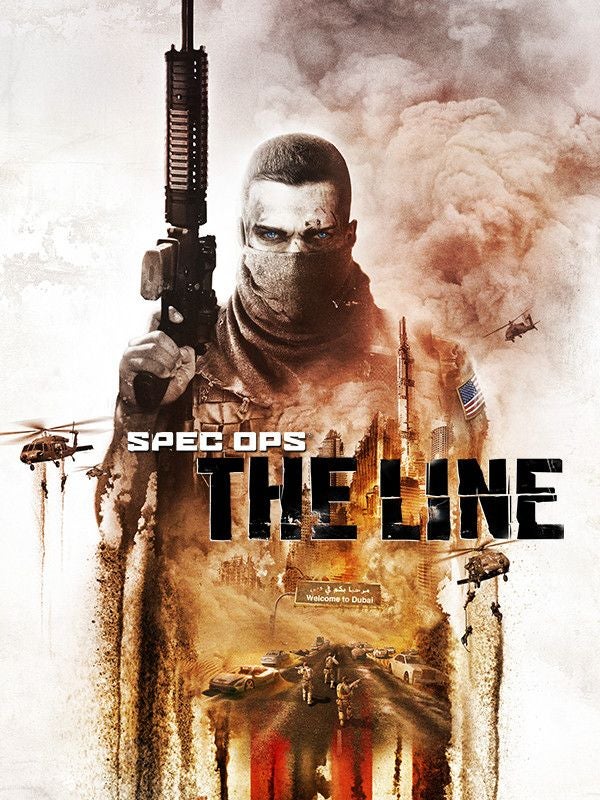
Third-person shooter Spec Ops: The Line has been removed from sale from Steam due to expiring “partnership licenses”, according to a representative for 2K Games.
Before the official reasoning was given, speculation surrounding the delisting had focused on the game’s soundtrack and the possibility that music license have expired. The soundtrack features songs by Jimi Hendrix, Alice In Chains, and Björk, among others. At the time of writing, Spec Ops remains available from GOG and Humble , but given the mention of “online storefronts” rather than simply Steam in the statement, I suspect it won’t last on either store for long.
“Makes no sense - especially because the themes portrayed in @SpecOpsTheLine are more relevant now than ever. Why has this happened @2k @Steam?” tweeted game director Cory Davis earlier this morning .
Originally released in 2012, Spec Ops: The Line is fondly remembered for being a military shooter with something to say about war beyond “fuck yeah, humvees!”. Much like a pleasant stroll on a warm spring day, it left Alec feeling “abjectly awful”, as he expressed in his review - although in Spec Op’s case, it was intentional.
It is not uncommon for games to disappear from sale, particularly for licensing issues. If I was to grieve the loss of a sun-and-sand odyssey into the heart of of man, I’d shed tears for Outrun 2006: Coast 2 Coast before Spec Ops: The Line, but your heart may be full of different stuff than mine.
This story has been updated to include the statement from 2K Games.
Spec Ops: The Line
PS3 , Xbox 360 , PC , Mac
Rock Paper Shotgun is better when you sign in
Sign in and join us on our journey to discover strange and compelling PC games.

All 75 Arc Raiders Blueprints and where to get them
These areas have the highest chance of giving you Blueprints
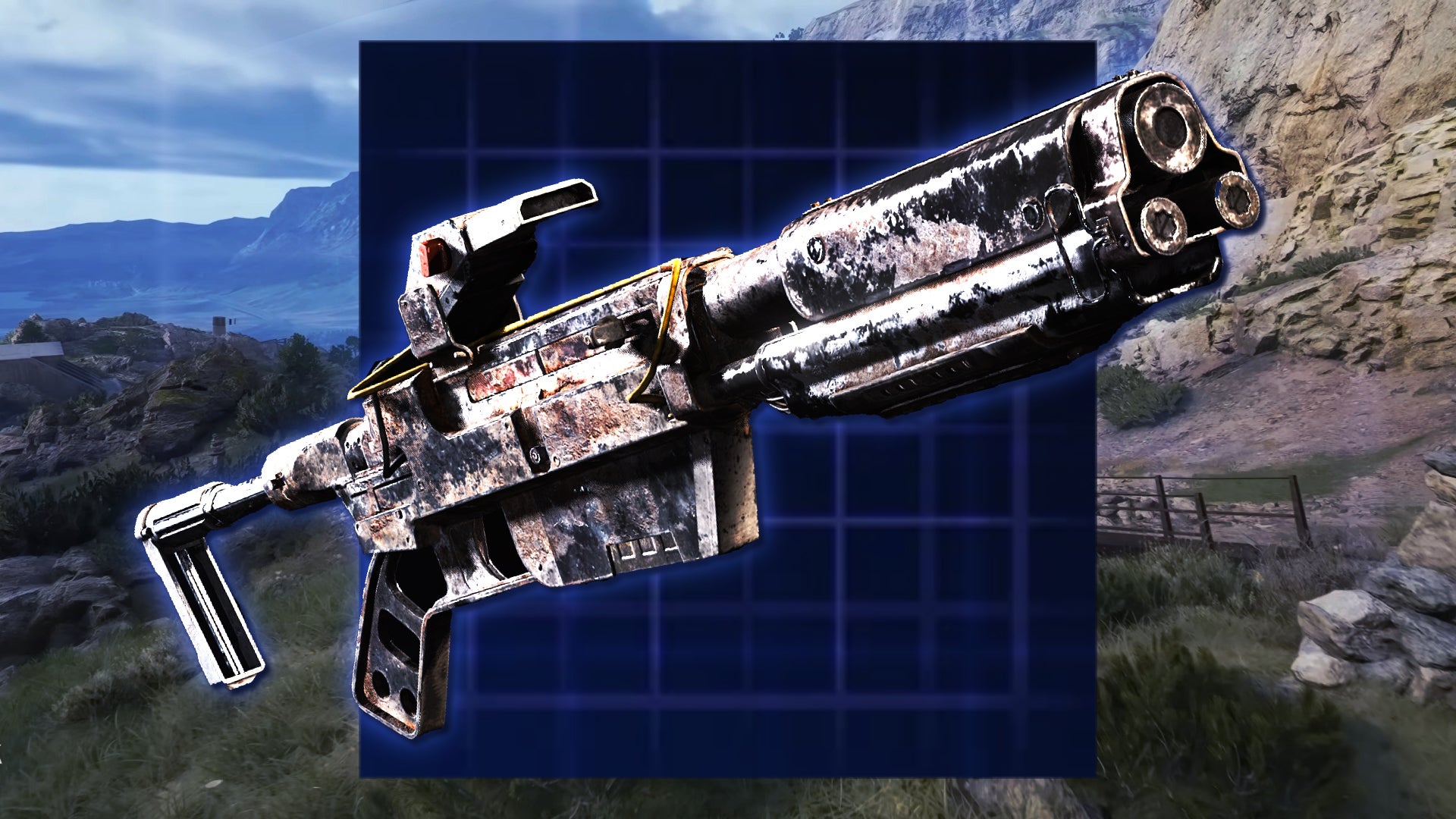
Image credit:Rock Paper Shotgun/Embark Studios

Looking for more Arc Raiders Blueprints? It’s a special day when you find a Blueprint, as they’re among the most valuable items in Arc Raiders. If you find a Blueprint that you haven’t already found, then you must make sure you hold onto it at all costs, because Blueprints are the key to one of the most important and powerful systems of meta-progression in the game.
This guide aims to be the very best guide on Blueprints you can find, starting with a primer on what exactly they are and how they work in Arc Raiders, before delving into exactly where to get Blueprints and the very best farming spots for you to take in your search.
We’ll also go over how to get Blueprints from other unlikely activities, such as destroying Surveyors and completing specific quests. And you’ll also find the full list of all 75 Blueprints in Arc Raiders on this page (including the newest Blueprints added with the Cold Snap update , such as the Deadline Blueprint and Firework Box Blueprint), giving you all the information you need to expand your own crafting repertoire.
In this guide:
- What are Blueprints in Arc Raiders?
- Full Blueprint list: All crafting recipes
- Where to find Blueprints in Arc Raiders Blueprints obtained from quests Blueprints obtained from Trials Best Blueprint farming locations

What are Blueprints in Arc Raiders?
Blueprints in Arc Raiders are special items which, if you manage to extract with them, you can expend to permanently unlock a new crafting recipe in your Workshop. If you manage to extract from a raid with an Anvil Blueprint, for example, you can unlock the ability to craft your very own Anvil Pistol, as many times as you like (as long as you have the crafting materials).
To use a Blueprint, simply open your Inventory while in the lobby, then right-click on the Blueprint and click “Learn And Consume” . This will permanently unlock the recipe for that item in your Workshop. As of the Stella Montis update, there are allegedly 75 different Blueprints to unlock - although only 68 are confirmed to be in the game so far. You can see all the Blueprints you’ve found and unlocked by going to the Workshop menu, and hitting “R” to bring up the Blueprint screen.
It’s possible to find duplicates of past Blueprints you’ve already unlocked. If you find these, then you can either sell them, or - if you like to play with friends - you can take it into a match and gift it to your friend so they can unlock that recipe for themselves. Another option is to keep hold of them until the time comes to donate them to the Expedition.
Full Blueprint list: All crafting recipes
Below is the full list of all the Blueprints that are currently available to find in Arc Raiders, and the crafting recipe required for each item:
| Blueprint | Type | Recipe | Crafted At |
|---|---|---|---|
| Bettina | Weapon | 3x Advanced Mechanical Components 3x Heavy Gun Parts 3x Canister | Gunsmith 3 |
| Blue Light Stick | Quick Use | 3x Chemicals | Utility Station 1 |
| Aphelion | Weapon | 3x Magnetic Accelerator 3x Complex Gun Parts 1x Matriarch Reactor | Gunsmith 3 |
| Combat Mk. 3 (Flanking) | Augment | 2x Advanced Electrical Components 3x Processor | Gear Bench 3 |
| Combat Mk. 3 (Aggressive) | Augment | 2x Advanced Electrical Components 3x Processor | Gear Bench 3 |
| Complex Gun Parts | Material | 2x Light Gun Parts 2x Medium Gun Parts 2x Heavy Gun Parts | Refiner 3 |
| Fireworks Box | Quick Use | 1x Explosive Compound 3x Pop Trigger | Explosives Station 2 |
| Gas Mine | Mine | 4x Chemicals 2x Rubber Parts | Explosives Station 1 |
| Green Light Stick | Quick Use | 3x Chemicals | Utility Station 1 |
| Pulse Mine | Mine | 1x Crude Explosives 1x Wires | Explosives Station 1 |
| Seeker Grenade | Grenade | 1x Crude Explosives 2x ARC Alloy | Explosives Station 1 |
| Looting Mk. 3 (Survivor) | Augment | 2x Advanced Electrical Components 3x Processor | Gear Bench 3 |
| Angled Grip II | Mod | 2x Mechanical Components 3x Duct Tape | Gunsmith 2 |
| Angled Grip III | Mod | 2x Mod Components 5x Duct Tape | Gunsmith 3 |
| Hullcracker | Weapon | 1x Magnetic Accelerator 3x Heavy Gun Parts 1x Exodus Modules | Gunsmith 3 |
| Launcher Ammo | Ammo | 5x Metal Parts 1x Crude Explosives | Workbench 1 |
| Anvil | Weapon | 5x Mechanical Components 5x Simple Gun Parts | Gunsmith 2 |
| Anvil Splitter | Mod | 2x Mod Components 3x Processor | Gunsmith 3 |
| ??? | ??? | ??? | ??? |
| Barricade Kit | Quick Use | 1x Mechanical Components | Utility Station 2 |
| Blaze Grenade | Grenade | 1x Explosive Compound 2x Oil | Explosives Station 3 |
| Bobcat | Weapon | 3x Advanced Mechanical Components 3x Light Gun Parts | Gunsmith 3 |
| Osprey | Weapon | 2x Advanced Mechanical Components 3x Medium Gun Parts 7x Wires | Gunsmith 3 |
| Burletta | Weapon | 3x Mechanical Components 3x Simple Gun Parts | Gunsmith 1 |
| Compensator II | Mod | 2x Mechanical Components 4x Wires | Gunsmith 2 |
| Compensator III | Mod | 2x Mod Components 8x Wires | Gunsmith 3 |
| Defibrillator | Quick Use | 9x Plastic Parts 1x Moss | Medical Lab 2 |
| ??? | ??? | ??? | ??? |
| Equalizer | Weapon | 3x Magnetic Accelerator 3x Complex Gun Parts 1x Queen Reactor | Gunsmith 3 |
| Extended Barrel | Mod | 2x Mod Components 8x Wires | Gunsmith 3 |
| Extended Light Mag II | Mod | 2x Mechanical Components 3x Steel Spring | Gunsmith 2 |
| Extended Light Mag III | Mod | 2x Mod Components 5x Steel Spring | Gunsmith 3 |
| Extended Medium Mag II | Mod | 2x Mechanical Components 3x Steel Spring | Gunsmith 2 |
| Extended Medium Mag III | Mod | 2x Mod Components 5x Steel Spring | Gunsmith 3 |
| Extended Shotgun Mag II | Mod | 2x Mechanical Components 3x Steel Spring | Gunsmith 2 |
| Extended Shotgun Mag III | Mod | 2x Mod Components 5x Steel Spring | Gunsmith 3 |
| Remote Raider Flare | Quick Use | 2x Chemicals 4x Rubber Parts | Utility Station 1 |
| Heavy Gun Parts | Material | 4x Simple Gun Parts | Refiner 2 |
| Venator | Weapon | 2x Advanced Mechanical Components 3x Medium Gun Parts 5x Magnet | Gunsmith 3 |
| Il Toro | Weapon | 5x Mechanical Components 6x Simple Gun Parts | Gunsmith 1 |
| Jolt Mine | Mine | 1x Electrical Components 1x Battery | Explosives Station 2 |
| Explosive Mine | Mine | 1x Explosive Compound 1x Sensors | Explosives Station 3 |
| Jupiter | Weapon | 3x Magnetic Accelerator 3x Complex Gun Parts 1x Queen Reactor | Gunsmith 3 |
| Light Gun Parts | Material | 4x Simple Gun Parts | Refiner 2 |
| Lightweight Stock | Mod | 2x Mod Components 5x Duct Tape | Gunsmith 3 |
| Lure Grenade | Grenade | 1x Speaker Component 1x Electrical Components | Utility Station 2 |
| Medium Gun Parts | Material | 4x Simple Gun Parts | Refiner 2 |
| Torrente | Weapon | 2x Advanced Mechanical Components 3x Medium Gun Parts 6x Steel Spring | Gunsmith 3 |
| Muzzle Brake II | Mod | 2x Mechanical Components 4x Wires | Gunsmith 2 |
| Muzzle Brake III | Mod | 2x Mod Components 8x Wires | Gunsmith 3 |
| Padded Stock | Mod | 2x Mod Components 5x Duct Tape | Gunsmith 3 |
| Shotgun Choke II | Mod | 2x Mechanical Components 4x Wires | Gunsmith 2 |
| Shotgun Choke III | Mod | 2x Mod Components 8x Wires | Gunsmith 3 |
| Shotgun Silencer | Mod | 2x Mod Components 8x Wires | Gunsmith 3 |
| Showstopper | Grenade | 1x Advanced Electrical Components 1x Voltage Converter | Explosives Station 3 |
| Silencer I | Mod | 2x Mechanical Components 4x Wires | Gunsmith 2 |
| Silencer II | Mod | 2x Mod Components 8x Wires | Gunsmith 3 |
| Snap Hook | Quick Use | 2x Power Rod 3x Rope 1x Exodus Modules | Utility Station 3 |
| Stable Stock II | Mod | 2x Mechanical Components 3x Duct Tape | Gunsmith 2 |
| Stable Stock III | Mod | 2x Mod Components 5x Duct Tape | Gunsmith 3 |
| Tagging Grenade | Grenade | 1x Electrical Components 1x Sensors | Utility Station 3 |
| Tempest | Weapon | 3x Advanced Mechanical Components 3x Medium Gun Parts 3x Canister | Gunsmith 3 |
| Trigger Nade | Grenade | 2x Crude Explosives 1x Processor | Explosives Station 2 |
| Vertical Grip II | Mod | 2x Mechanical Components 3x Duct Tape | Gunsmith 2 |
| Vertical Grip III | Mod | 2x Mod Components 5x Duct Tape | Gunsmith 3 |
| Vita Shot | Quick Use | 2x Antiseptic 1x Syringe | Medical Lab 3 |
| Vita Spray | Quick Use | 3x Antiseptic 1x Canister | Medical Lab 3 |
| Vulcano | Weapon | 1x Magnetic Accelerator 3x Heavy Gun Parts 1x Exodus Modules | Gunsmith 3 |
| Wolfpack | Grenade | 2x Explosive Compound 2x Sensors | Explosives Station 3 |
| Red Light Stick | Quick Use | 3x Chemicals | Utility Station 1 |
| Smoke Grenade | Grenade | 14x Chemicals 1x Canister | Utility Station 2 |
| Deadline | Mine | 3x Explosive Compound 2x ARC Circuitry | Explosives Station 3 |
| Trailblazer | Grenade | 1x Explosive Compound 1x Synthesized Fuel | Explosives Station 3 |
| Tactical Mk. 3 (Defensive) | Augment | 2x Advanced Electrical Components 3x Processor | Gear Bench 3 |
| Tactical Mk. 3 (Healing) | Augment | 2x Advanced Electrical Components 3x Processor | Gear Bench 3 |
| Yellow Light Stick | Quick Use | 3x Chemicals | Utility Station 1 |
Note: The missing Blueprints in this list likely have not actually been added to the game at the time of writing, because none of the playerbase has managed to find any of them. As they are added to the game, I will update this page with the most relevant information so you know exactly how to get all 75 Arc Raiders Blueprints.
Where to find Blueprints in Arc Raiders
Below is a list of all containers, modifiers, and events which maximise your chances of finding Blueprints:
- Certain quests reward you with specific Blueprints .
- Completing Trials has a high chance of offering Blueprints as rewards.
- Surveyors have a decent chance of dropping Blueprints on death.
- High loot value areas tend to have a greater chance of spawning Blueprints.
- Night Raids and Storms may increase rare Blueprint spawn chances in containers.
- Containers with higher numbers of items may have a higher tendency to spawn Blueprints. As a result, Blue Gate (which has many “large” containers containing multiple items) may give you a higher chance of spawning Blueprints.
- Raider containers (Raider Caches, Weapon Boxes, Medical Bags, Grenade Tubes) have increased Blueprint drop rates. As a result, the Uncovered Caches event gives you a high chance of finding Blueprints.
- Security Lockers have a higher than average chance of containing Blueprints.
- Certain Blueprints only seem to spawn under specific circumstances: Tempest Blueprint only spawns during Night Raid events. Vulcano Blueprint only spawns during Hidden Bunker events. Jupiter and Equaliser Blueprints only spawn during Harvester events.
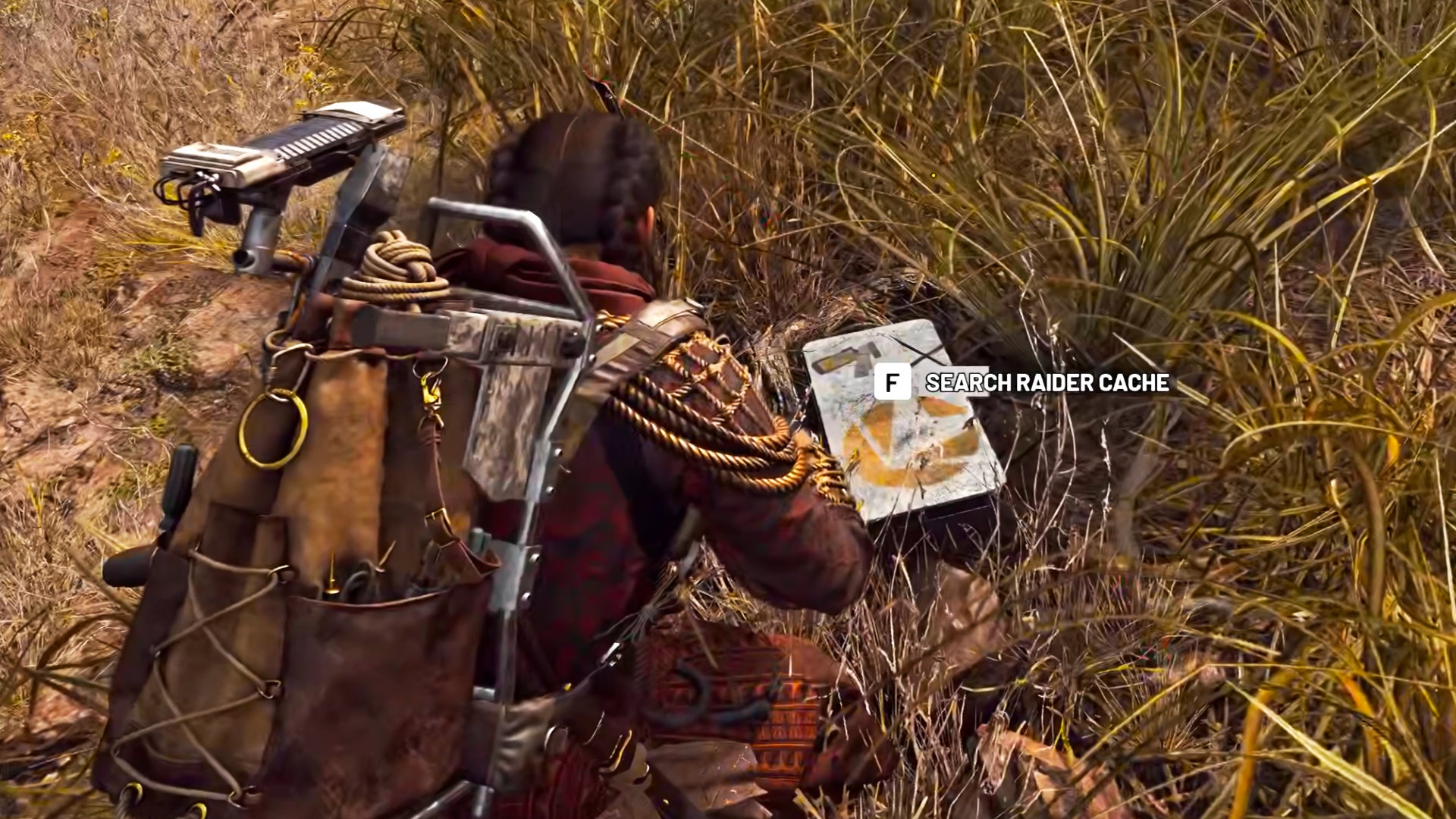
Raider Caches, Weapon Boxes, and other raider-oriented container types have a good chance of offering Blueprints. |Image credit:Rock Paper Shotgun/Embark Studios
Blueprints have a very low chance of spawning in any container in Arc Raiders, around 1-2% on average. However, there is a higher chance of finding Blueprints in particular container types. Specifically, you can find more Blueprints in Raider containers and security lockers.
Beyond this, if you’re looking for Blueprints you should focus on regions of the map which are marked as having particularly high-value loot. Areas such as the Control Tower in Dam Battlegrounds, the Arrival and Departure Buildings in Spaceport, and Pilgrim’s Peak in Blue Gate all have a better-than-average chance of spawning Blueprints somewhere amongst all their containers. Night Raids and Electromagnetic Storm events also increase the drop chances of certain Blueprints .
In addition to these containers, you can often loot Blueprints from destroyed Surveyors - the largest of the rolling ball ARC. Surveyors are more commonly found on the later maps - Spaceport and Blue Gate - and if one spawns in your match, you’ll likely see it by the blue laser beam that it casts into the sky while “surveying”.
Surveyors are quite well-armoured and will very speedily run away from you once it notices you, but if you can take one down then make sure you loot all its parts for a chance of obtaining certain unusual Blueprints.
Blueprints obtained from quests
One way in which you can get Blueprints is by completing certain quests for the vendors in Speranza. Some quests will reward you with a specific item Blueprint upon completion, so as long as you work through all the quests in Arc Raiders, you are guaranteed those Blueprints.
Here is the full list of all Blueprints you can get from quest rewards:
- Trigger Nade Blueprint: Rewarded after completing “Sparks Fly”.
- Lure Grenade Blueprint: Rewarded after completing “Greasing Her Palms”.
- Burletta Blueprint: Rewarded after completing “Industrial Espionage”.
- Hullcracker Blueprint (and Launcher Ammo Blueprint): Rewarded after completing “The Major’s Footlocker”.
Alas, that’s only 4 Blueprints out of a total of 75 to unlock, so for the vast majority you will need to find them yourself during a raid. If you’re intent on farming Blueprints, then it’s best to equip yourself with cheap gear in case you lose it, but don’t use a free loadout because then you won’t get a safe pocket to stash any new Blueprint you find. No pain in Arc Raiders is sharper than failing to extract with a new Blueprint you’ve been after for a dozen hours already.
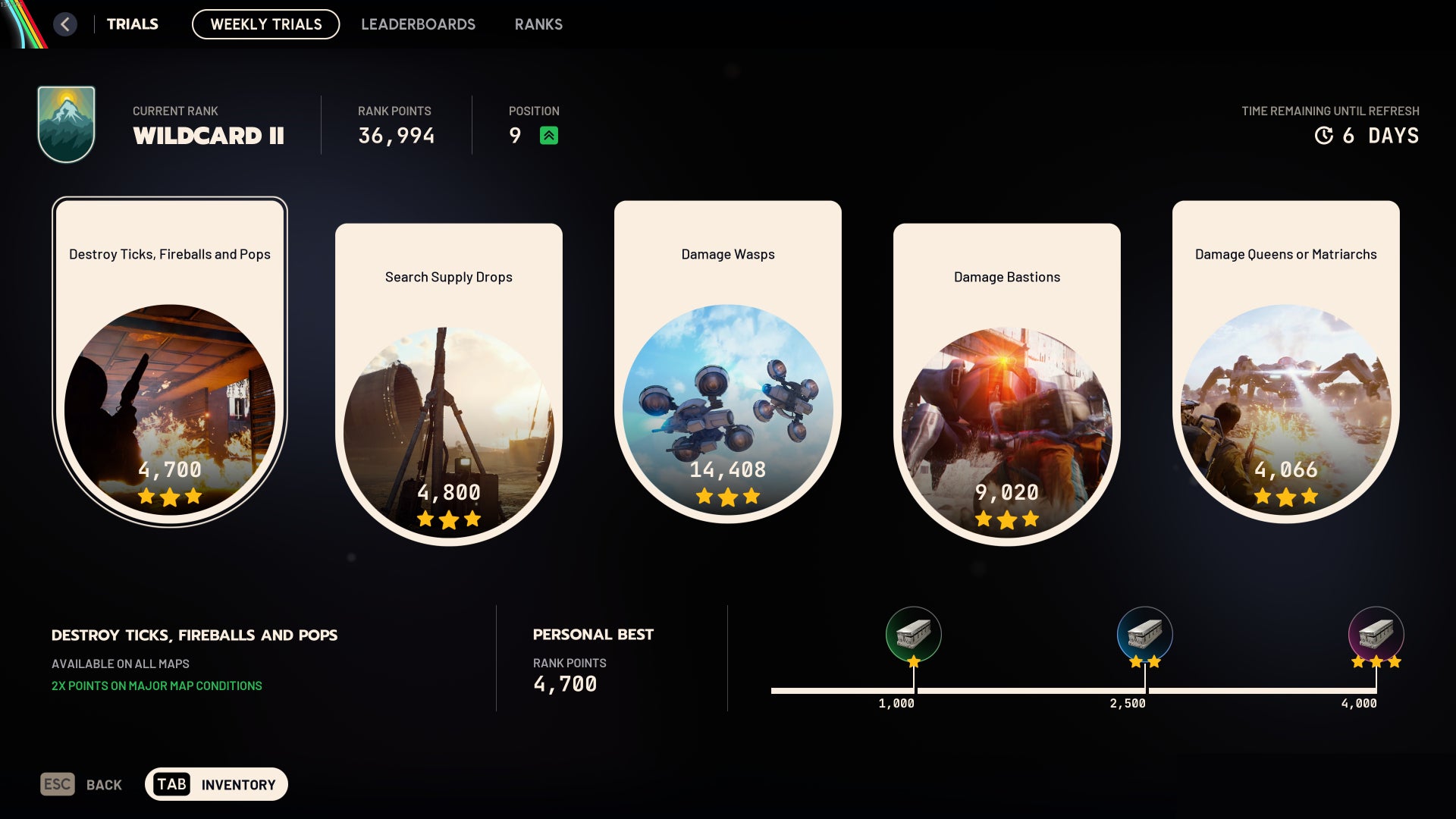
One of the best ways to get Blueprints is by hitting three stars on all five Trials every week. |Image credit:Rock Paper Shotgun/Embark Studios
Blueprints obtained from Trials
One of the very best ways to get Blueprints is as rewards for completing Trials in Arc Raiders. Trials are unlocked from Level 15 onwards, and allow you to earn rewards by focusing on certain tasks over the course of several raids. For example, one Trial might task you with dealing damage to Hornets, while another might challenge you to loot Supply Drops.
Trials refresh on a weekly basis, with a new week bringing five new Trials. Each Trial can offer up to three rewards after passing certain score milestones, and it’s possible to receive very high level loot from these reward crates - including Blueprints. So if you want to unlock as many Blueprints as possible, you should make a point of completing as many Trials as possible each week.
Best Blueprint farming locations
The very best way to get Blueprints is to frequent specific areas of the maps which combine high-tier loot pools with the right types of containers to search. Here are my recommendations for where to find Blueprints on every map, so you can always keep the search going for new crafting recipes to unlock.
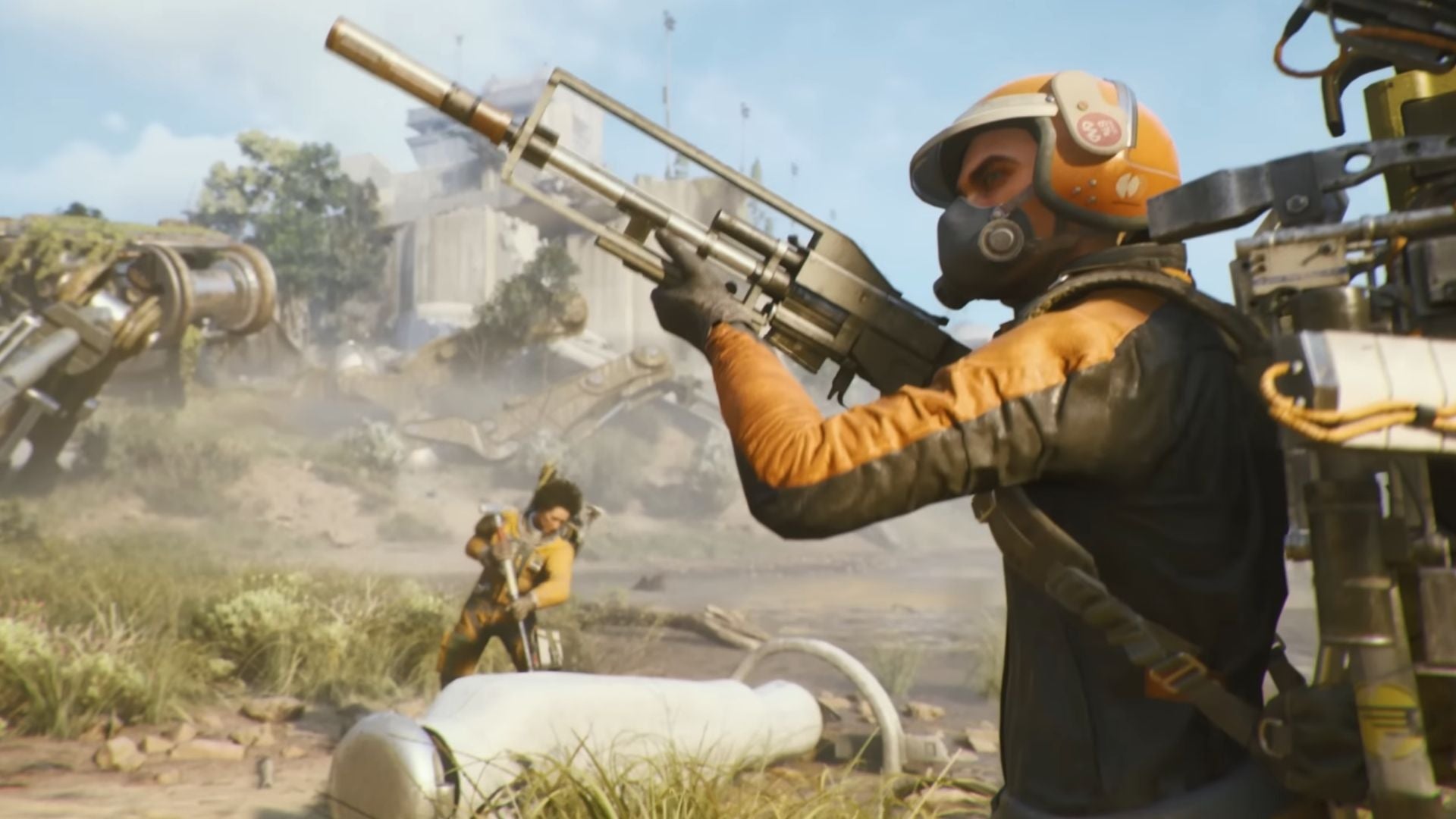
Image credit:Rock Paper Shotgun/Embark Studios
Dam Battlegrounds
The best places to farm Blueprints on Dam Battlegrounds are the Control Tower, Power Generation Complex, Ruby Residence, and Pale Apartments . The first two regions, despite only being marked on the map as mid-tier loot, contain a phenomenal number of containers to loot. The Control Tower can also contain a couple of high-tier Security Lockers - though of course, you’ll need to have unlocked the Security Breach skill at the end of the Survival tree.
There’s also a lot of reporting amongst the playerbase that the Residential areas in the top-left of the map - Pale Apartments and Ruby Residence - give you a comparatively strong chance of finding Blueprints. Considering their size, there’s a high density of containers to loot in both locations, and they also have the benefit of being fairly out of the way. So you’re more likely to have all the containers to yourself.
Buried City
The best Blueprint farming locations on Buried City are the Santa Maria Houses, Grandioso Apartments, Town Hall, and the various buildings of the New District . Grandioso Apartments has a lower number of containers than the rest, but a high chance of spawning weapon cases - which have good Blueprint drop rates. The others are high-tier loot areas, with plenty of lootable containers - including Security Lockers.
Spaceport
The best places to find Blueprints on Spaceport are the Arrival and Departure Buildings, as well as Control Tower A6 and the Launch Towers . All these areas are labelled as high-value loot regions, and many of them are also very handily connected to one another by the Spaceport wall, which you can use to quickly run from one area to the next. At the tops of most of these buildings you’ll find at least one Security Locker, so this is an excellent farming route for players looking to find Blueprints.
The downside to looting Blueprints on Spaceport is that all these areas are hotly contested, particularly in Duos and Squads. You’ll need to be very focused and fast in order to complete the full farming route.
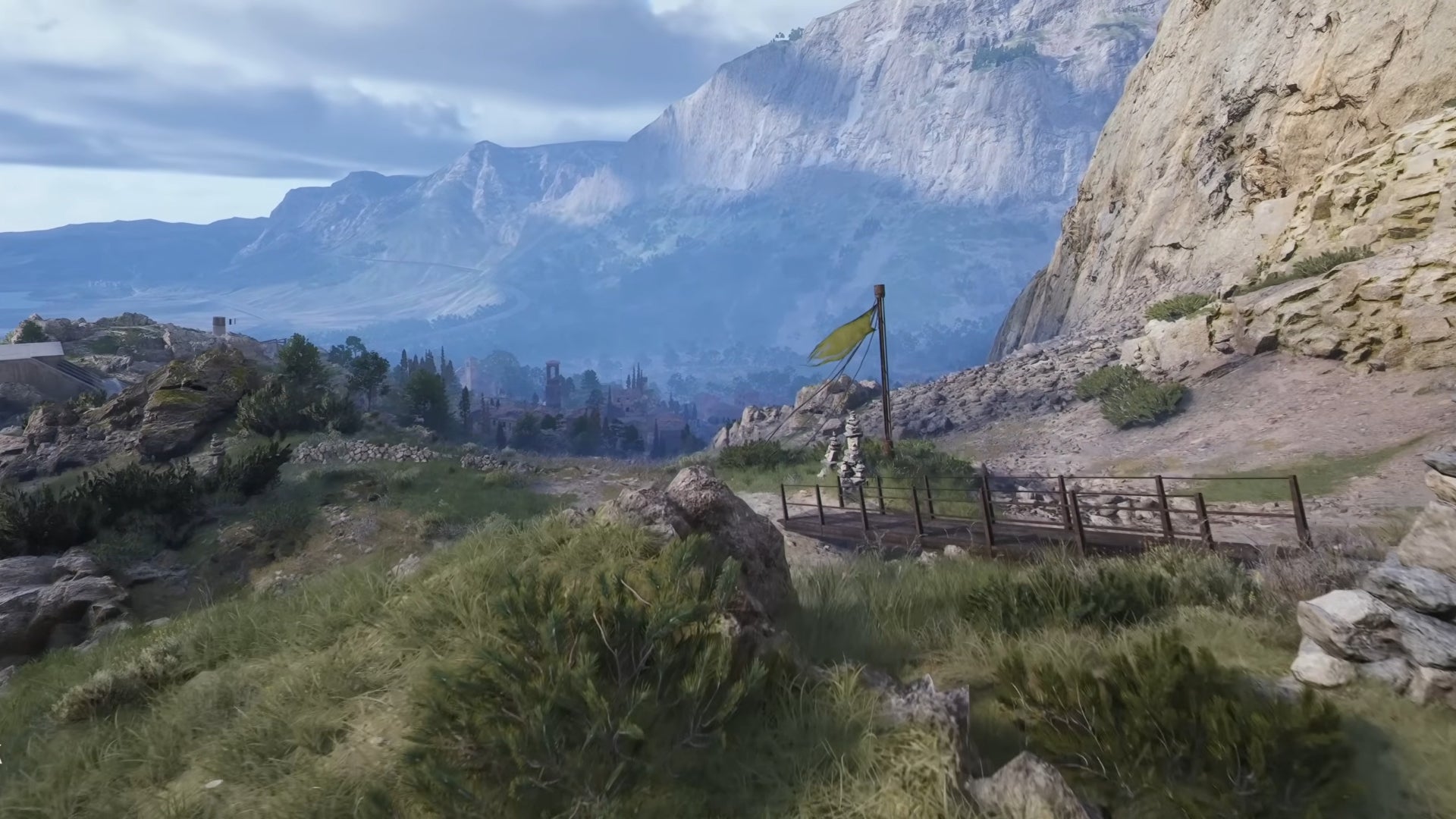
Image credit:Rock Paper Shotgun/Embark Studios
Blue Gate
Blue Gate tends to have a good chance of dropping Blueprints, potentially because it generally has a high number of containers which can hold lots of items; so there’s a higher chance of a Blueprint spawning in each container. In my experience, the best Blueprint farming spots on Blue Gate are Pilgrim’s Peak, Raider’s Refuge, the Ancient Fort, and the Underground Complex beneath the Warehouse .
All of these areas contain a wealth of containers to loot. Raider’s Refuge has less to loot, but the majority of the containers in and around the Refuge are raider containers, which have a high chance of containing Blueprints - particularly during major events.
Stella Montis
On the whole, Stella Montis seems to have a very low drop rate for Blueprints (though a high chance of dropping other high-tier loot). If you do want to try farming Blueprints on this map, the best places to find Blueprints in Stella Montis are Medical Research, Assembly Workshop, and the Business Center . These areas have the highest density of containers to loot on the map.
In addition to this, the Western Tunnel has a few different Security Lockers to loot, so while there’s very little to loot elsewhere in this area of the map, it’s worth hitting those Security Lockers if you spawn there at the start of a match.
That wraps up this primer on how to get all the Blueprints in Arc Raiders as quickly as possible. With the Expedition system constantly resetting a large number of players’ Blueprints, it’s more important than ever to have the most up-to-date information on where to find all these Blueprints.
While you’re here, be sure to check out our Arc Raiders best guns tier list , as well as our primers on the best skills to unlock and all the different Field Depot locations on every map.
ARC Raiders
PS5 , Xbox Series X/S , PC
Rock Paper Shotgun is better when you sign in
Sign in and join us on our journey to discover strange and compelling PC games.
Spec Ops, FC3 Writers On What’s Next, Futurism, BioShock
Williams Vs Yohalem Part The Last

Who shoots the shooters? Well, I don’t think Spec Ops: The Line and Far Cry 3 writers Walt Williams and Jeffrey Yohalem have ever shot anybody, but they are attempting to skewer gaming’s shooter genre – or at least give it a good paddling. In the previous two installments of this gigantic chat, we discussed everything from the art of critique, to violence, to the effect of treating gamers like they’re stupid, to Dante’s Inferno and the Sistine Chapel. Seriously. It’s been a very long and interesting road, but now we’re finally at its end. In this thrill-a-millisecond conclusion, we discuss real, long-form criticism of games (including that one guy who wrote a book about Spec Ops ), what’s next for these sorts of dissection of videogame culture, games as tools for exploring the future, and where games like BioShock Infinite fit into that.
RPS: In regards to players (usually correctly) assuming games are going to tell them a dumb story full of shallow, offensive moments and characters, we have seen the slight beginnings of a movement away from that. Walt, where do you think things like Brendan Keogh’s book about Spec Ops, Killing is Harmless , fit into all this?
Williams: Brendan and I actually had the opportunity to sit down and talk about that. I have not read the book. I own it, I printed it out, bound, and I’ve read parts of it. But I haven’t read all of it yet. As a creator, I didn’t know how to interact with it, because no one had ever looked at, one, a game that deeply. Two, it’s just odd to me. I didn’t really know exactly how I was supposed to interact with him or his work.
The world is much smaller. He and I had spoken on Twitter and things. I had a couple of things that I had noticed. There were some things he had pointed out that were absolutely, totally correct, and in reviews of the book online, people were slagging him and saying, “That’s totally wrong. That’s not in there. You’re seeing things. You’re digging too deep. You’re literally finding things that are not there and just writing a book about it.”
But the thing is, they actually are there. I was like, “Should I jump in? Should I let them know that this guy’s right? Or should I [hold off]?” Because ultimately critical discussion is discussion. Once the work is out there, as the author, am I supposed to say anything else that is directly involved in the discussion, or am I simply supposed to let it be out there and have people debate and discuss it? And I genuinely still don’t know the answer to that [laughs].

Yohalem: It’s interesting that you bring this up, because it’s not a new problem. Joseph Turner, the painter… John Ruskin wrote all this stuff about Turner, saying, “Oh, you’ve created this new movement, here are the rules of the movement that you created,” and Turner was like, “I wasn’t trying to create anything.” Whenever Ruskin would approach Turner in a room, Turner would leave. And Ruskin was like, “Come on, I love your work, talk to me!” And Turner was like, “No. I don’t know what to do with this.” That’s the same experience.
Williams: The thing is, having met Brendan, I think his writing is fantastic. I really want to hang out with this guy more. Now that I’ve actually met him and we sat down and talked, I do feel much more comfortable about reading him. I’m going to finish his book this week when I go home.
But there is something… We’re broaching into a new area, and I think what Brendan has done is amazing. I think it’s necessary, and I can’t wait to see more of critics going deeper into these works. I think it’s going to inspire creators to make games that [really go places].
Yohalem: Critics will have this incredible opportunity. They get to play this incredible game where they go deeply into a work and look at it. I think that makes their job more fun. As creators, we can make their life more interesting. As a critic, you can go, “Wow, this is a really rich work that I can sink my teeth into.” That should be exciting.
Williams: Yeah. Especially like we were saying earlier, how turning the game off is a choice. It is for everyone except you guys. Especially if you’re getting paid to review it, you have to play the whole thing.
Yohalem: We want to give you that drink of water in the desert.

Williams: You are the guys that we ultimately get to interact with when it’s done. We get to sit down and have these conversations. Occasionally I do get to meet a gamer and I can talk one-on-one and have an in-depth conversation with them. But 95 percent of the time it’s going to be you guys. That’s where it’s so wonderful to be able to sit down and talk in-depth about the work with someone who has been able to digest it all and think about it and have that back and forth with you.
For better or for worse, this is our life’s work. This is what we put out into the world with our efforts and our blood, sweat, and tears. To know that there is meaning to it and to be able to interact with the people who feel that meaning, obviously it’s my favorite part of the job. Frankly, making games is fucking hard sometimes.
Yohalem: If you really put your heart and soul into it, It’s two years, most of the time. Sometimes longer, sometimes shorter. You give up your life. I ended a relationship because of Far Cry 3 . It was the game’s fault. It’s because, at the end of the day, we want you guys to say, “Aha, you’ve made our lives a little better for that brief moment in time.”
For me, from a very young age, I was terrified about death. The only time I can feel free is when I play something or watch something or read something that transports me out of that fear. I guess that’s kind of like an addiction. It’s that half an hour a day, an hour a day, and then you need more. That, for me, is healthy. It’s like eating.
RPS: So now that both of you have taken your respective steps into starting this deeper discussion, where do you head next? How do you continue it? How should the gaming industry continue it?
Williams: Honestly, I don’t know that I have much more to say on it, on the discussion of violence. I feel like I put everything I have to say about it into Spec Ops. I thought a lot about this. When I got into writing games, the trait in myself that I was most proud of as a writer was that I treated it like a service. I am a woodworker. You want a bookshelf? Tell me what kind of bookshelf you want. I will build it. It’ll be straight. It’ll hold your books. It’ll be exactly what you want. I’ll get it done under budget, on time, and it’ll be exactly to specifications. My boss at the time, as I was working on Spec Ops, he said, “What I want is, I want you to make your own bookshelf.” I fought him so hard on this.
Yohalem: Because you’re trained to do that.

Williams: Exactly. Let me just give you what you want! I can do that! He was like, “What I want is your bookshelf.” Finally, Spec Ops ended up… I said something very personal in Spec Ops. Coming off that, I had a very hard time – especially right now in an industry where shooters are really what we like to put out.
Can I write a shooter after this? I could do it simply as a job. I don’t know that I have anything more personal to say about shooters. But even then, if it’s just a job, is that something I actually want to do? It’s very unpalatable to me. The idea of simply taking a step back from everything I said in Spec Ops and saying, “Here are some guns. Have fun, guys.”
I think there’s a way of, if I were working on a shooter again, wanting to… Like I was talking about earlier, with this survival horror kind of thing. Making shooting a very impactful moment throughout an entire game. Treating violence all around more realistically so that you can tell a different type of story through it.
Or simply doing something similar within another genre. Taking the mechanics that we’ve just accepted as they are and treating them realistically. I think RPGs are particularly very open to looking at their mechanics and saying, “Okay, what if this is real throughout the entire world?” Because when you think of an RPG, your mechanics are essentially, “I’m going to kill things until I grow stronger, and then I will be able to defeat the silent evil secretly eating at the world.” That’s like a letter that a serial killer sends to a newspaper. And you’re doing that in a game where you kill too many rabbits and suddenly you’re a farmer who can summon a fucking meteor from the sky. You have control of elemental forces. You can essentially become a god if you want to.
And you’re the only person in the world who has figured this out. Everyone else is sitting around like, “Duhhh…” What happens to that world when suddenly everyone understands how the world works? You’d have an existence where every single one of us could be a god, and the only thing that stands between us and godhood is everybody else.
Yohalem: That’s one thing I like about Infinity Blade, because it actually admits to that. You’re fighting people who have also leveled up with you and it makes sense.

Williams: There’s a lot of interesting things to discover there, but also, I just think, looking towards the future of the medium, I think we’re at a point where – because we’re now more critical about what we’re doing – we should become the new generation of futurists. We are an incredibly intelligent industry. By that I just mean the collective intelligence of the people in it. Instead of just continuing to re-create the brutishness of our world, [we should do more].
I kinda compare it to Star Trek. Gene Roddenberry had this vision of the future. Kids grew up watching it. 20-30 years down the line they took the ideas and things that they saw and they started building these technologies, like, “I want to bring that into the world.” We as creators, I’m not saying we have to move away from games that have violence, but trying to genuinely discover new ways of approaching violence and conflict resolution [is something we should do].
We can create any technology we want, because our entire world is made of simulations. We can inspire future generations to build, in reality, the concepts that we’re prototyping now in these simulated worlds. We literally could define the future, and define future societies, rather than focusing on simply what the world is like and justifying doing these horrible things over and over. That’s what I’d love to do.
Now, convincing a publisher to let me do that, that’s a whole ‘nother step [laughs]. But I think that’s where we’re heading. It’s going to be amazing when we start to do that, because there are so many brilliant people in this industry. Far more brilliant than I will ever be. I think that when we really start applying our minds and our brainpower to coming up with new answers to things like interactions and conflict resolution and all this, it’s going to blow everyone away. We just have to get there.

Yohalem: The goal of Far Cry 3 for me was to create a modern game. The idea was, all these other games are about target practice. They’re about hunting and gathering. They’re these primitive activities. They aren’t very valid in today’s society. What would a modern game be? To me, a modern game would be one that looks at something like gamification, which is this new social trend, and says, “Okay, let’s do a game that shows you what gamification does to your brain.” So that when, in reality, someone tries to do that to my brain, I run. Or, if I love it, then I say, “Yes, I love that. Give me more of that.”
But at least you know. The game is packed with it. So in Far Cry 3 you practice dealing with gamification’s effects on people. Hopefully that helps you in your own life. If it doesn’t, then I don’t think it’s effective. Like you said, games should be this way of showing what the world is. Again I’d point to Sweatshop, because that’s like… I play it and all of a sudden I understand something about the way the world works that I didn’t before. And I can also create a new way that the world works, like Star Trek did. I can live it and see how it goes.
So for me, with Far Cry 3, I tried to create the definitive shooter. It said everything I could possibly say about the shooting mechanic and about systems. That’s what the game is about. To me, it says everything I have to say about that. And so what I’m working on next is very different. I don’t think I can make a shooter right now. Maybe at some point there will be more to say if some of the mechanics change. If the mechanics are identical then there’s nothing more I can say, because that was the story about those mechanics.
RPS: Spec Ops, unfortunately, didn’t sell very well, and Far Cry 3 sold more on its super satisfying mechanics than the meaning behind them. So, I mean, are we in a place where this discussion can continue? Will publishers accept more pitches like this when history’s made it seem like a not particularly great idea?
Williams: It’s different when you’re saying creators in general versus triple-A. Ultimately, if sales show that gamers aren’t interested in a game that will narratively take them a bit deeper into the things that they’re doing, then admittedly, a publisher has very good reason to not necessarily do that again. Especially if they’re a publicly traded company.

But that’s also the beauty about the way that currently works. Anyone making games can make a game that speaks to whatever aspect, of gameplay or world or whatever else. Triple-A is just… Like I said earlier, you’re working with someone else’s millions of dollars. The livelihoods of the people on your team and the people in your studio and everything are dependent upon the success of the game. Sometimes you give and you take.
I actually think we could learn a little something from Hollywood in this regard. George Clooney seems to have a very good system working with him where he makes a big movie for a studio, gets some billions of dollars, and then they go, “Here’s the money to make that small black and white film you wanted to make about a newscaster. Have fun. Come back when you’re done and we’ll do Ocean’s Fifteen.” And he goes back and forth.
I think we could learn something for the game market from that. Do your big game that’s going to be a bit more focused on the mass market, then go for something that’s a little bit high-risk, but a little less resource-intensive. It puts more out there in the triple-A market. It gives creative teams room to stretch and grow creatively and feel like they’re flexing their muscles a little bit and distinguishing the things that are mainly focused at reaching a more entertainment-driven audience. I think that’s a model we could learn from and start to implement in how we make triple-A games.
Ultimately, I’d love to see more risky – and as a writer, narrative-driven – triple-A games out there. I mentioned this the other day. BioShock Infinite is going to be a big read on the barometer of where gamers in general are with a game that’s really narrative-driven and really about the emotions that are caught up in that world, and not just someone saying, “Hey, here’s a bunch of actions.” Have you had a chance to play it yet?
[Note: This took place in the middle of GDC]
Yohalem: No.
RPS: I wish.
Williams: Then you, as well, are going to find the barometer when you play it. I was lucky enough to be able to play it a couple of weeks ago when I was out here because 2K is the publisher. So I was in the office and saying, “So, I know we’ve got this game…” Fortunately it was a weekend.

It does narrative stuff in that game that we haven’t really done before in how it merges the narrative into the moment-to-moment gameplay and really just says, “You are in a story.” The authorial intent in BioShock Infinite is very obvious. It’s the story that they want you to experience. The way they implement it in the world in this moment-to-moment gameplay is fantastic.
I think it’s going to really let us know, even more so, how [much players want this]. When Far Cry started off, that game was a bit of barometer on what gamers were willing to accept. I think BioShock Infinite is going to be the next one. Honestly, I think that’s where the industry is going to be for a while, because we’re growing and we’re trying new things. I think The Last Of Us is going to be another one, and Beyond: Two Souls . Any big game Cage puts out is obviously gives us something about what people are willing to accept. There’s always going to be a segment of the audience that’s willing to interact with anything, that will play anything. You just have to find that way of balancing when you’re working in the triple-A market.
Yohalem: There are people who play games, like triple-A games. There’s a number of people who love their mechanics. There’s a huge, huge audience missing. I think we’re on a journey to find that audience. The goal with Far Cry 3 was to look for that. We alienated some of the hardcore players on some level, because we were looking for this other audience. I think that the themes that that audience is searching for are story-driven, mechanic-wise.
James Cameron is actually a great example, because both Titanic and Avatar are almost video games disguised as movies, in the sense that they’re about the world. You’re exploring the world of the ship. You’re exploring the world of this planet. There’s a story about that world, but it’s the world that draws people in. I think BioShock Infinite is another game that does that. I think that audience is there, and we can go in that direction.

We’re trying to forge a path there. There’s a question about whether the audience is ready for this. We’re going off into the woods looking for this other audience.
Williams: Also, I think that we’re just letting the audience know that there’s this [other side to games]. Like I was saying earlier, the audience hasn’t been trained. I think we as creators, when we look at numbers and stuff, I think we forget that gamers can only play what we make. They’re only playing what we give them. And then we’re looking at… “But we gave them that and they didn’t like that.” To use the pizza metaphor again, you gave them a supreme when they wanted pepperoni. You gave them cheese when they really wanted a margherita. That’s the thing. You’ve gotta say, “Hey, guys, we’ve got buffalo wings.” There are other things. It’s just about putting them on the menu.
Ultimately I think Spec Ops didn’t sell because – and I take some of the blame for it – there was the first part of the game that was specifically designed to lure you in to feeling like it was every other military shooter you ever played. That was the demo that got released. Everyone who played that demo says, “I’ve played this game before.” Of course you’re going to think that, because it doesn’t have the next part in the game that says, “No, you haven’t.” They had the part that we could give away for free and feel uncomfortable that we hadn’t given away too much. It was a lot of stuff. We just couldn’t sell the game at first.
That was really one of the main reasons behind pushing any kind of connection to Apocalypse Now, even though it’s really not an Apocalypse Now story. Just the general overlay and conceits of what it’s called and the action that happens in Apocalypse Now. At least it gave players something to connect with going into the concept of the game. Like, “Oh, that’s intriguing, that movie is intriguing, I like that.” Then, when they get into it, “Oh, wait, this is actually totally different from that.” It allowed them to connect with it in a way that said, “Look, this is a modern-day military shooter that’s going to make you think differently about what you’re interacting with,” without saying, “This is what you’re actually going to be interacting with.”

Whether or not that worked to a larger extent to sell the units that we did sell, I don’t know. I’m the writer. There’s a whole part of the industry that I really don’t deal with.
Yohalem: I think we’re trying to create the idea of [authorship] in video games. I think that’s very important. If I play a game by Walt, if I start saying, “This is what a Walt-flavored game is like,” and then I want to be where it brings me, then the next game he makes… It’s just like Gordon Ramsay, the chef, would say. He goes to Spain and he says he’s going to do a tapas restaurant. I go to the Gordon Ramsay tapas restaurant because I appreciate Gordon Ramsay’s vision. So then Gordon Ramsay is introducing me to more ideas.
This is something that I think surfaced a little in Far Cry 3, was that… I wrote Assassin’s Creed: Brotherhood. I thought, “People see Jeffrey as this kind of an author.” When I write Far Cry 3, people come to it and say, “This looks like one thing, but I know Jeffrey, and I know the kind of thing he wrote before. In Brotherhood there were all these strong female characters that actually overcome… They’re actually stronger than all the other men in that game. So it doesn’t make sense that I would create an anti-feminist game. So why is he doing this?”

RPS: Yeah. That comes down to making people more visible in the industry, because right now, we view those as very separate series. People barely factor. Players say, “OK, Assassin’s Creed is one thing, Far Cry 3 is a very different thing.” People look at them and don’t see much of a connection.
Yohalem: You know the quote at the beginning of the game, the Alice quote? Down with Alice, down in the hole. At the beginning of Assassin’s Creed III, Corey, the lead writer for Assassin’s Creed III, we were together on Assassin’s Creed II, we talked about that beforehand. I thought it, very early on, actually was an accident that we both chose that quote. But we worked together. So it was kind of the mindset. Then I caught it and we talked about it, and we said that we were going to leave it, because we wanted the connection. There is an authorial vision behind these that’s not just random.
RPS: Thank you both very, very much for your time.
Far Cry 3
PS4 , Xbox One , PS3 , Xbox 360 , PC
Spec Ops: The Line
PS3 , Xbox 360 , PC , Mac
Rock Paper Shotgun is better when you sign in
Sign in and join us on our journey to discover strange and compelling PC games.
