Monster Hunter Wilds’ listless performance and frame gen misuse plant an oversized axe in the carapace of good PC tech
Nice cheese physics but that’s about it
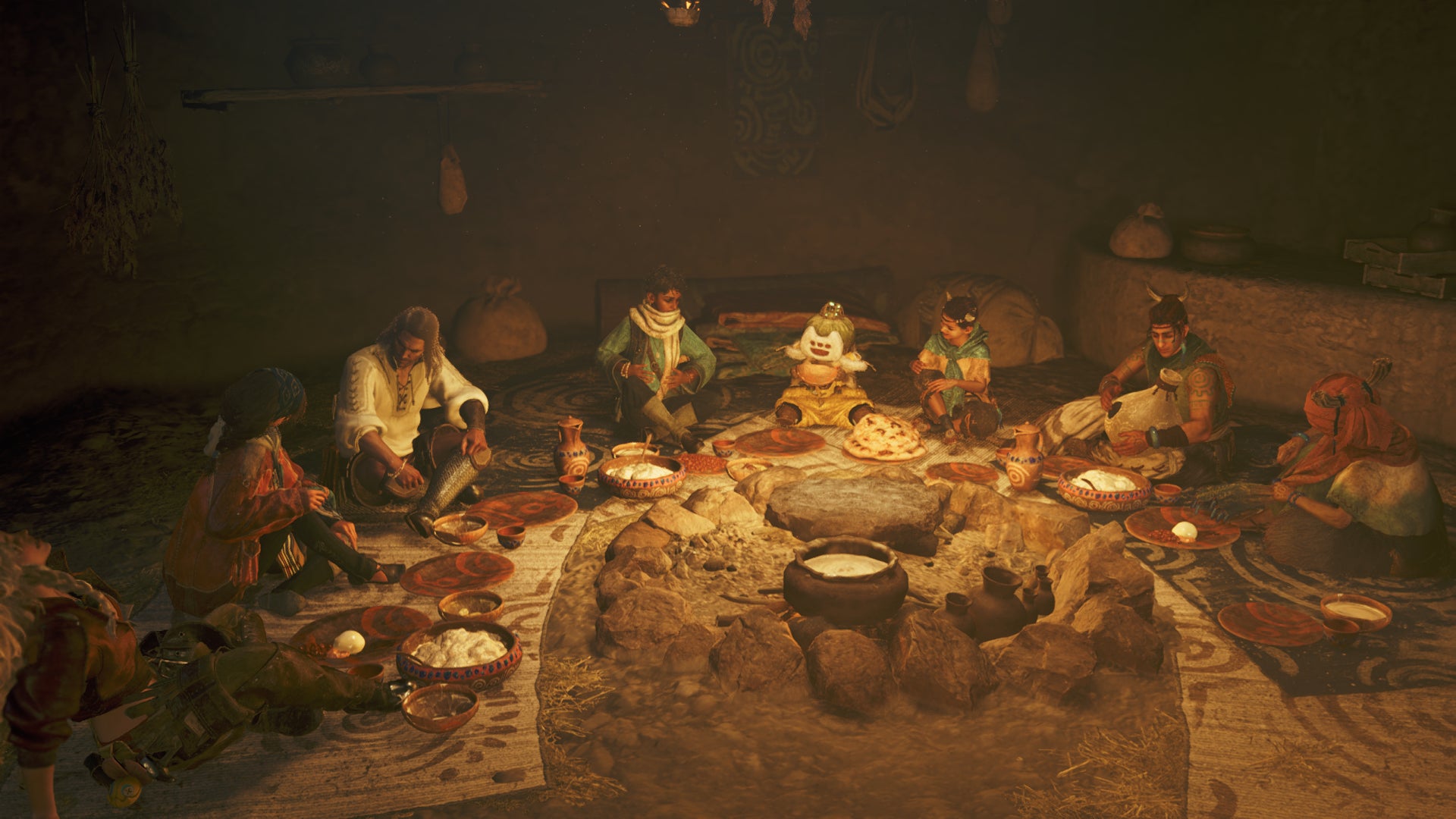
Image credit:Rock Paper Shotgun/Capcom

In hindsight, we probably should have taken Monster Hunter Wilds ’ earlier benchmark tool release as more of a warning. The actual game is every bit the graphics card torture device that standalone tool suggested it might be, and while it doesn’t make DLSS 3 / FSR 3 frame generation mandatory per se , it clearly intends to misappropriate these features, forcing them to act as performance crutches they were never designed as.
What makes this particularly headshakey is that Wilds’ PC version is, initially, quite sympathetic to the format: besides a full set of DLSS/FSR/XeSS upscalers, an unlocked framerate option, Nvidia Reflex support and the like, its thirty-odd individual quality options hint at the finest of fine-tuning possibilities. Yet these, too, aren’t really fit for purpose, with only minor differences in how the highest and lowest settings perform.
More on that below – never let useless settings get in the way of a good settings guide, as grandpappy used to say. First, though, let’s remind ourselves our Wilds’ recently lowered system requirements, and whether they fare better in the game proper than they did in the benchmark tool.
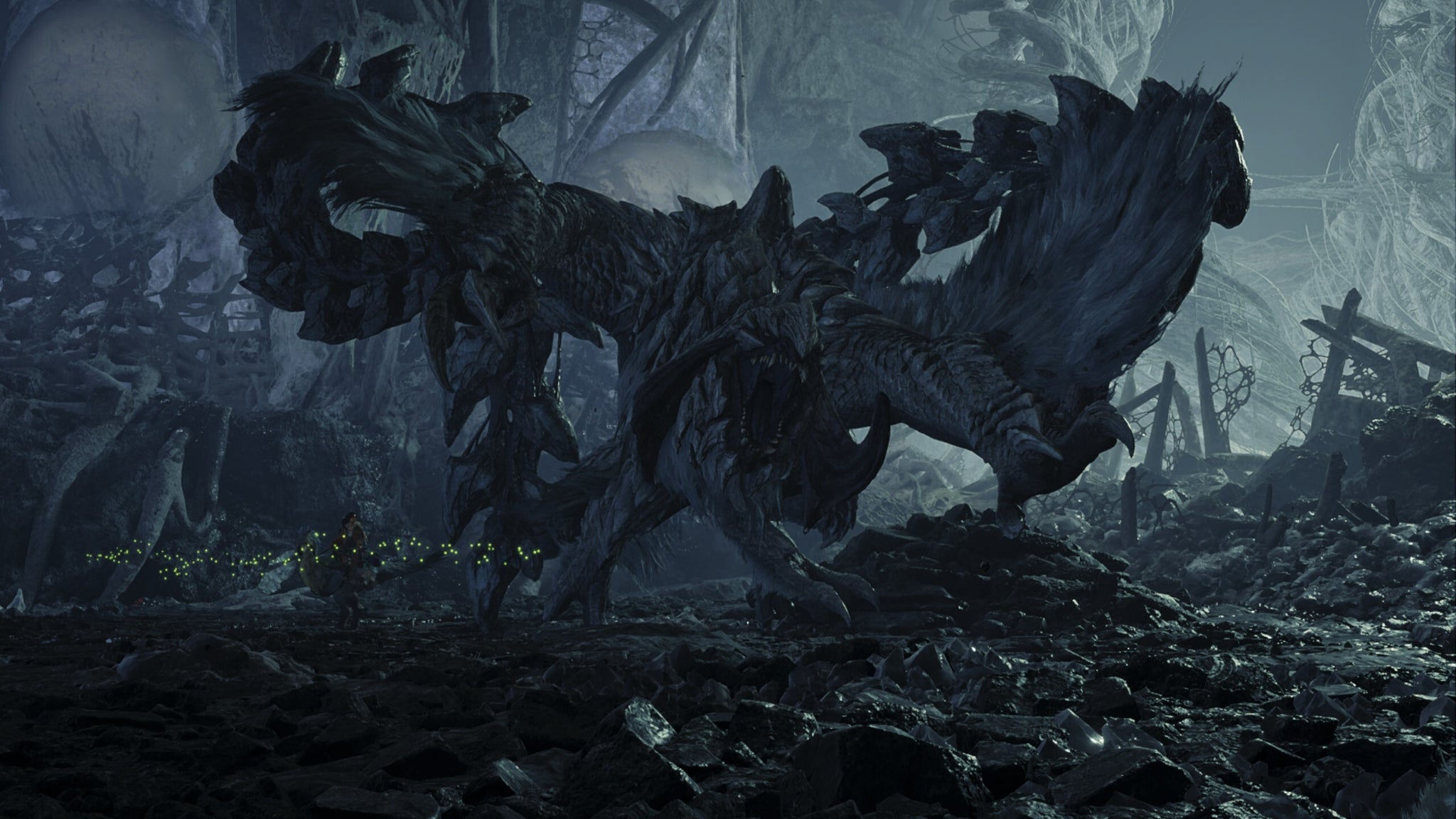
Image credit:Rock Paper Shotgun/Capcom
Monster Hunter Wilds system requirements and PC performance
No! They don’t! The official specs are still listing the GeForce GTX 1660 and Radeon RX 5500 XT as entry-level GPUs, and while I didn’t have either of these available to test, I did try the roughly-as-powerful GTX 1070, and the highest in-game average I could get out of it – at 1080p with the Lowest preset and FSR 3 on Ultra Performance – was 26fps. And that’s with both a much lower upscaling quality than what the specs suggest (Upscaling from 720p to 1080p means Quality mode; Ultra Performance upscales from just 640x360), as well as the overpowered Ryzen 7 9800X3D CPU I’d left in the test rig.
In fact, it took a GTX 1080 Ti to reach a stable-ish 30fps at 1080p, and that was still with Lowest settings and Performance-level FSR 3. A GTX 1080 Ti! For 30fps! With minimum settings! I’m sorry but the the only way a GTX 1660 is pulling 30fps here is if you’re watching a cutscene, or have jerry-rigged an Apple Watch screen to act as your primary gaming monitor.
I’m still going to replicate the requirements here, partly because I’m a slave to formatting convention and partly because other individual aspects of them (the RAM requirement, SSD space etc.) do appear more accurate. Don’t trust the GPU listings, mind.
Monster Hunter Wilds minimum PC specs
- OS: Windows 10/11 64-bit
- CPU: Intel Core i5-10400 / Intel Core i3-12100 / AMD Ryzen 5 3600
- RAM: 16GB
- GPU: Nvidia GeForce GTX 1660 / AMD Radeon RX 5500 XT, allegedly
- DirectX: Version 12
- Storage: 75GB (SSD required)
Monster Hunter Wilds recommended PC specs
- OS: Windows 10/11 64-bit
- CPU: Intel Core i5-10400 / Intel Core i3-12100 / AMD Ryzen 5 3600
- RAM: 16GB
- GPU: Nvidia GeForce RTX 2060 Super / AMD Radeon RX 6600
- DirectX: Version 12
- Storage: 75GB (SSD required)
Do note that 75GB doesn’t include the High Resolution Texture Pack, which is a separate download. And, also, probably not worth your consideration – it doubles the size of Wilds’ installation footprint, hurts performance even more, and has an outrageous 16GB VRAM requirement of its own, in exchange for textures that don’t look dramatically better than the base game’s High quality equivalents even at 4K. Except where mentioned, all forthcoming test results don’t include it.
Also, the recommended specs apparently only target 60fps when frame generation is enabled – so even if they’re a lot more accurate than the minimum specs, you’re still only looking at 30fps’ worth of ‘real’ frames. As previously moaned about when the benchmark tool launched, trying to cover up performance deficiencies with frame gen makes even less sense than doing it with upscaling , largely owing to how frame gen – whether it’s based on DLSS or FSR – introduces a tangible heap of input lag. This isn’t so much of a problem when the game is already running at, say, 60fps or above, as latency will start off low thanks to the abundance of frames making it faster for the game to reflect your inputs. Here, you could slap on frame gen to get up to 120fps or so, and while it will still feel more like 60fps – generated frames don’t have access to input data and thus can’t lower the lag, only increase it – it will still have a decent amount of control responsiveness to go with the visual smoothness.
Applying frame gen when you’re struggling to nail down 30fps, on the other hand, is a recipe for making it feel even more gloopy. Wilds wants you to enable what might look like free frames, and marvel at the slickness of its (admittedly excellent) animation work, but on most PCs it won’t let you build up enough of a stockpile of traditionally rendered frames to absorb the latency impact. Frame gen is supposed to be a luxury, not a load-bearer.

Image credit:Rock Paper Shotgun/Capcom
Saddened by this wanton misuse, as well as the struggle of the entire GeForce GTX lineup, I went in search of some graphics cards that could handle Wilds at 1080p. My usual budget go-tos, the Intel Arc B580 and GeForce RTX 4060 , produced mixed results. The RTX 4060 did produce a decent 42fps on native Ultra, rising to 50fps with DLSS on Quality, though the Arc B580 could only average 45fps in the field with a combination of High settings and FSR on Quality mode. Worse, artefacting on the Arc occasionally filled the sky with twitching, stretched-out strips of amok textures; I can’t say this will never happen on Nvidia and AMD cards, though I thankfully haven’t experienced it elsewhere.
The RTX 3070 also found 60fps an elusive beast. At native 1080p, Ultra quality kept it to 46fps, barely any faster than the RTX 4060, and the addition of Quality DLSS only punched it up to 53fps. At 1440p, the RTX 3070’s historic comfort zone, those same, upscaled settings saw a dip to 45fps.
Nay, for true smoothness, you’ll have had to invest big time, ideally in something with a lot more VRAM. The RTX 4070 Ti , which is listed among Wilds’ expanded hardware specs guide as being good for 4K, pumped out 52fps at that rez with Ultra settings and Quality DLSS. 1440p looks like a better fit, where it scored a far silkier 74fps – enough to justify turning on DLSS 3 frame gen, too, for a 102fps average.
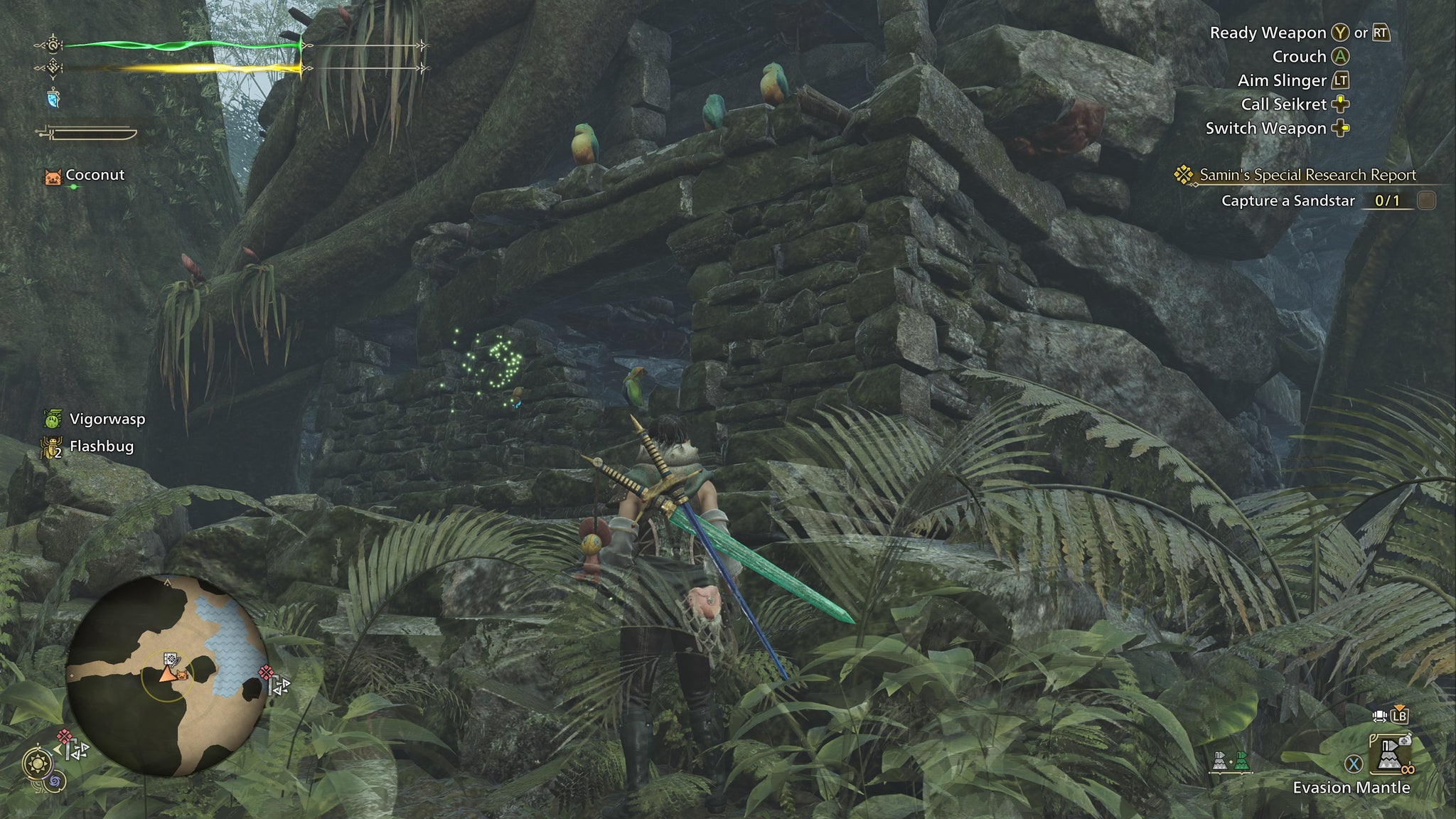
Image credit:Rock Paper Shotgun/Capcom
The newer RTX 5070 Ti , if you can get your hands on it, is more successful at plush resolutions. Back at 4K, it produced 62fps with Ultra and DLSS Quality, or 96fps with frame gen. The RTX 5080 makes for a modest upgrade, scoring 70fps and 108fps respectively.
I suppose it’s not the worst thing that good framerates are possible on higher-spec monitors, though you really shouldn’t need to look higher than the likes of the RTX 4060 for buttery 1080p. To say nothing of the weaker yet still widely-used hardware that’s going to miss out entirely – the GTX 1650, currently the fourth most-used GPU among Steam users? No chance. The Steam Deck ? Forget it.
It’s not that there’s just one or two trouble settings causing the malaise, either. Wilds is just unusually demanding in a general sense, sometimes granting a few moments of smoothness in a tight cave or confined tent yet collapsing to a nearly half that performance level once you get out into the wide open world. A kind of anti- Dragon’s Dogma 2 , if you will, which is ironic considering these two games share the RE Engine. There’s pretty frequent texture pop-in too, even when simply spinning the camera around to look at something you’ve already seen. Not good enough.

Image credit:Rock Paper Shotgun/Capcom
Monster Hunter Wilds best settings guide
Compounding the issue is that despite Wilds’ graphics settings spanning three different pages, there isn’t actually much help to be had from cutting the quality levels. Some games can run at double or triple the speed when switching form maximum to minimum settings, but at native 1080p, my RTX 4060 only varied from 42fps on Ultra to 56fps on Lowest. That really doesn’t reveal much scope for easy optimisations, though is also less of a surprise once you see how similar the two presets look.
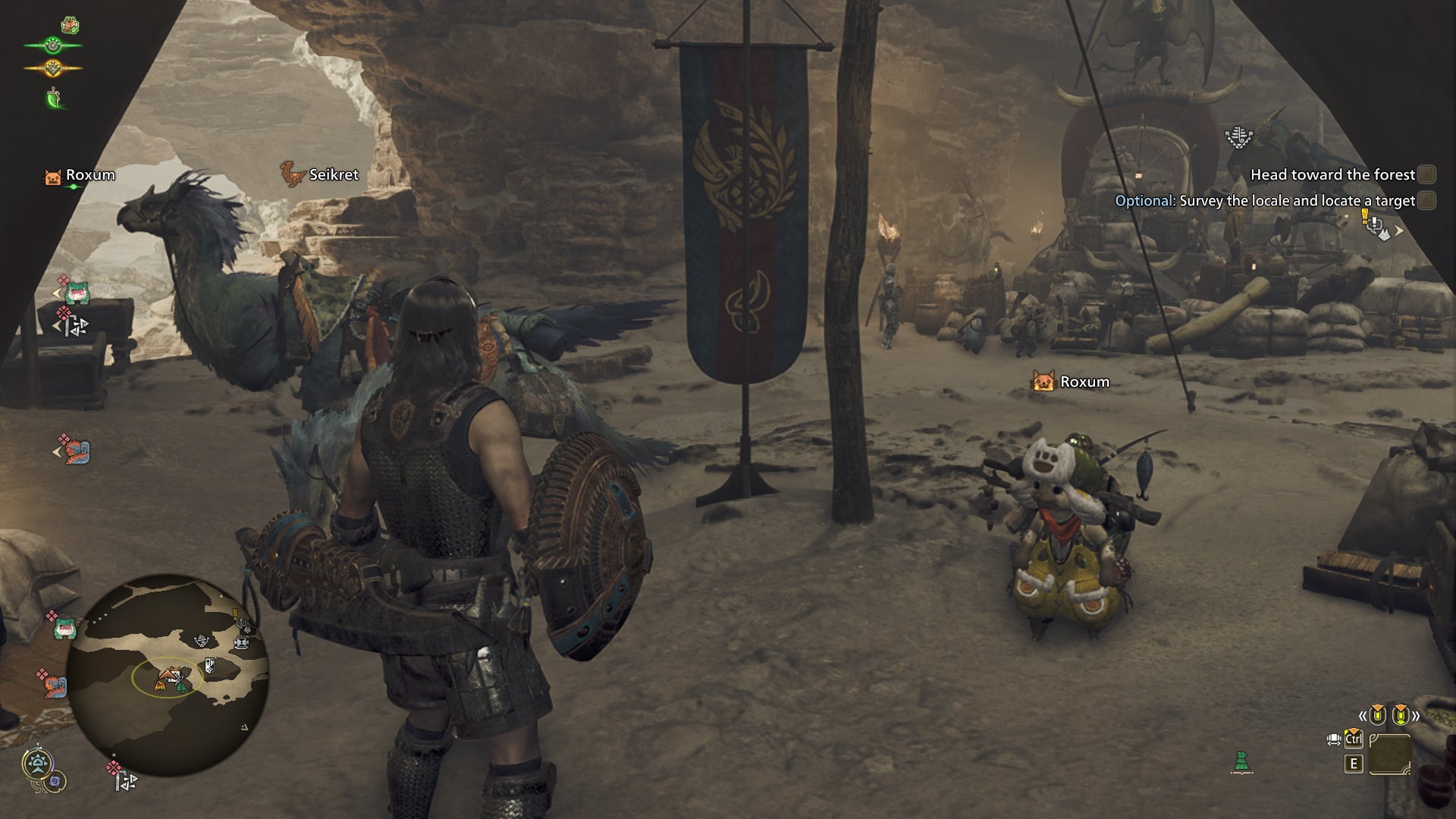
Sure enough, when I tested the individual settings one by one – lowering them to minimum to see which affect performance most keenly – only a handful, excluding upscaling and frame gen, added more than 1fps or 2fps by themselves. Many didn’t affect the framerate at all, which at least confirms that if you’re going to play Monster Hunter Wilds, you can at least leave a big bunch of settings on their highest, with the knowledge that they’re not actively making anything worse.
Here’s what I’ve come up with, in terms of a “best” settings combination:
- Upscaling/Upscaling mode: DLSS/FSR 3 on Quality
- Ray tracing: High (if supported)
- Texture quality: High
- Grass/tree quality: Medium
- Wind simulation quality: Low
- Shadow quality: Medium
- Ambient light quality: Medium
- Motion blur: Off
- Vignette effect: Off
- SSSS Scattering: Off
- Volumetric fog: Low
- Everything else: Ultra preset equivalent
I should first address the apparent point-blank foot shootery of adding ray tracing effects to a game that I’ve just spent over a dozen paragraphs needling for shoddy performance. Thing is, these ray-traced reflections are such a vast visual upgrade – see below for how they make Wilds’ murky rivers look like something vaguely approaching actual water – that they’re hard to pass up, and yet they’re still limited in scope to the extent that the framerate tax isn’t all that steep. Compared to the Ultra preset’s 42fps, adding High-quality ray tracing only caused a drop to 39fps, a difference you can make up elsewhere just by cutting things like motion blur and the edge-darkening vignette effect.
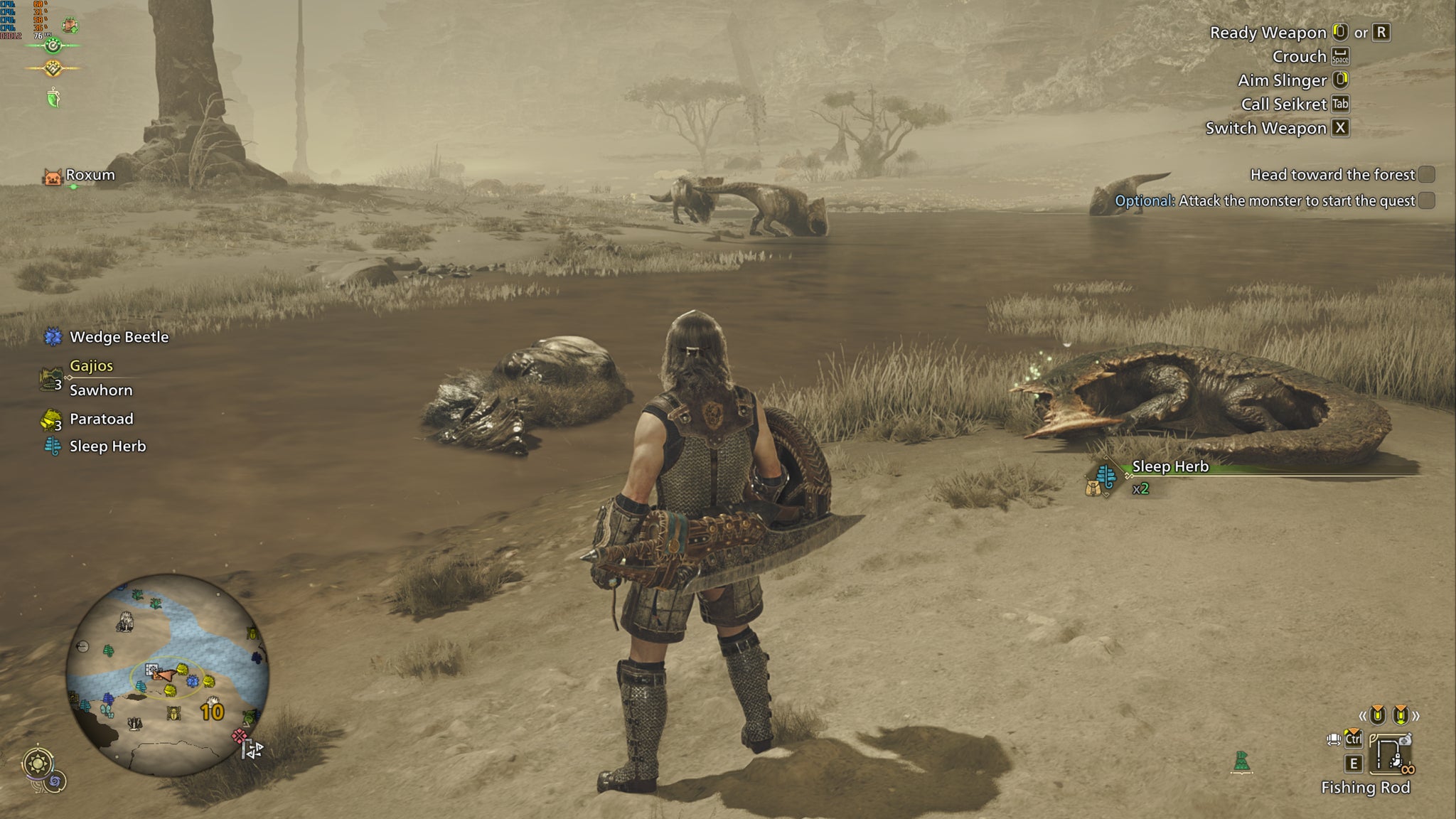
Besides, chopping and changing quality settings does almost nothing compared to the effect of upscaling. Yes, even at 1080p, this is something you should be adding: Quality DLSS took the RTX 4060 from 42fps to 50fps by itself, and you probably won’t need to go lower than Quality unless you’re trying 4K. Balanced mode, for example, only climbed to 52fps.
Ultimately, these settings produced a 51fps average on the RTX 4060, making for a 21% improvement over native-rez Ultra even with ray tracing. I’m not saying that represents a miraculous fixing of Wilds’ performance shortcomings, but it does at least show that you’re better off making manual adjustments instead of relying on presets. If I’d have just stuck with the latter and gone without upscaling, I’d have had to drop all the way down to Low to go faster than with these custom settings.
As for the issue of frame gen, I personally wouldn’t use it when stuck below a solid 60fps – the added latency just interferes too much with the crisp responsiveness I play on PC for. If you intend to play Capcom’s game and enable it regardless, know that my custom settings got 88fps with DLSS 3, and that it certainly did not feel like 88fps.
Finally, a word about the High Resolution Textures Pack. The 16GB VRAM requirement is a lot more on the money than those GPU specs: I tried the pack, rather optimistically, on the 8GB RTX 4060 and it chopped average performance in half. The 16GB RTX 5080 ran it without issue, at the optimal 4K resolution, though again, the resulting fall from 70fps to 59fps represents a performance hit that’s just disproportionate to the (very slight) graphical enhancement. Even ray tracing has a smaller impact on frames per second, with an arguably more distinct visual upgrade. I’d save the extra 75GB and leave the pack uninstalled.
Monster Hunter Wilds
Video Game
Rock Paper Shotgun is better when you sign in
Sign in and join us on our journey to discover strange and compelling PC games.

All 75 Arc Raiders Blueprints and where to get them
These areas have the highest chance of giving you Blueprints
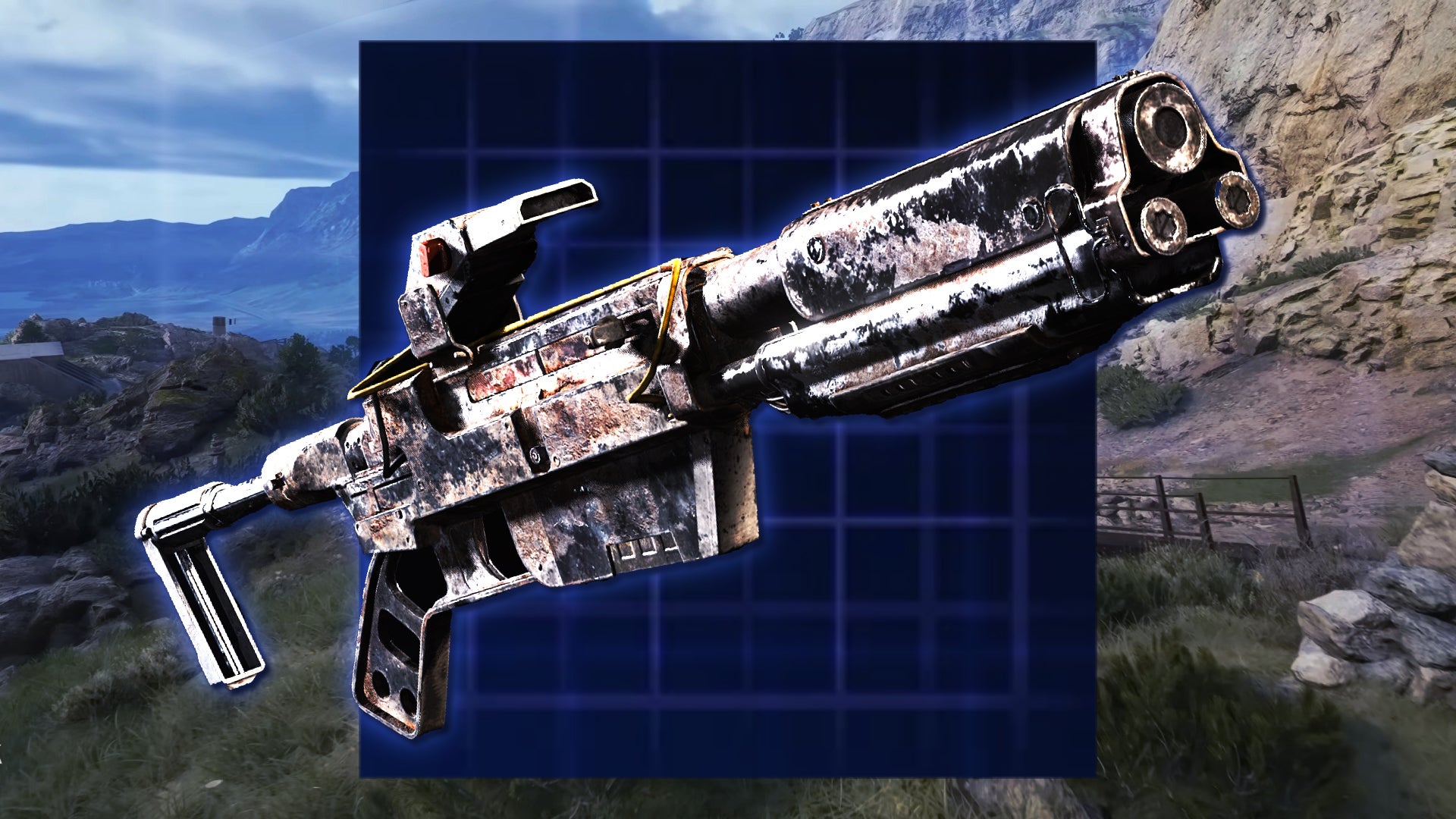
Image credit:Rock Paper Shotgun/Embark Studios

Looking for more Arc Raiders Blueprints? It’s a special day when you find a Blueprint, as they’re among the most valuable items in Arc Raiders. If you find a Blueprint that you haven’t already found, then you must make sure you hold onto it at all costs, because Blueprints are the key to one of the most important and powerful systems of meta-progression in the game.
This guide aims to be the very best guide on Blueprints you can find, starting with a primer on what exactly they are and how they work in Arc Raiders, before delving into exactly where to get Blueprints and the very best farming spots for you to take in your search.
We’ll also go over how to get Blueprints from other unlikely activities, such as destroying Surveyors and completing specific quests. And you’ll also find the full list of all 75 Blueprints in Arc Raiders on this page (including the newest Blueprints added with the Cold Snap update , such as the Deadline Blueprint and Firework Box Blueprint), giving you all the information you need to expand your own crafting repertoire.
In this guide:
- What are Blueprints in Arc Raiders?
- Full Blueprint list: All crafting recipes
- Where to find Blueprints in Arc Raiders Blueprints obtained from quests Blueprints obtained from Trials Best Blueprint farming locations

What are Blueprints in Arc Raiders?
Blueprints in Arc Raiders are special items which, if you manage to extract with them, you can expend to permanently unlock a new crafting recipe in your Workshop. If you manage to extract from a raid with an Anvil Blueprint, for example, you can unlock the ability to craft your very own Anvil Pistol, as many times as you like (as long as you have the crafting materials).
To use a Blueprint, simply open your Inventory while in the lobby, then right-click on the Blueprint and click “Learn And Consume” . This will permanently unlock the recipe for that item in your Workshop. As of the Stella Montis update, there are allegedly 75 different Blueprints to unlock - although only 68 are confirmed to be in the game so far. You can see all the Blueprints you’ve found and unlocked by going to the Workshop menu, and hitting “R” to bring up the Blueprint screen.
It’s possible to find duplicates of past Blueprints you’ve already unlocked. If you find these, then you can either sell them, or - if you like to play with friends - you can take it into a match and gift it to your friend so they can unlock that recipe for themselves. Another option is to keep hold of them until the time comes to donate them to the Expedition.
Full Blueprint list: All crafting recipes
Below is the full list of all the Blueprints that are currently available to find in Arc Raiders, and the crafting recipe required for each item:
| Blueprint | Type | Recipe | Crafted At |
|---|---|---|---|
| Bettina | Weapon | 3x Advanced Mechanical Components 3x Heavy Gun Parts 3x Canister | Gunsmith 3 |
| Blue Light Stick | Quick Use | 3x Chemicals | Utility Station 1 |
| Aphelion | Weapon | 3x Magnetic Accelerator 3x Complex Gun Parts 1x Matriarch Reactor | Gunsmith 3 |
| Combat Mk. 3 (Flanking) | Augment | 2x Advanced Electrical Components 3x Processor | Gear Bench 3 |
| Combat Mk. 3 (Aggressive) | Augment | 2x Advanced Electrical Components 3x Processor | Gear Bench 3 |
| Complex Gun Parts | Material | 2x Light Gun Parts 2x Medium Gun Parts 2x Heavy Gun Parts | Refiner 3 |
| Fireworks Box | Quick Use | 1x Explosive Compound 3x Pop Trigger | Explosives Station 2 |
| Gas Mine | Mine | 4x Chemicals 2x Rubber Parts | Explosives Station 1 |
| Green Light Stick | Quick Use | 3x Chemicals | Utility Station 1 |
| Pulse Mine | Mine | 1x Crude Explosives 1x Wires | Explosives Station 1 |
| Seeker Grenade | Grenade | 1x Crude Explosives 2x ARC Alloy | Explosives Station 1 |
| Looting Mk. 3 (Survivor) | Augment | 2x Advanced Electrical Components 3x Processor | Gear Bench 3 |
| Angled Grip II | Mod | 2x Mechanical Components 3x Duct Tape | Gunsmith 2 |
| Angled Grip III | Mod | 2x Mod Components 5x Duct Tape | Gunsmith 3 |
| Hullcracker | Weapon | 1x Magnetic Accelerator 3x Heavy Gun Parts 1x Exodus Modules | Gunsmith 3 |
| Launcher Ammo | Ammo | 5x Metal Parts 1x Crude Explosives | Workbench 1 |
| Anvil | Weapon | 5x Mechanical Components 5x Simple Gun Parts | Gunsmith 2 |
| Anvil Splitter | Mod | 2x Mod Components 3x Processor | Gunsmith 3 |
| ??? | ??? | ??? | ??? |
| Barricade Kit | Quick Use | 1x Mechanical Components | Utility Station 2 |
| Blaze Grenade | Grenade | 1x Explosive Compound 2x Oil | Explosives Station 3 |
| Bobcat | Weapon | 3x Advanced Mechanical Components 3x Light Gun Parts | Gunsmith 3 |
| Osprey | Weapon | 2x Advanced Mechanical Components 3x Medium Gun Parts 7x Wires | Gunsmith 3 |
| Burletta | Weapon | 3x Mechanical Components 3x Simple Gun Parts | Gunsmith 1 |
| Compensator II | Mod | 2x Mechanical Components 4x Wires | Gunsmith 2 |
| Compensator III | Mod | 2x Mod Components 8x Wires | Gunsmith 3 |
| Defibrillator | Quick Use | 9x Plastic Parts 1x Moss | Medical Lab 2 |
| ??? | ??? | ??? | ??? |
| Equalizer | Weapon | 3x Magnetic Accelerator 3x Complex Gun Parts 1x Queen Reactor | Gunsmith 3 |
| Extended Barrel | Mod | 2x Mod Components 8x Wires | Gunsmith 3 |
| Extended Light Mag II | Mod | 2x Mechanical Components 3x Steel Spring | Gunsmith 2 |
| Extended Light Mag III | Mod | 2x Mod Components 5x Steel Spring | Gunsmith 3 |
| Extended Medium Mag II | Mod | 2x Mechanical Components 3x Steel Spring | Gunsmith 2 |
| Extended Medium Mag III | Mod | 2x Mod Components 5x Steel Spring | Gunsmith 3 |
| Extended Shotgun Mag II | Mod | 2x Mechanical Components 3x Steel Spring | Gunsmith 2 |
| Extended Shotgun Mag III | Mod | 2x Mod Components 5x Steel Spring | Gunsmith 3 |
| Remote Raider Flare | Quick Use | 2x Chemicals 4x Rubber Parts | Utility Station 1 |
| Heavy Gun Parts | Material | 4x Simple Gun Parts | Refiner 2 |
| Venator | Weapon | 2x Advanced Mechanical Components 3x Medium Gun Parts 5x Magnet | Gunsmith 3 |
| Il Toro | Weapon | 5x Mechanical Components 6x Simple Gun Parts | Gunsmith 1 |
| Jolt Mine | Mine | 1x Electrical Components 1x Battery | Explosives Station 2 |
| Explosive Mine | Mine | 1x Explosive Compound 1x Sensors | Explosives Station 3 |
| Jupiter | Weapon | 3x Magnetic Accelerator 3x Complex Gun Parts 1x Queen Reactor | Gunsmith 3 |
| Light Gun Parts | Material | 4x Simple Gun Parts | Refiner 2 |
| Lightweight Stock | Mod | 2x Mod Components 5x Duct Tape | Gunsmith 3 |
| Lure Grenade | Grenade | 1x Speaker Component 1x Electrical Components | Utility Station 2 |
| Medium Gun Parts | Material | 4x Simple Gun Parts | Refiner 2 |
| Torrente | Weapon | 2x Advanced Mechanical Components 3x Medium Gun Parts 6x Steel Spring | Gunsmith 3 |
| Muzzle Brake II | Mod | 2x Mechanical Components 4x Wires | Gunsmith 2 |
| Muzzle Brake III | Mod | 2x Mod Components 8x Wires | Gunsmith 3 |
| Padded Stock | Mod | 2x Mod Components 5x Duct Tape | Gunsmith 3 |
| Shotgun Choke II | Mod | 2x Mechanical Components 4x Wires | Gunsmith 2 |
| Shotgun Choke III | Mod | 2x Mod Components 8x Wires | Gunsmith 3 |
| Shotgun Silencer | Mod | 2x Mod Components 8x Wires | Gunsmith 3 |
| Showstopper | Grenade | 1x Advanced Electrical Components 1x Voltage Converter | Explosives Station 3 |
| Silencer I | Mod | 2x Mechanical Components 4x Wires | Gunsmith 2 |
| Silencer II | Mod | 2x Mod Components 8x Wires | Gunsmith 3 |
| Snap Hook | Quick Use | 2x Power Rod 3x Rope 1x Exodus Modules | Utility Station 3 |
| Stable Stock II | Mod | 2x Mechanical Components 3x Duct Tape | Gunsmith 2 |
| Stable Stock III | Mod | 2x Mod Components 5x Duct Tape | Gunsmith 3 |
| Tagging Grenade | Grenade | 1x Electrical Components 1x Sensors | Utility Station 3 |
| Tempest | Weapon | 3x Advanced Mechanical Components 3x Medium Gun Parts 3x Canister | Gunsmith 3 |
| Trigger Nade | Grenade | 2x Crude Explosives 1x Processor | Explosives Station 2 |
| Vertical Grip II | Mod | 2x Mechanical Components 3x Duct Tape | Gunsmith 2 |
| Vertical Grip III | Mod | 2x Mod Components 5x Duct Tape | Gunsmith 3 |
| Vita Shot | Quick Use | 2x Antiseptic 1x Syringe | Medical Lab 3 |
| Vita Spray | Quick Use | 3x Antiseptic 1x Canister | Medical Lab 3 |
| Vulcano | Weapon | 1x Magnetic Accelerator 3x Heavy Gun Parts 1x Exodus Modules | Gunsmith 3 |
| Wolfpack | Grenade | 2x Explosive Compound 2x Sensors | Explosives Station 3 |
| Red Light Stick | Quick Use | 3x Chemicals | Utility Station 1 |
| Smoke Grenade | Grenade | 14x Chemicals 1x Canister | Utility Station 2 |
| Deadline | Mine | 3x Explosive Compound 2x ARC Circuitry | Explosives Station 3 |
| Trailblazer | Grenade | 1x Explosive Compound 1x Synthesized Fuel | Explosives Station 3 |
| Tactical Mk. 3 (Defensive) | Augment | 2x Advanced Electrical Components 3x Processor | Gear Bench 3 |
| Tactical Mk. 3 (Healing) | Augment | 2x Advanced Electrical Components 3x Processor | Gear Bench 3 |
| Yellow Light Stick | Quick Use | 3x Chemicals | Utility Station 1 |
Note: The missing Blueprints in this list likely have not actually been added to the game at the time of writing, because none of the playerbase has managed to find any of them. As they are added to the game, I will update this page with the most relevant information so you know exactly how to get all 75 Arc Raiders Blueprints.
Where to find Blueprints in Arc Raiders
Below is a list of all containers, modifiers, and events which maximise your chances of finding Blueprints:
- Certain quests reward you with specific Blueprints .
- Completing Trials has a high chance of offering Blueprints as rewards.
- Surveyors have a decent chance of dropping Blueprints on death.
- High loot value areas tend to have a greater chance of spawning Blueprints.
- Night Raids and Storms may increase rare Blueprint spawn chances in containers.
- Containers with higher numbers of items may have a higher tendency to spawn Blueprints. As a result, Blue Gate (which has many “large” containers containing multiple items) may give you a higher chance of spawning Blueprints.
- Raider containers (Raider Caches, Weapon Boxes, Medical Bags, Grenade Tubes) have increased Blueprint drop rates. As a result, the Uncovered Caches event gives you a high chance of finding Blueprints.
- Security Lockers have a higher than average chance of containing Blueprints.
- Certain Blueprints only seem to spawn under specific circumstances: Tempest Blueprint only spawns during Night Raid events. Vulcano Blueprint only spawns during Hidden Bunker events. Jupiter and Equaliser Blueprints only spawn during Harvester events.
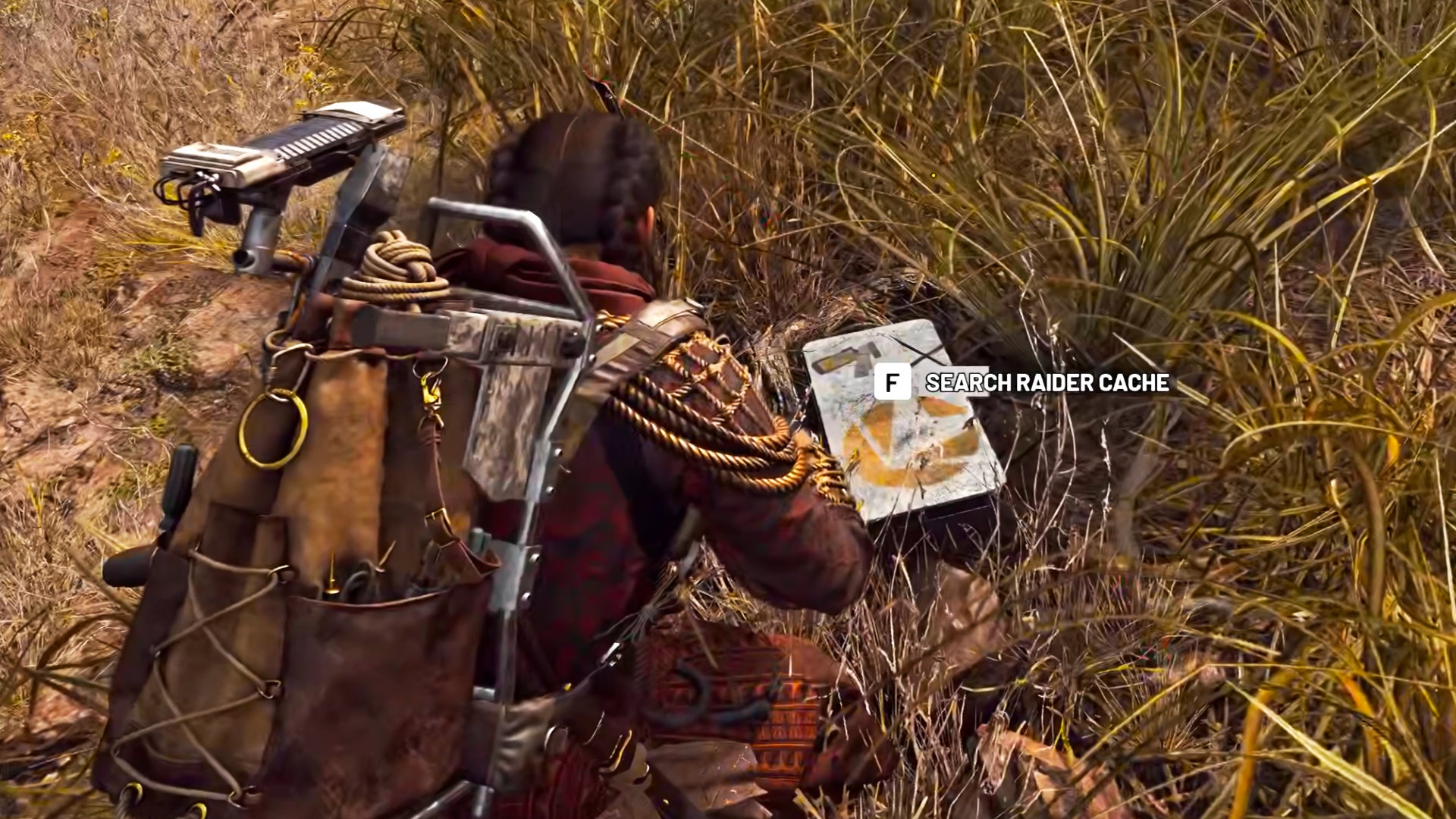
Raider Caches, Weapon Boxes, and other raider-oriented container types have a good chance of offering Blueprints. |Image credit:Rock Paper Shotgun/Embark Studios
Blueprints have a very low chance of spawning in any container in Arc Raiders, around 1-2% on average. However, there is a higher chance of finding Blueprints in particular container types. Specifically, you can find more Blueprints in Raider containers and security lockers.
Beyond this, if you’re looking for Blueprints you should focus on regions of the map which are marked as having particularly high-value loot. Areas such as the Control Tower in Dam Battlegrounds, the Arrival and Departure Buildings in Spaceport, and Pilgrim’s Peak in Blue Gate all have a better-than-average chance of spawning Blueprints somewhere amongst all their containers. Night Raids and Electromagnetic Storm events also increase the drop chances of certain Blueprints .
In addition to these containers, you can often loot Blueprints from destroyed Surveyors - the largest of the rolling ball ARC. Surveyors are more commonly found on the later maps - Spaceport and Blue Gate - and if one spawns in your match, you’ll likely see it by the blue laser beam that it casts into the sky while “surveying”.
Surveyors are quite well-armoured and will very speedily run away from you once it notices you, but if you can take one down then make sure you loot all its parts for a chance of obtaining certain unusual Blueprints.
Blueprints obtained from quests
One way in which you can get Blueprints is by completing certain quests for the vendors in Speranza. Some quests will reward you with a specific item Blueprint upon completion, so as long as you work through all the quests in Arc Raiders, you are guaranteed those Blueprints.
Here is the full list of all Blueprints you can get from quest rewards:
- Trigger Nade Blueprint: Rewarded after completing “Sparks Fly”.
- Lure Grenade Blueprint: Rewarded after completing “Greasing Her Palms”.
- Burletta Blueprint: Rewarded after completing “Industrial Espionage”.
- Hullcracker Blueprint (and Launcher Ammo Blueprint): Rewarded after completing “The Major’s Footlocker”.
Alas, that’s only 4 Blueprints out of a total of 75 to unlock, so for the vast majority you will need to find them yourself during a raid. If you’re intent on farming Blueprints, then it’s best to equip yourself with cheap gear in case you lose it, but don’t use a free loadout because then you won’t get a safe pocket to stash any new Blueprint you find. No pain in Arc Raiders is sharper than failing to extract with a new Blueprint you’ve been after for a dozen hours already.
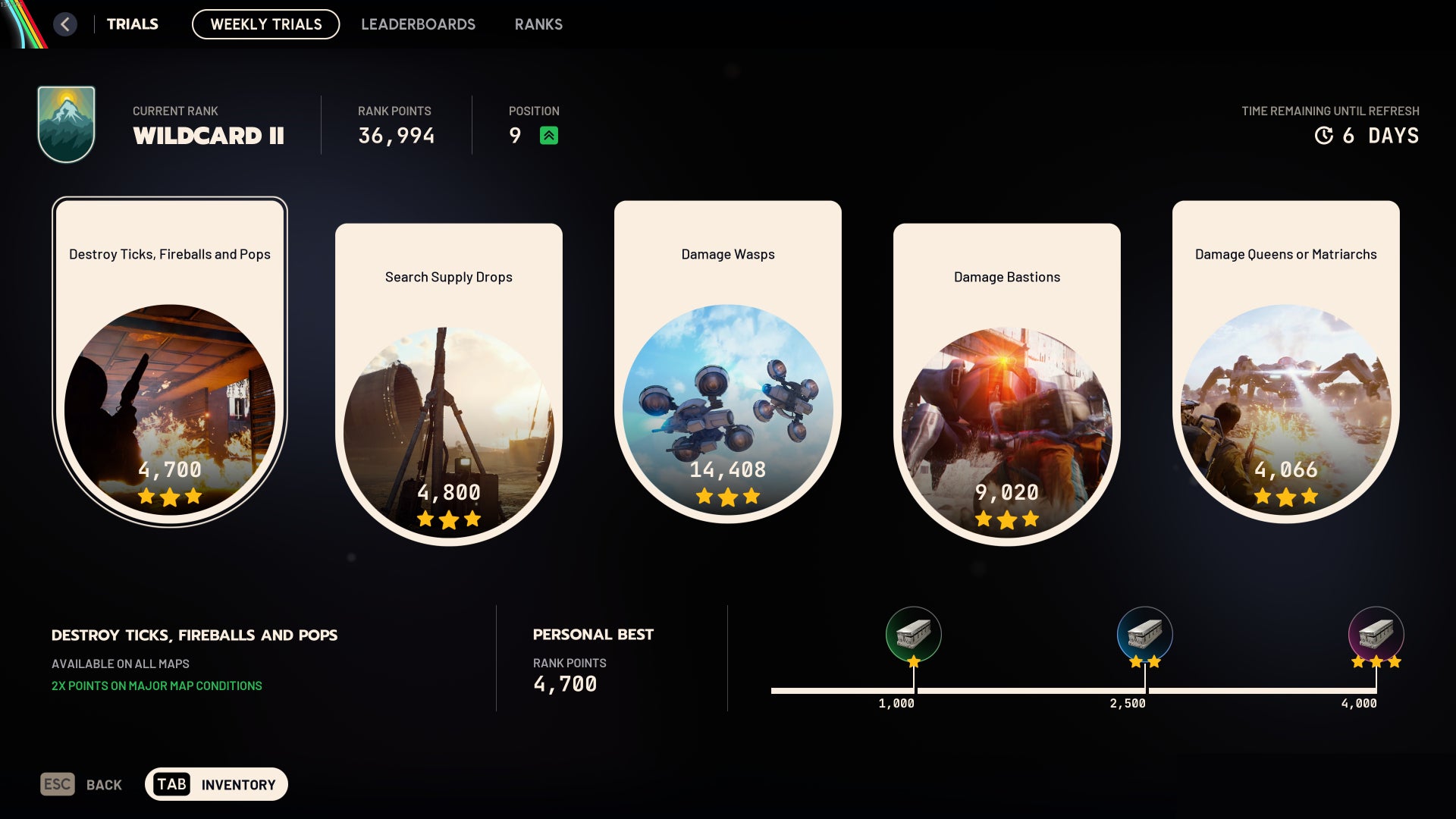
One of the best ways to get Blueprints is by hitting three stars on all five Trials every week. |Image credit:Rock Paper Shotgun/Embark Studios
Blueprints obtained from Trials
One of the very best ways to get Blueprints is as rewards for completing Trials in Arc Raiders. Trials are unlocked from Level 15 onwards, and allow you to earn rewards by focusing on certain tasks over the course of several raids. For example, one Trial might task you with dealing damage to Hornets, while another might challenge you to loot Supply Drops.
Trials refresh on a weekly basis, with a new week bringing five new Trials. Each Trial can offer up to three rewards after passing certain score milestones, and it’s possible to receive very high level loot from these reward crates - including Blueprints. So if you want to unlock as many Blueprints as possible, you should make a point of completing as many Trials as possible each week.
Best Blueprint farming locations
The very best way to get Blueprints is to frequent specific areas of the maps which combine high-tier loot pools with the right types of containers to search. Here are my recommendations for where to find Blueprints on every map, so you can always keep the search going for new crafting recipes to unlock.
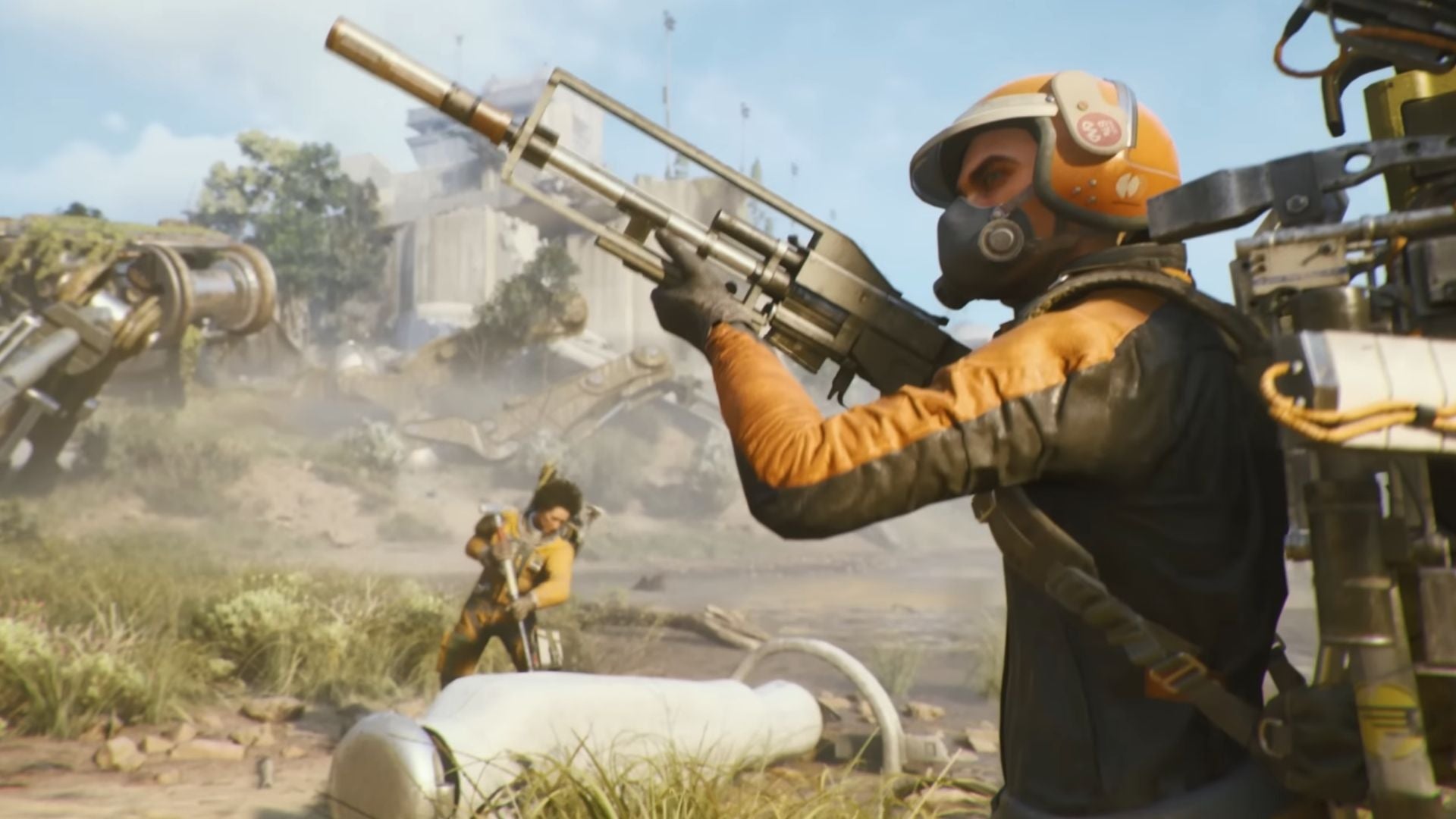
Image credit:Rock Paper Shotgun/Embark Studios
Dam Battlegrounds
The best places to farm Blueprints on Dam Battlegrounds are the Control Tower, Power Generation Complex, Ruby Residence, and Pale Apartments . The first two regions, despite only being marked on the map as mid-tier loot, contain a phenomenal number of containers to loot. The Control Tower can also contain a couple of high-tier Security Lockers - though of course, you’ll need to have unlocked the Security Breach skill at the end of the Survival tree.
There’s also a lot of reporting amongst the playerbase that the Residential areas in the top-left of the map - Pale Apartments and Ruby Residence - give you a comparatively strong chance of finding Blueprints. Considering their size, there’s a high density of containers to loot in both locations, and they also have the benefit of being fairly out of the way. So you’re more likely to have all the containers to yourself.
Buried City
The best Blueprint farming locations on Buried City are the Santa Maria Houses, Grandioso Apartments, Town Hall, and the various buildings of the New District . Grandioso Apartments has a lower number of containers than the rest, but a high chance of spawning weapon cases - which have good Blueprint drop rates. The others are high-tier loot areas, with plenty of lootable containers - including Security Lockers.
Spaceport
The best places to find Blueprints on Spaceport are the Arrival and Departure Buildings, as well as Control Tower A6 and the Launch Towers . All these areas are labelled as high-value loot regions, and many of them are also very handily connected to one another by the Spaceport wall, which you can use to quickly run from one area to the next. At the tops of most of these buildings you’ll find at least one Security Locker, so this is an excellent farming route for players looking to find Blueprints.
The downside to looting Blueprints on Spaceport is that all these areas are hotly contested, particularly in Duos and Squads. You’ll need to be very focused and fast in order to complete the full farming route.
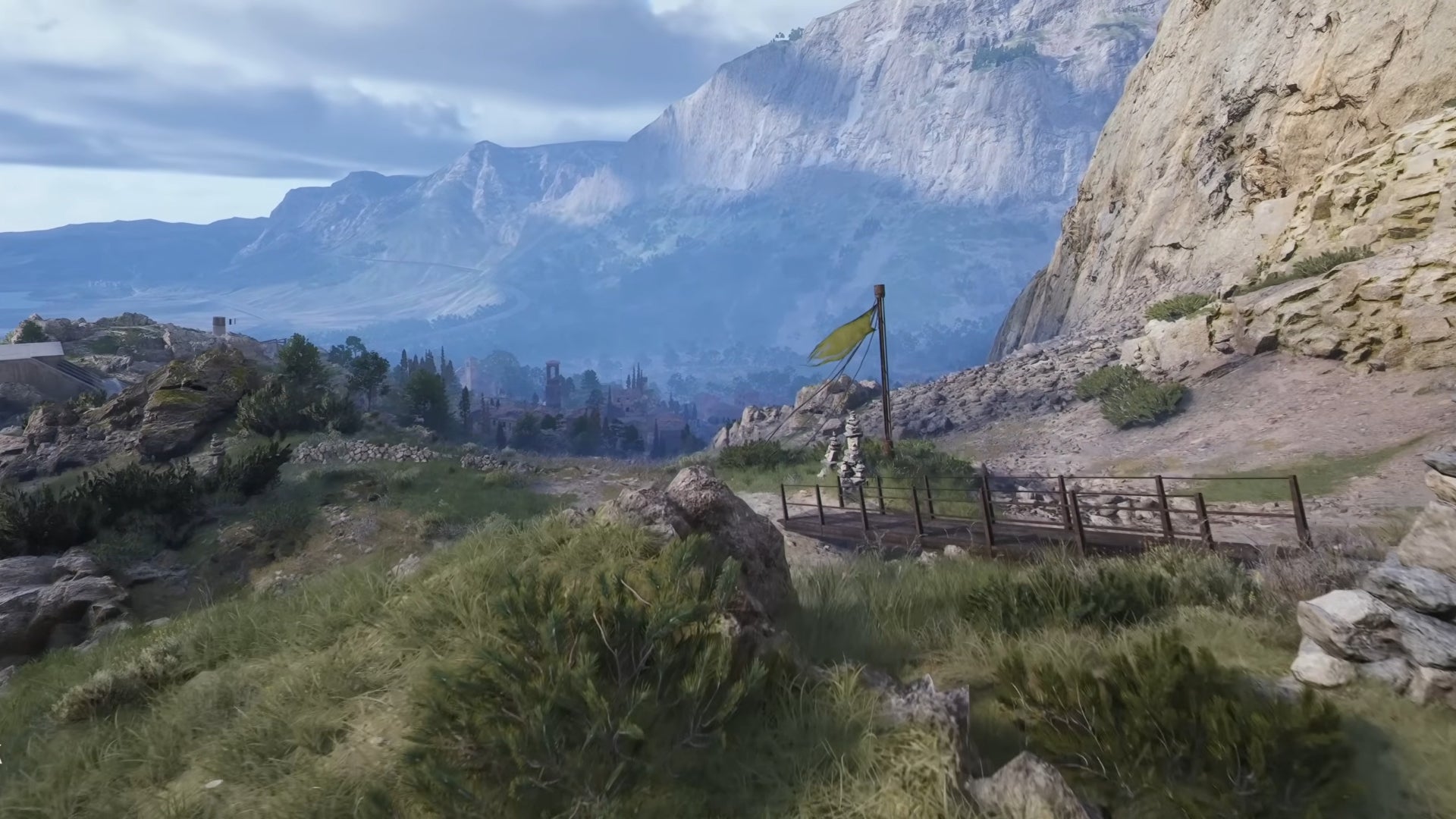
Image credit:Rock Paper Shotgun/Embark Studios
Blue Gate
Blue Gate tends to have a good chance of dropping Blueprints, potentially because it generally has a high number of containers which can hold lots of items; so there’s a higher chance of a Blueprint spawning in each container. In my experience, the best Blueprint farming spots on Blue Gate are Pilgrim’s Peak, Raider’s Refuge, the Ancient Fort, and the Underground Complex beneath the Warehouse .
All of these areas contain a wealth of containers to loot. Raider’s Refuge has less to loot, but the majority of the containers in and around the Refuge are raider containers, which have a high chance of containing Blueprints - particularly during major events.
Stella Montis
On the whole, Stella Montis seems to have a very low drop rate for Blueprints (though a high chance of dropping other high-tier loot). If you do want to try farming Blueprints on this map, the best places to find Blueprints in Stella Montis are Medical Research, Assembly Workshop, and the Business Center . These areas have the highest density of containers to loot on the map.
In addition to this, the Western Tunnel has a few different Security Lockers to loot, so while there’s very little to loot elsewhere in this area of the map, it’s worth hitting those Security Lockers if you spawn there at the start of a match.
That wraps up this primer on how to get all the Blueprints in Arc Raiders as quickly as possible. With the Expedition system constantly resetting a large number of players’ Blueprints, it’s more important than ever to have the most up-to-date information on where to find all these Blueprints.
While you’re here, be sure to check out our Arc Raiders best guns tier list , as well as our primers on the best skills to unlock and all the different Field Depot locations on every map.
ARC Raiders
PS5 , Xbox Series X/S , PC
Rock Paper Shotgun is better when you sign in
Sign in and join us on our journey to discover strange and compelling PC games.
