Everything we know about Europa Universalis 5
Granddaddy strategy explained
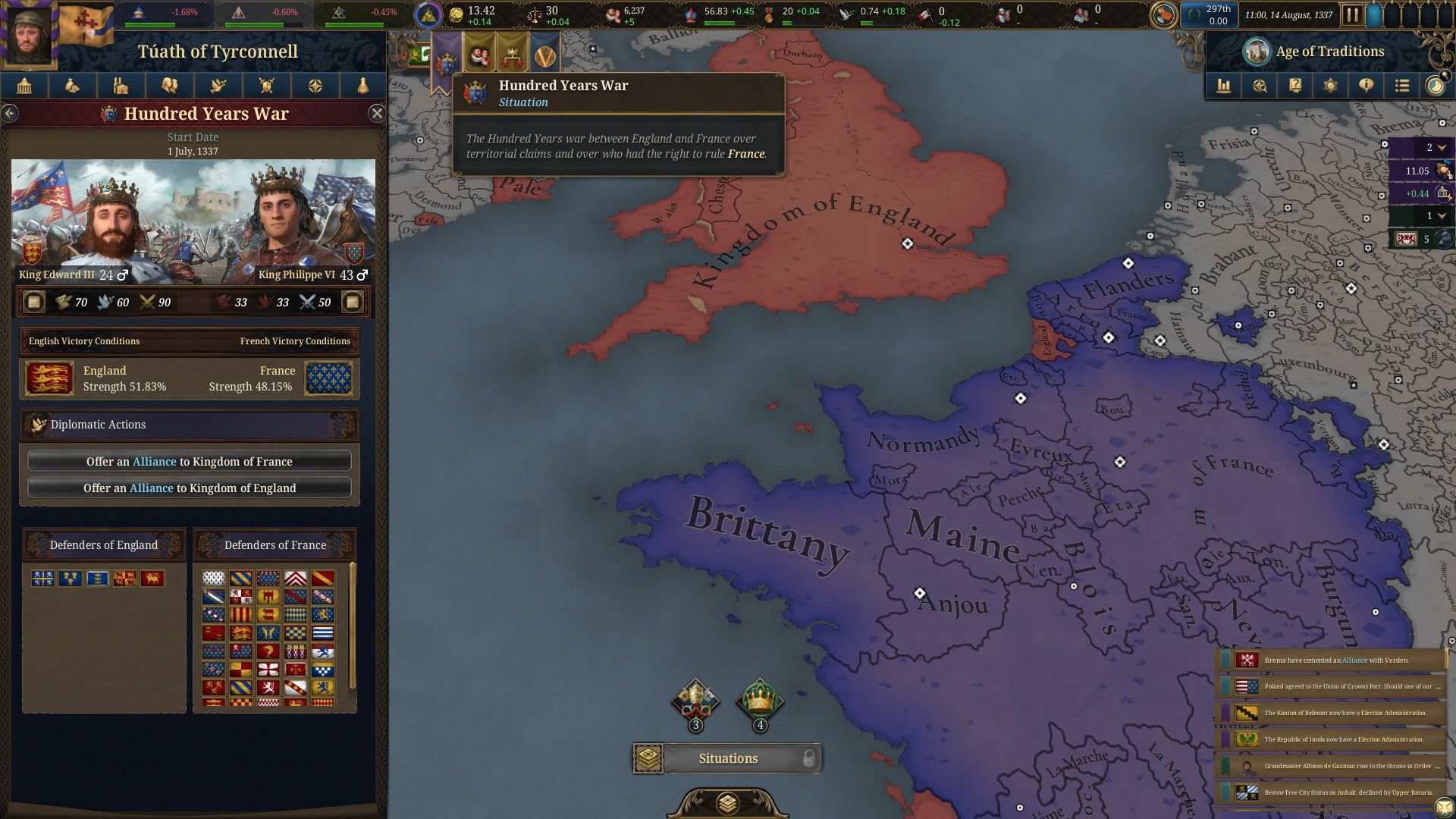
Image credit:Rock Paper Shotgun / Paradox Interactive

The horizon glows red. Europa Universalis 5 is posturing itself as the next grandaddy of grand strategy. It follows 12 years of updates and expansions to Europa Universalis 4 , so it has some catching up to do. But much of the historical simulation is in place, along with new features and a fresh focus on the rowdy populations you’ll be lording it over. Like its predecessors, Europa Universalis 5 will be a deeply complex game. I’m going to do my best to explain it.
Here, I’ve summarised all the major features, and hopefully turned a complicated game into something an average history liker can understand. This is mostly based on a year-long dev diary shared by the developers. But who has time to read all that? Just let me break it down for you. Here’s everything we know about Europa Universalis 5, and how it’s going to play.
What is Europa Universalis?
For those new to the series, it’s a grand strategy game played across a vast map of the world, spanning a big historical period between the 14th and 18th centuries. You control a single nation, taking control of taxes, laws, diplomacy, and the military. Most players aim to paint the map their colour by expanding and controlling land. Others play in more esoteric ways, looking to become cultural behemoths or trade empires.
It is also notoriously complex, with endless menus, buttons, sliders, and decisions to make. But for those willing to learn and manipulate the many turning cogs, Europa Universalis games are among the most absorbing grand strategies you can get.
When is Europa Universalis 5’s release date?
“We are not saying anything about a release window at this time,” said a Paradox rep when asked about a release date. So we simply don’t know yet, sorry.
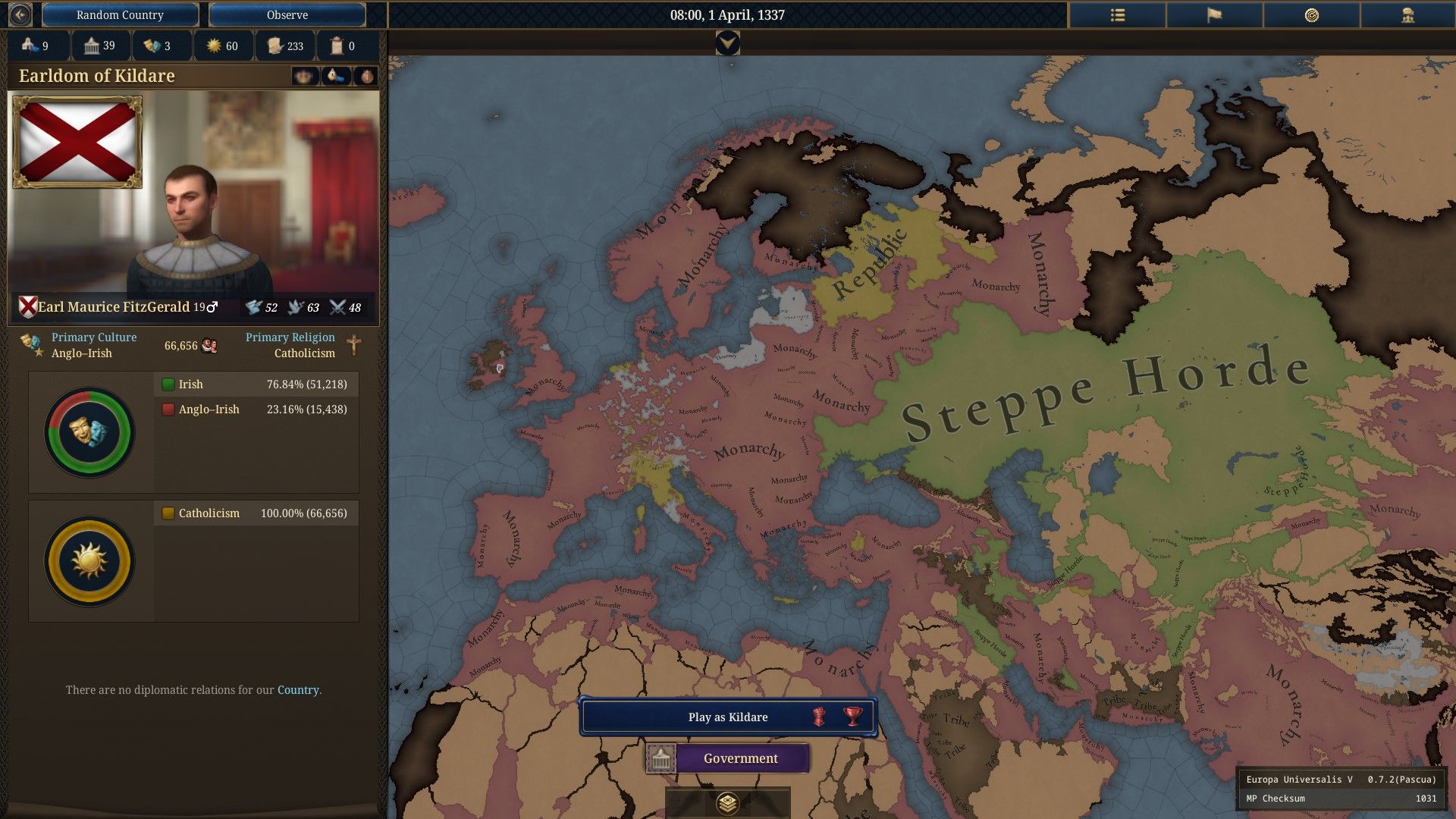
Image credit:Rock Paper Shotgun / Paradox Interactive
How does Europa Universalis 5 work?
Developers Paradox Tinto have been drip-feeding details of Europa Universalis 5 for the last year, calling it “Project Caesar” in an ongoing dev diary in which they’ve posted descriptions of new features along with screenshots. “Project Caesar” was so recognisable as EU5 by everyone who saw the maps, pop-ups and character art, that the Paradox designers soon employed dollops of sarcasm in the devlogs, routinely calling it the studio’s “super secret project”.
So let’s use those 60+ diary entries (plus limited hands-on time with an early build) to create a digestible summary of all the major features of the game. Well, I say “digestible” but even after boiling down the developers’ notes into bite-sized talking points, this article is still huge. It is a complicated game, and there’s lots of ground to cover. So let’s go!
Note that some of this stuff is subject to change - the game is still being tweaked.
The big stuff
Image credit:Paradox Interactive
First, let’s look at the highlights of the new game - the big changes, fresh features, and most important stuff to know.
Start date and end date
The game’s historical start date will be April 1st, 1337. This is the year historians mark as the beginning of the Hundred Years War between France and England. The end date hasn’t been announced yet, but the game will go into the 1700s at least. Some players speculate it’ll go as far as 1836, to match the start date of fellow Paradox strategy, Victoria 3 . But that’s a guess.
Pops
Your population will have a big impact on your country, and it’ll be split into different groups, or “pops”, similar to Victoria 3 or Stellaris . Pops can come from different social classes - peasants, clergy, burghers, nobility, tribesmen, or slaves. But are also divided by religion and culture. In Iberia you might have one pop of Catalan peasants and another pop of Basque nobility, for instance. “That Pop may contain 1 person, or 250 Million, but it is still referred to as a pop”. They’re really important. They’ll populate your armies, work in your buildings, and keep trade flowing. If something happens to your pops (eg. war, famine, plague) your country can be thrown into a state of unbalance. Even in good times pops will demand goods like gold, saffron, or furs, and will get annoyed if their needs are not met.
The Estates
This is another big new idea in Europa Universalis 5, loosely based on the political idea of the estates of the realm . Essentially, there are four powerful groups you must keep satisfied: the nobility, the clergy, the burghers, and the commoners (meanwhile, you play as “the crown”). EU5 will be a game of balancing these different interest groups. You’ll always be able to see each estate’s satisfaction levels at the top of the screen. The burghers may like it when you build more market centres. The clergy might hate it when you pass a law to tolerate heretics. It’s like a more complex version of the swipey kingdom management in Reigns .
Ages
Years will still pass as slow or fast as you like with precise time controls, as in other Paradox grand strategies. But every hundred years or so will bring a new “age”. In order these are: The Age of Tradition, The Age of Renaissance, The Age of Discovery, The Age of Reformation, The Age of Absolutism, and The Age of Revolution. The Renaissance, for example, might see banking take off like a rocket in your cities in Italy. Meanwhile the Age of Absolutism might bring innovations to army building as the idea of Empire starts to take a stranglehold on the globe. The developer diary for this one is worth reading if you’re a history dweeb.

Image credit:Rock Paper Shotgun / Paradox Interactive
Automation
A swish new feature that might make being king more manageable for newer players. You’ll be able to automate entire systems, from trade to diplomacy. If you’re not interested in managing the military, you can tick a box to have the computer take charge. For example, you can give your armies broad war objectives such as “Defend Home Territory” or “Hunt Armies” (similar to how it can be done in Imperator: Rome ). If you don’t care about balancing the books and keeping track of taxes, you can do the same for those financial tasks. From what Paradox have shown, a lot can be automated. The idea is it’ll lift the burden of micromanagement. Given the complexity of Europa Universalis, it may be useful to lock yourself out of international trade while you learn how army manoeuvring works, or vice versa. Then again, such automation might cause more confusion when you go to change a slider and find it greyed out and immovable, because the computer is in control.
Characters
“A character in [EU5] is a bit more alive than in let’s say EU4,” say Paradox. There will be artists and cabinet members, royals and renegades. They’ll have skills and traits which make them better or worse at certain jobs. Admirals will run a tighter ship if they have good military attributes, for example. But don’t get too excited if, like me, you’re a Crusader Kings fan. Characters are still only an instrument of the state, not the focus of the game. “In this game, characters are tools to be used for the greater good. If that means marrying off your daughter to secure an alliance with France, then that’s what you have to do.”
Land isn’t everything
In a similar manner to Crusader Kings 3 ’s refreshing “unlanded” characters , there will be “unlanded” playable entities in Europa Universalis 5. Banking nations, for example, won’t actually own any land but will rely on buildings in other countries to indulge their money lending. Trade entities like the Hanseatic league will be similar. And the Daimyos of Japan will have their own particular setup, not fully reliant on being landed. On top of all that, you can have an “army based country” like the Steppe Hordes, who will always continue to exist as long as they have an army. And a “navy-based” country has been teased (possibly a seaborne nation of pirates). Lastly, there is talk of stateless societies that exist as “pop-based.” Meaning the culture and people of that nation are what matter. Some native tribes in the “New World” might fit this description, say Paradox, although that kind of entity might not be playable at launch.
Economy
Image credit:Paradox Interactive
Aside from tax income, you’ll have to keep on top of international trade to make money as a ruler. These are the big things to know.
Demands
Pops will want certain things, but their needs are not universal. Not every pop will want bread and beer, and some demands will only show once the goods become desired or fashionable. “The demand for tobacco will only appear in Europe when the pops actually know about it,” say Paradox as an example. “Obviously people in colder climates want more lumber or coal, while a Jain pop is not wanting any fur at all.” If your pops can’t get the goods they want, their satisfaction will drop. Unsatisfied enough, and they’ll start supporting rebel factions.
Buildings
You will erect buildings in towns and counties. Workshops, foundries, quarries, castles - all with different modifiers and bonuses. Monasteries and churches might increase the power of the clergy estate (not necessarily a good thing) but they will also increase demands for goods (paper and wine perhaps). You’ll also be able to close individual buildings to stop them producing, if some mine or smithy is throwing the local economy out of whack.
Trade
Trading through the world’s markets is how you’ll ensure some pops are sated. But it’s a complex network. You can manufacture “raw” goods from basic buildings in your country (eg. iron, tea, wine) or generate “produced goods” from more advanced buildings (eg. porcelain, firearms, glass). A lumber mill will produce wood, then a paper maker will pulp it into paper. All products will make their way into the local market, moving from one region to another, as the burghers trade on their own steam to satisfy demand. A lot of this will happen under the game’s hood, but you can manually manipulate trade too. “A trade always has to trace a path on the map,” say Paradox, who provide a big list of goods that’ll be in the game.
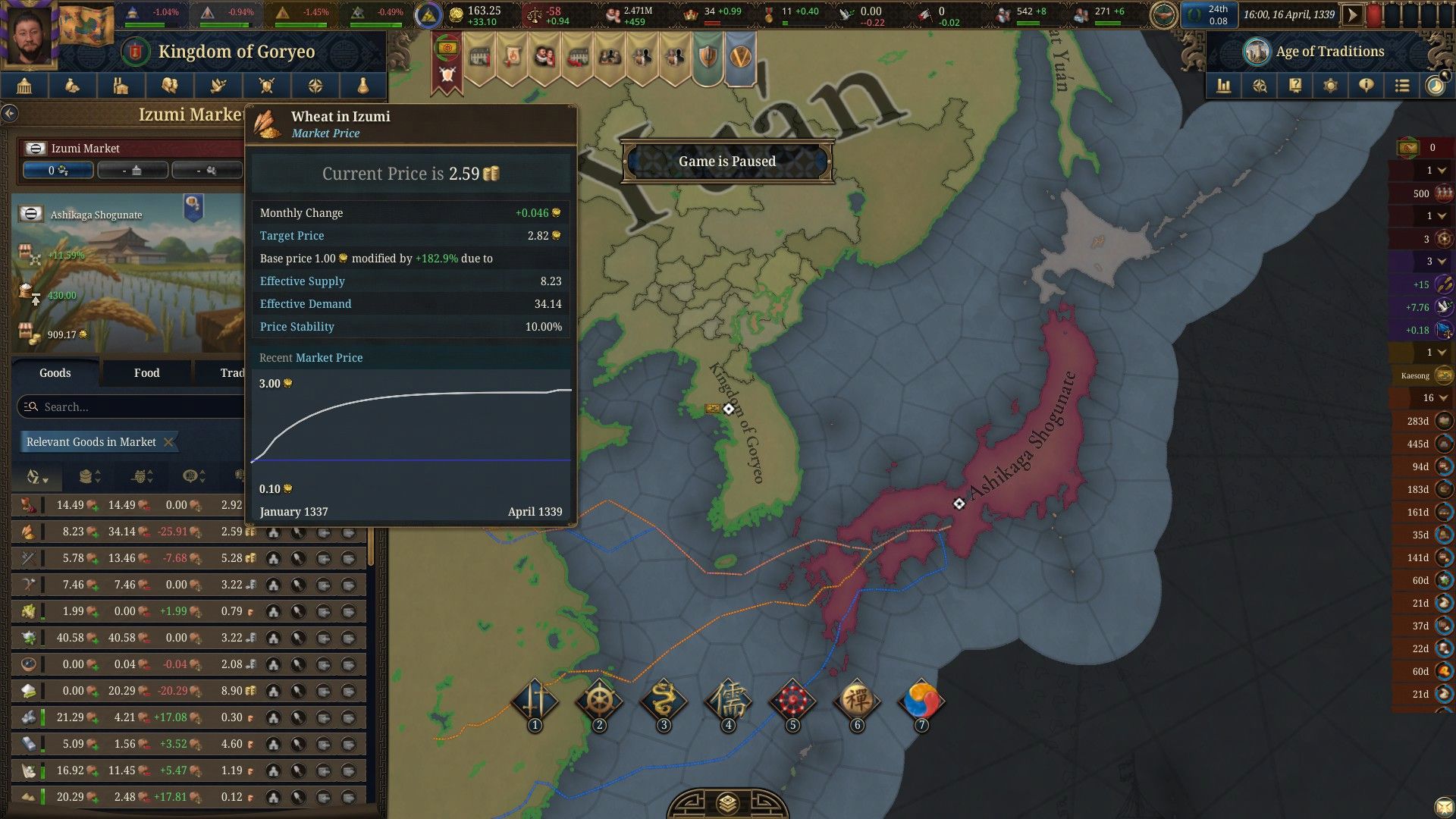
Image credit:Rock Paper Shotgun / Paradox Interactive
Ports
“Certain places on the map are better suited as ports than others,” say Paradox. This means there are “natural harbours”, like A Coruña in Spain, or the entirety of the bloody Netherlands. Trade will be more efficient in these places, while armies will load and unload faster. Blockading a port will still absolutely fuck up your enemy, suggest the developers, and it can take “months to recover”. Shipyards in the previous game couldn’t handle a lot of shipbuilding. But now you’ll be able to queue multiple navy ships at one. “At the end of the game you can build close to twenty ships at the same time in the same shipyard,” they say, inviting naval players to weep with joy.
Roads
Where we’re going we do need roads. EU5 will have “the most in-depth systems of roads we have ever made” say Paradox Tinto. As in Imperator, roads will greatly increase an army’s movement speed and boost trade. You can micromanage and build each road yourself by trailing the mouse around in road building mode, or you can let the game set up efficient proposed paths for you.
Embargos
That map-crossing of goods means your merchants may have to pay tolls in some places, and might even be blocked from selling in some countries. “Each market can have specific goods banned for export or import,” say the devs, “with one common example being that muslim markets will ban import and export of wine, beer and liquor.” You can slap up your own trade embargos, banning outside merchants, at the risk of inflaming foreign relations (hmmm, topical!) If this is all sounding a tad much, remember that Europa Universalis 5 will let you automate a lot of this stuff.
Advances and technology
At the start of each Age you have to pick a focus. This will determine the technology and advances you can make across the game’s obscenely broad tech tree (there are 2000 advances across all ages, we’re told). You can line things up in a research queue or, as with many other features, fully automate this research and let the computer decide for you. I’m sure it won’t drive your nation into the ground.
Military
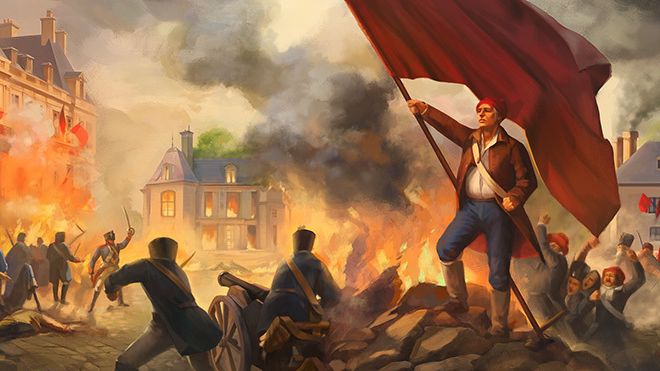
Image credit:Paradox Interactive
Marching into other countries with swords and guns to expand your borders will still be a common way to play. Here’s the important military stuff explained.
Armies
There are four types of troop: infantry, cavalry, artillery, and auxiliary. Levies can be raised when you’re under attack or rebels rise up. And mercenaries can still be hired for a fee (but may also abandon you if paid off by opponents). Your levies, however, will come straight from your country’s pops. Meaning when they die, your population numbers will go down. This means that wars have a noticeable effect on the economy. Less people alive means less people to tax, don’t you know.
Battles
Battles in EU4 were measured in days. But time in EU5 will tick over in hours - a necessity born of the “granularity” of the map, say Paradox. You can micromanage armies by making sure your regiments go on the correct flanks, or you can auto-balance them. But in the end, battles are still a boiling broth of dice rolls, morale values, and blood formulae bubbling away deep in the code as the battle goes on. You can look deeper into it if you like. Speed and initiative are important in a way they weren’t before, for example. And a clever player can still make use of terrain for defensive victories. But basically: bigger numbers and better guns win fights.
Casus Belli
In Europa Universalis games you can’t just stomp out and declare war, you always need a justifiable reason - a casus belli. This is still the case in EU5, but you won’t have the ever-reliable “fabricate claim” method as in the past. Instead, you’ll have to get more creative. There will be 50+ different CB excuses to march into a foe’s turf, “depending on circumstances”. If they’ve used privateers in your waters, for example, or if you mean to rebel against your overlords and “throw off the Tartar Yoke”. Other casus belli might simply be triggered because of an “insult”.
Logistics
Ah, sexy logistics. In EU5 an army’s morale will slowly deplete as they move. This is to reflect the difficulty of marching across the country (Hearts Of Iron does something similar). Bigger armies will march slower, and every army needs to eat. The new “auxiliary” type of regiment has units that support armies with stacks of rations. But your troops might also steal food from occupied provinces they pass through. Although the devs note this might, uh, starve the local pops.
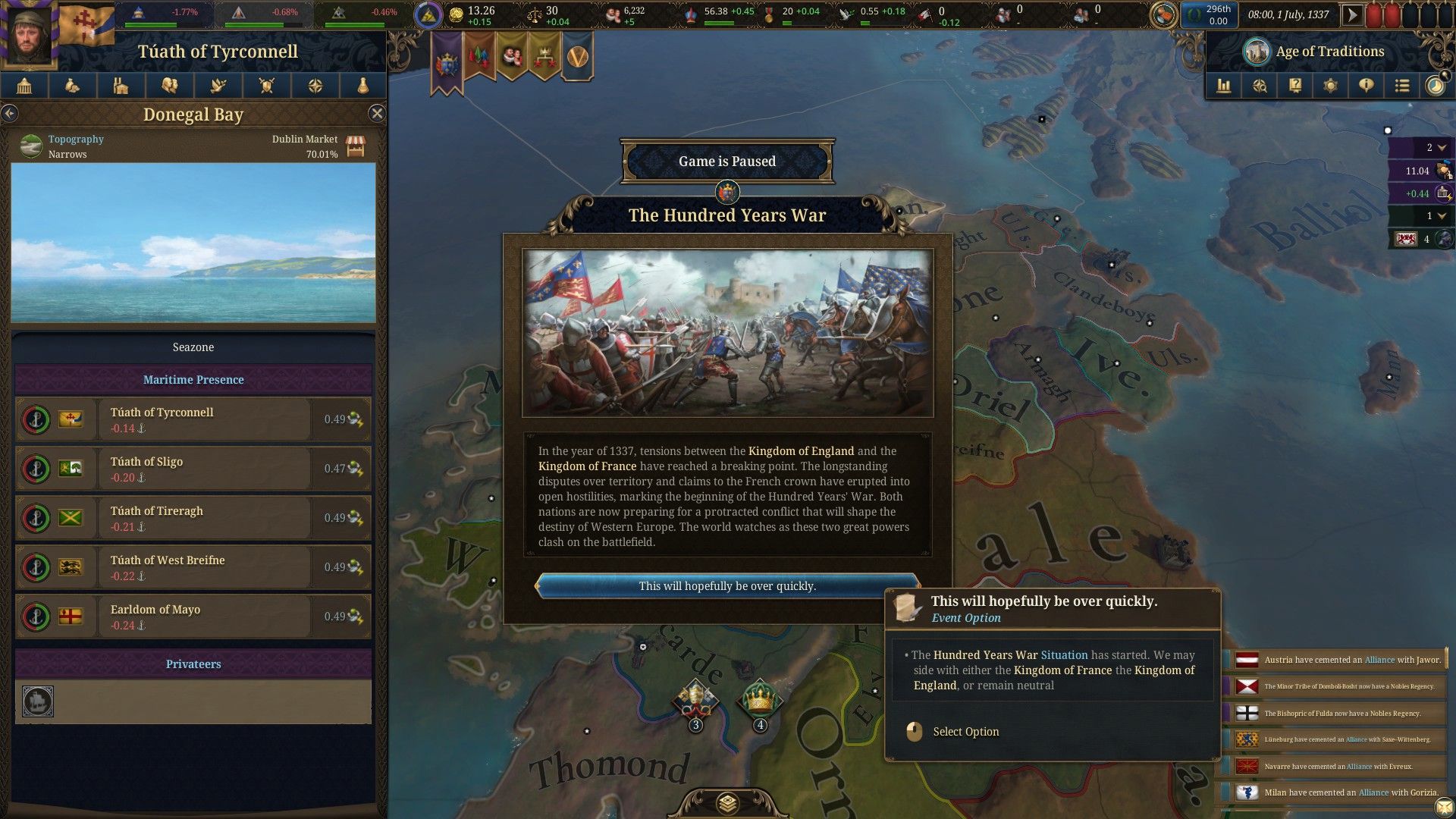
Image credit:Rock Paper Shotgun / Paradox Interactive
Sieges
“Sieges are gambles,” say Paradox. Food will run out fast for an attacking army, while both sides risk disease and water problems. Assaulting the city or fort instead of holding out is meant to be a more enticing option, because even if you lose, you can take your survivors and save on the food you would have lost in an otherwise lengthy standoff.
Devastation
If war ravages a piece of land, it will suffer “devastation”, a state that has “a rather huge impact”. It reduces the population over time and greatly lessens the food and materials produced there. Basically, your land and its people will be wrecked and unable to function until they recover - a process that might take years. Although you will be able to make cabinet decisions to speed up redevelopment.
Aggressive expansion
Previously, EU4 had an abstract figure attached to your nation called “antagonism” which basically put a number on how much of a bullying prick you were to other countries. Here, it is reworked as “aggressive expansionism”. It’s similar but not entirely the same. Taking over other nations increases this value, but “also impacts the opinions of other countries near the source of the aggressive expansion a fair bit.” In other words, if you keep invading folks, and this figure swells too high, a coalition of other nations may form to take you down.
Rebels
If your pops become too unsatisfied, they may join a rebel faction. These rebels can fall into several categories: nationalist independence movements, pretenders to the throne, or religious warriors, for example. Slave populations may also seek freedom by rebelling. When a war with these pops breaks out it can be classed as a “revolt”, sometimes involving another country as a supporter. Or it may be a serious internal “civil war”.
Civil War
Losing a civil war won’t result in a game over, as it does in Imperator Rome, we’re told. You’ll instead have the option to continue playing as the winning side. That means a new ruler, rewritten laws, possibly a different religion… “After all, if the peasants revolt and win, you will not keep your glorious full serfdom monarchy as it once was.”
The World
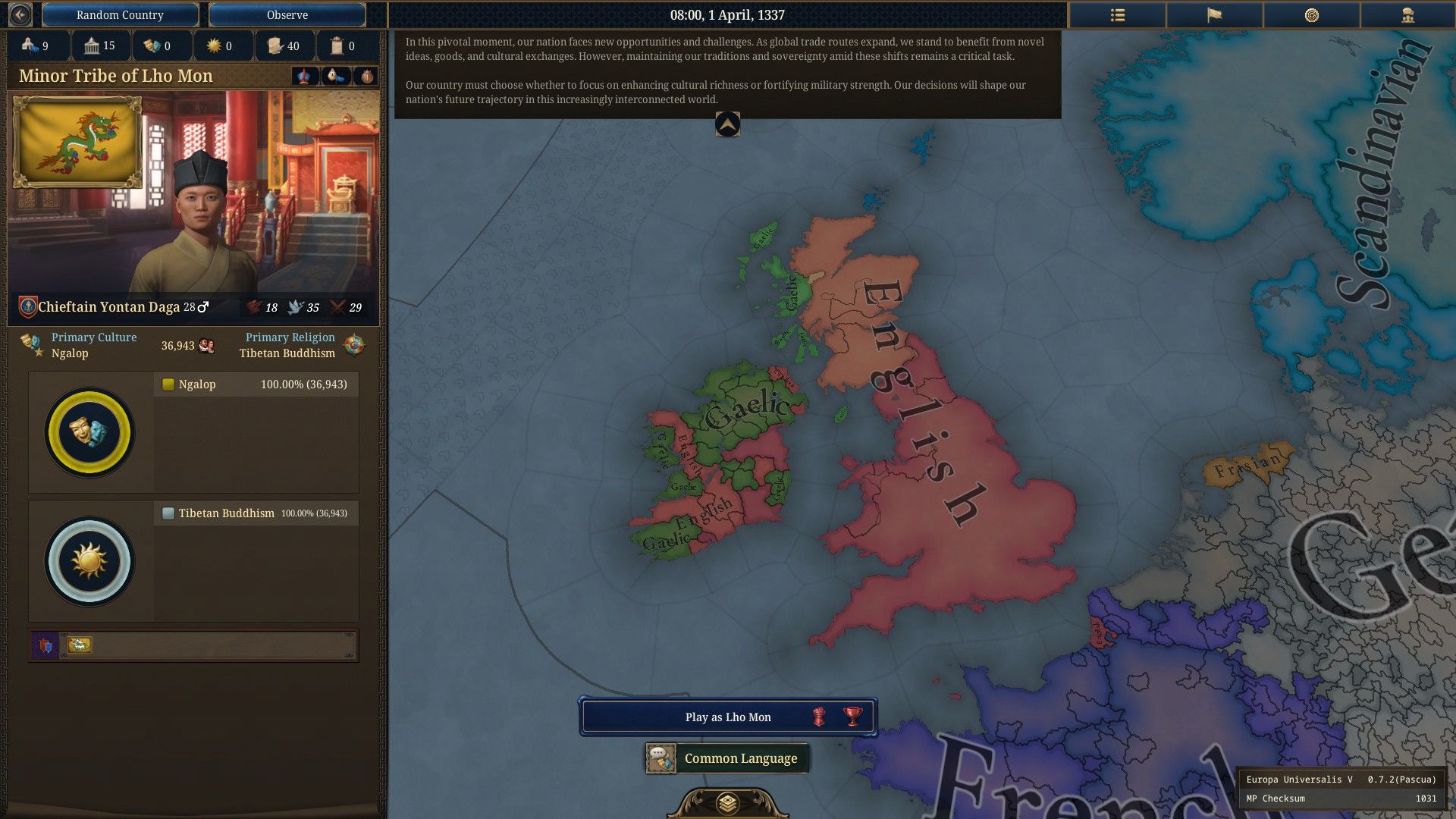
Image credit:Rock Paper Shotgun / Paradox Interactive
Europa Universalis is as much about geography as it is about history. But both are important to get right. Here’s a summary of some important geo-historical features.
The world map
Paradox is the kind of game studio staffed by people with history PhDs. Their maps are recreated with “historical map sources from academic works, geographical data, [and] administrative data”. You can see how the world is coming together in this exhaustive collection of map screenshots which divide the world by religion, government type, climate, and so on.
Terrain
In EU4 terrain was fairly straightforward, with simple tile types like “Marsh”, “Savannah”, “Woods”, “Desert”, and so on. But in EU5 it’s more complex . Each province will have a climate to determine local weather (eg. Tropical, Arid, Arctic). But also a topology to show what the landscape itself is like (Flatland, Mountains, Coastal Ocean). Finally, it’ll have vegetation (Jungle, Farmland, Sparse). These three modifiers - climate, topology, and vegetation - will basically be smooshed together in various combos. So terrain can be summarised as “tropical jungle mountains” or “sparse arctic coast”. This terrain will still affect armies greatly (an “Inland Sea” can freeze over in winter, allowing troops to cross) but it’s also important for other reasons. Food production will suffer a penalty in the desert, for instance. And life expectancy is lower in tropical and arctic climates.
Exploration
You can spend a “significant amount” of gold to send characters off exploring the far reaches of the globe. That mission might have setbacks while cutting through vines or crossing tundra, increasing the time it takes to unveil land your country doesn’t know about yet. The speed at which your explorers move will also “take into account the historical ‘sea lanes’ that were used by ships and fleets during the Age of Sail, taking advantage of their knowledge of winds and sea currents.” But there is at least one shortcut to exploration. “If you have built a spy network in another country,” say Paradox, “you can use it to steal some of their maps.”

Image credit:Paradox Interactive
Colonising
Hmmm. To settle your people in another area you’ll need to buy an expensive “colony charter”. But there are limits to settling. You need to reach a certain threshold of “projected power” (basically a measure of how “advanced” your nation is). When you get the colony charter, your targeted colony will slowly fill as some of your pops move there. Since pops don’t appear out of nothing, and really must move from one place to another, colonisation is “not a feasible strategy as a low population country,” say Paradox. The idea is that it will be a long and expensive process, although it can be helped along with some cabinet actions during the Age of Discovery.
Slavery
A controversial feature, to say the least. Paradox have said they “did not want to water down history” by leaving the practice out of the new Europa Universalis. Their approach is to directly simulate it, warts and all. Like everything else, we see it from a top-down perspective, and its sounds as detailed as it is uncomfortable. A dev diary explains things more fully but basically here’s how it works. Early years will feature slavery in some specific nations. For example, Aztec nations, Berbers, some Indian and African countries. Later years will introduce the “triangle” trade of slaves fuelled by European colonialism in all its ugliness. Slaves are treated as both “pops” and as “goods”, meaning nations can shift populations through trade markets. Slaves can revolt, as mentioned above, and if literacy levels become high among those pops it will drive intense dissatisfaction. You will be able to expel slavers and free slaves stolen from your own nation by going to war, but you will also be able to profit and benefit from the slave trade, at least until the tides of history turn against the practice. Paradox are leaving that choice to the player.
Disasters
These come in two flavours. Big country-specific historical disasters that mirror real world catastrophes (eg. the War of the Roses in England). And more general crises that can afflict any nation, such as a “court and country” disaster, which can trigger if you are an absolutist royal ruler who is simply upsetting everyone. That particular crisis can last ten years and you have to solve it by bringing everyone’s satisfaction up while also revoking privileges and reining in rebellious folk. Another disaster called “religious turmoil” will break out if your clergy can’t handle religious disunity, causing “a lot of conflict”. On top of this there are also natural disasters - earthquakes, hurricanes, and even the “little ice age” .
Disease
There’ll be many illnesses sweeping the world at various points. Aside from old faithful - the Bubonic plague - there will be regular outbreaks of malaria, typhus, smallpox, measles and so on. One is called “the great pestilence” and will predominantly affect the people of the “New World” to reflect the many diseases brought by European colonisers. “This has a gigantic mortality effect,” says Paradox, “killing between 75% to 90% of all pops.” Pops will build immunity to these sicknesses over time, but you can also help by building hospitals and other buildings.
Winter
Not all lands will suffer harsh winters, but where it happens the effects can be severe. Some winters are tougher than others. Food production can drop to zero, killing your marching armies stone dead. Construction of buildings can stall until the weather improves. Mountain terrain may become impassable. And entire sea passages may freeze, impacting trade and making naval manoeuvres impossible. Although, as mentioned above, you may be able to courageously march an army over ice.
Situations
A somewhat understated word for the dramatic game-spanning events that affect multiple countries over time, to create a sense of continuity. The big example of a “situation” is the Black Death, but political upheaval will also see the Italian Wars needing to be addressed. In China, the Red Turban rebellion will cause a headache for players of the Yuan Dynasty, and you’ll need to regain stability to fix that problem.
Culture
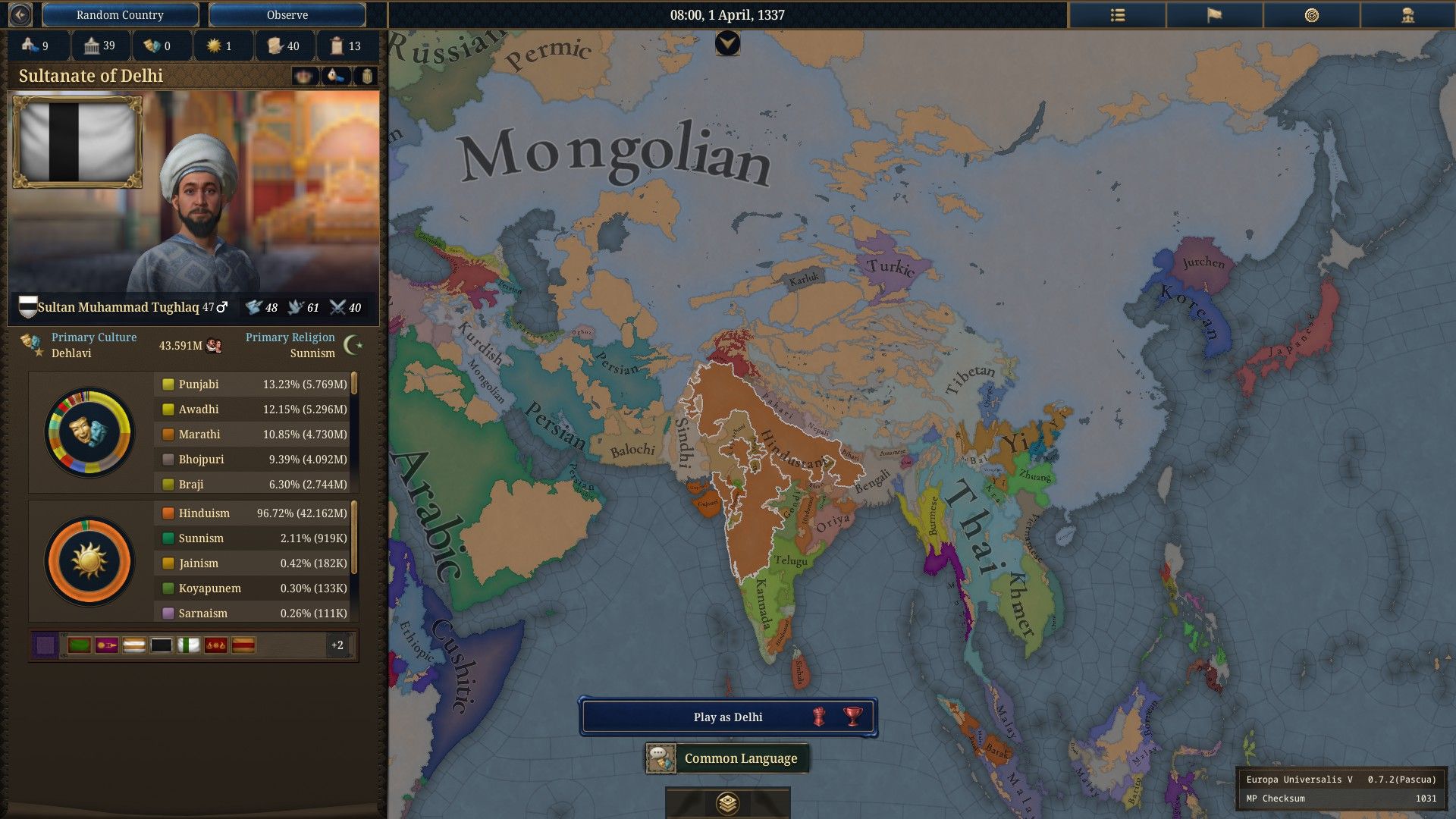
Image credit:Rock Paper Shotgun / Paradox Interactive
If your country’s population is what will truly drive Europa Universalis 5, then what they believe and how they practice those beliefs will also matter. Here are the big points.
Cultures
Another “tricky topic” according to Paradox, but mostly because the very idea of “a culture” is hard to define. Your country will have a “primary culture”, but there will likely be other cultures in your borders. The Iberian peninsula, for example, might include the Aragonese, Andalusi, Basque, Catalan, etc. Each culture will have an opinion of other cultures. For instance, they might consider one another an “enemy”, be broadly “neutral”, or think of them as “kindred”. Your country can also have “non-tolerated” cultures, which means that any pops of that culture will be “pretty miserable” in your nation. Some cultures may also infrequently fall into multiple categories (the devs give a “Norse-Gael” as an example of this).
Religion
There are currently 9 religious supergroups implemented: Christian, Muslim, Eastern, Dharmic, Zoroastrian, Manichean, Judean, Andean, and Pagan. But each of these is further split into sects. For example, Christianity has Calvinism, Catholicism, Orthodoxy, and so on. There’ll be over 300 different religions compared to EU4’s now meagre-sounding 27. Previously, you converted people using missionaries, but this time you’ll have to slowly convert with cabinet decisions, religious buildings, and other means. Some religions have very specific mechanics, limiting what you can do as leader. The funniest example being that Calvinist countries “will never reroll the dice in a battle, as everything is preordained.”
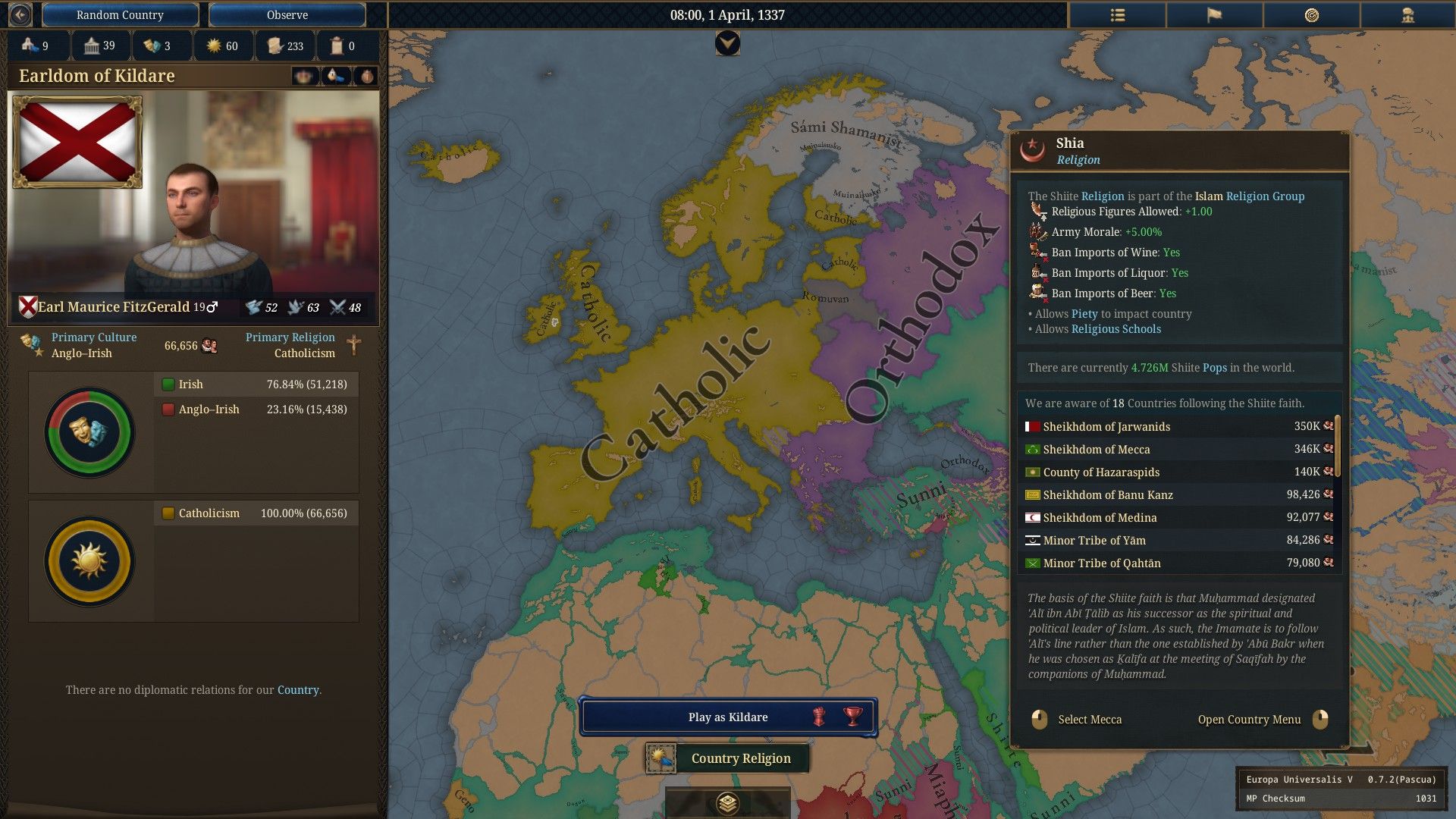
Image credit:Rock Paper Shotgun / Paradox Interactive
Language
A language will be measured by its “Language Power”, which basically shows how widely it is spoken across the world (in practical terms, a big swathe of colour on the map). Your country can get bonuses from having a widely spoken tongue. The game will also simulate liturgical language for your religion’s scripture, and court language for your country’s legal documents. On top of that, various “ligua francae” will emerge in the trade markets that span many nations. As in other Paradox strategies, provinces and towns may see their names change, according to the language of the culture that rules there.
Culture war
Oh God. On top of physical wars, the game will simulate the erosion of a “defending culture” from the effects of an “attacking culture” in something Paradox are somewhat comically calling “culture war”. This will help simulate things like the assimilation of people following land grabs, or the annexation of whole areas due to cultural influence.
Artists
These are named characters that can appear in countries from the renaissance onward. “They will spend their time creating new art, or figuring out what art they should create,” say Paradox, who note you’ll have to pay the artists as a patron. “If you get frustrated with them not producing new art, you can always commission art directly by throwing even more money at them.” Artists can be sculptors, painters, writers, architects, and so on. You can also steal artists from neighbouring countries.
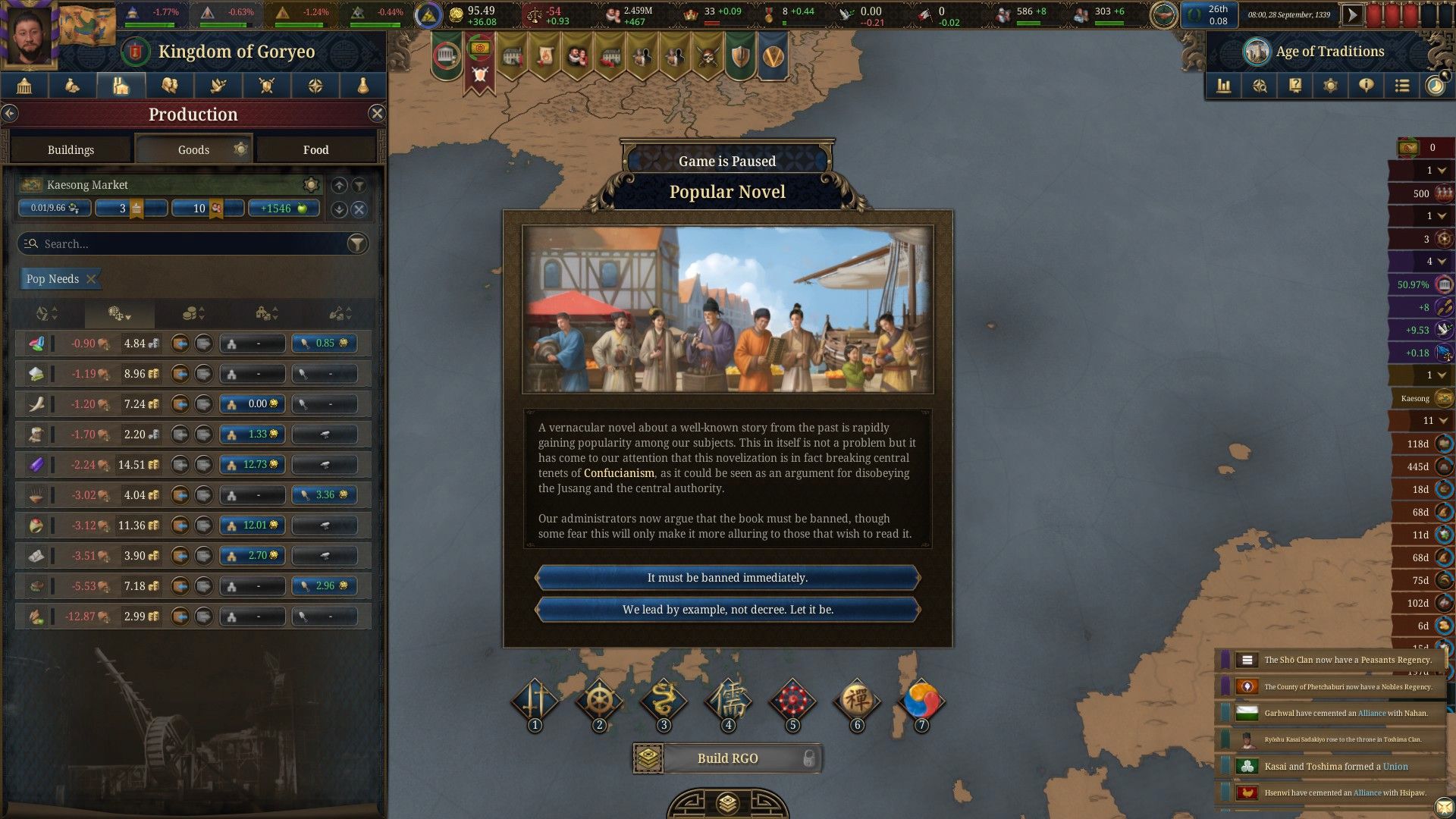
Image credit:Rock Paper Shotgun / Paradox Interactive
Works of art
The paintings, buildings, and written works that artists make. There are 250 of these planned so far. They will increase your nation’s cultural influence and provide benefits to the city that houses them, but can be looted or destroyed by other countries. Yes, you can “make your own British museum”, say Paradox.
Literacy
Your “pops” will have a literacy level, and this can be a good or bad thing depending on your goals. If literacy rises among slave populations, unrest will rise with it, for example. But a county with high literacy among its people will have a higher research speed.
Societal values
These are broad philosophies that your country will embrace. They might be “Spiritualist”, meaning there’ll be more clergy in towns and cities. Or the opposite: “Humanist”, meaning your nation will tolerate “heretics” a lot more. There are a lot of other examples . “Belligerent” versus “Conciliatory”. “Mercantilism” versus “Free Trade.” “Individualism” versus “Communalism”. Every one of these grandly conceptual keywords will have some subtle but significant effect on your nation.
Governance
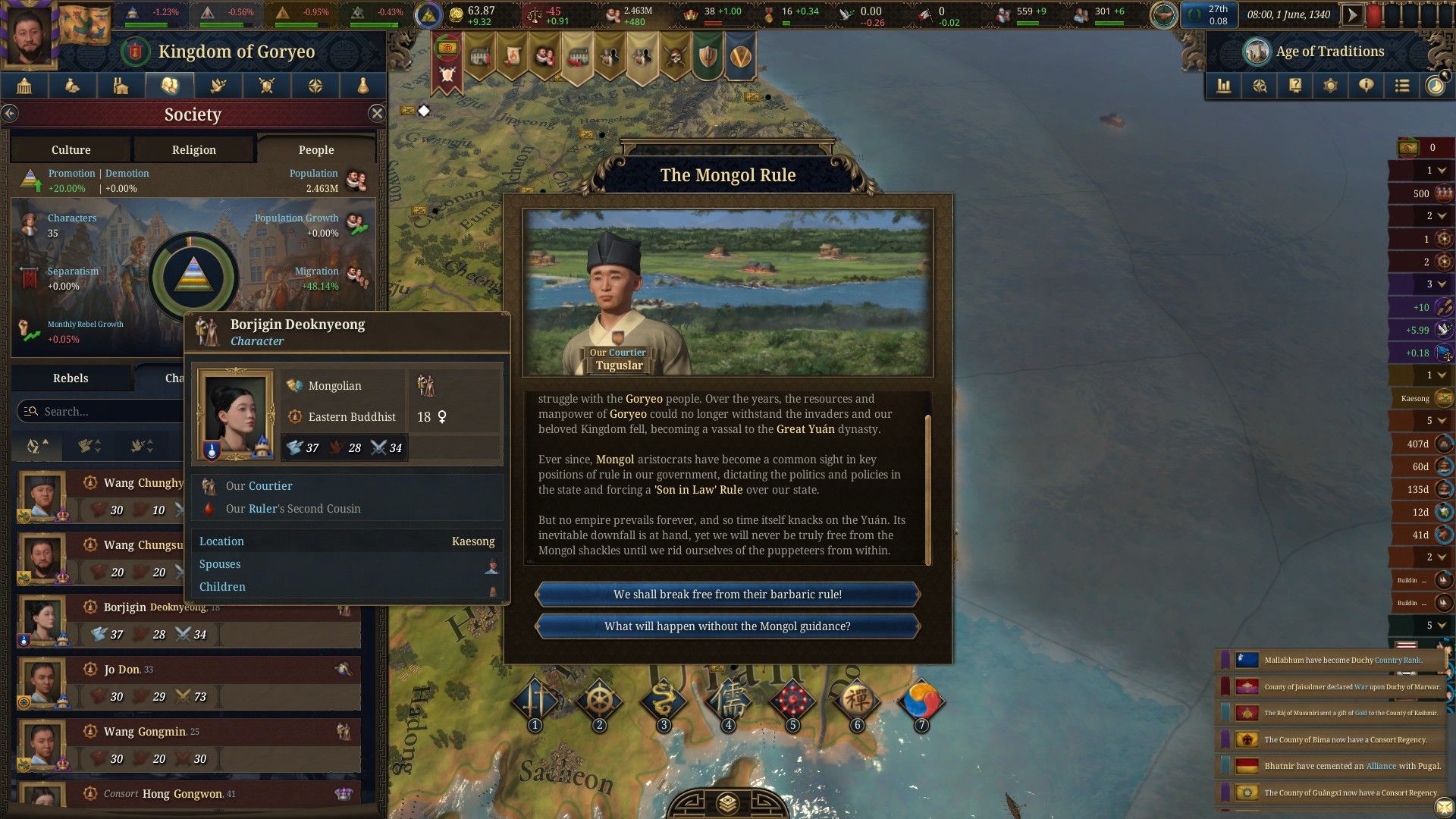
Image credit:Rock Paper Shotgun / Paradox Interactive
This is a complex sim, but at the end of the day (end of the century?) you’re the one in charge. Here’s how a lot of your decision-making and legal wrangling will work.
Government types
There will be at least five different government types to play as, say Paradox. They include: Monarchy, Republic, Theocracy, Tribe, and Steppe Horde. Each of these will approach ruling in a slightly different way.
Cabinet
One place for characters to end up will be your nation’s cabinet, where you can assign members of the ruling classes a job to carry out. This might be anything from doing counterespionage to encouraging people to migrate to your country (or, conversely, expelling them).
Laws
The laws you’ll pass will have powerful effects, but are designed to be slow to wind up. And they won’t be easy to walk back or change. For example one law will have you choose between a free press (decreased crown power and a trend towards free subjects) or state press (increased crown power and a slow march towards serfdom). There will be religious laws, military laws, industrial laws, and so on.
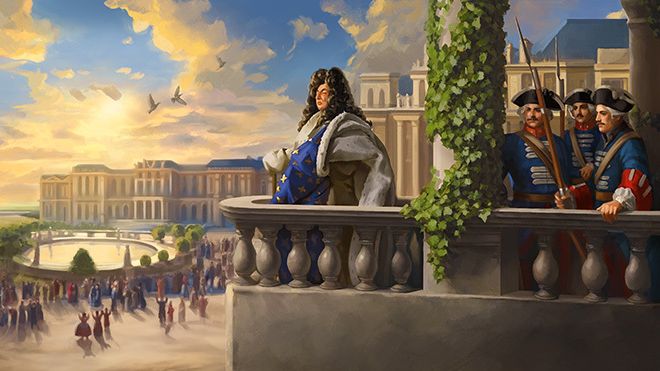
Image credit:Paradox Interactive
Government reforms
These are specific laws you can enact throughout your stewardship. A common example is “religious tolerance”, which is useful if your country ends up housing many different faiths. But others will be unique to a government type or culture. Icelandic nations can enact “family sagas”, for instance, which allows the nation to recruit explorers or invite settlers. There’ll be over 150 unique government reforms to enact in the game at launch, say Paradox.
Parliament
The various groups of your country will be bickering in parliament as you rule. But different parliament types will determine who has more sway. The clergy might have a lot of influence, or the burghers may run the show. In the Age of Absolutism, it’s possible for the crown (ie. you) to be the biggest player. Whatever the case, you still get to set the agenda for parliaments, deciding what the squabblers will discuss. Should the country conduct a census? Or expand mining operations? You’ll get a modifier as the debate goes on (reduced cost to building, for example) but also suffer a penalty if the debate doesn’t go your way.
Diplomacy
Taking a diplomatic action will spend diplomats, a “renewable” resource that you’ll have to use wisely. You can still send a gift of money or dispatch a diplomat to “improve relations” which will increase another nation’s opinion of you. But this “opinion” is not the same as “trust”, something that builds lasting alliances and needs to be earned in other ways.
Diplomatic range
You can’t send a diplomat to Japan if you’re playing as the King of Spain in the 1300s. There are limits to your little dudes’ legs. But this range is likely to increase throughout the ages, as technology advances and trade routes grow.
Spies
You can build a spy network inside other countries, via various “diplomatic” actions and other skulduggery. A large and developed spy network will benefit you in a war, for example during a siege.
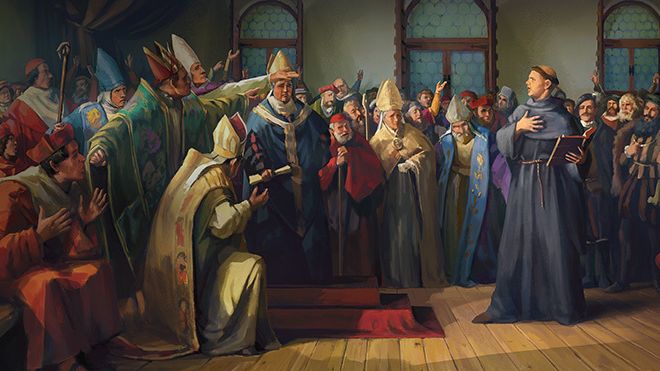
Image credit:Paradox Interactive
Rivals
In EU4 your country would often have a “rival” nation. That feature returns but will be “less opaque”, say Paradox. “A valid rival is someone within a geographical area that is of a similar or higher rank, or shares a culture group.” England and France are classic examples. Not having a rival will have downsides, such as weakening your spy networks.
International organisations
Nations may sometimes form bigger coalitions and unions. Big historical examples of this include the Holy Roman Empire and Roman Catholic Church, both existing as entities in Europa Universalis 5. But some new ones will be here too, like the Middle Kingdom of China, and the Tartar Yoke. Not to mention other non-historical international organisations that may arise organically.
Ahistorical countries
Something you’ll often do in Europa Universalis games is gather together all the prerequisites to form a certain named country. You might own a bunch of provinces in northern Europe that’ll let you click a button to finally “form the Netherlands”. In EU5 this will include some fantastical nation states. Those we know about so far include: Europa, Carthage, the Latin Empire, the North Sea Empire, and Hen Ogledd . A full list of other formable nations can be found here .
Phew
Okay, that was a lot, no? Europa Universalis 5 is shaping up to be an interesting and intricate simulation of world history. Grand strategy does not come much grander than these beasts of maps and gold. We’ll have more coverage of the game to come, and I’m intrigued to see if it will do a good job of tutorialising all these sometimes overwhelming granular systems. If Crusader Kings 3 could manage it, maybe this can too.
Europa Universalis V
PC
Rock Paper Shotgun is better when you sign in
Sign in and join us on our journey to discover strange and compelling PC games.

All 75 Arc Raiders Blueprints and where to get them
These areas have the highest chance of giving you Blueprints
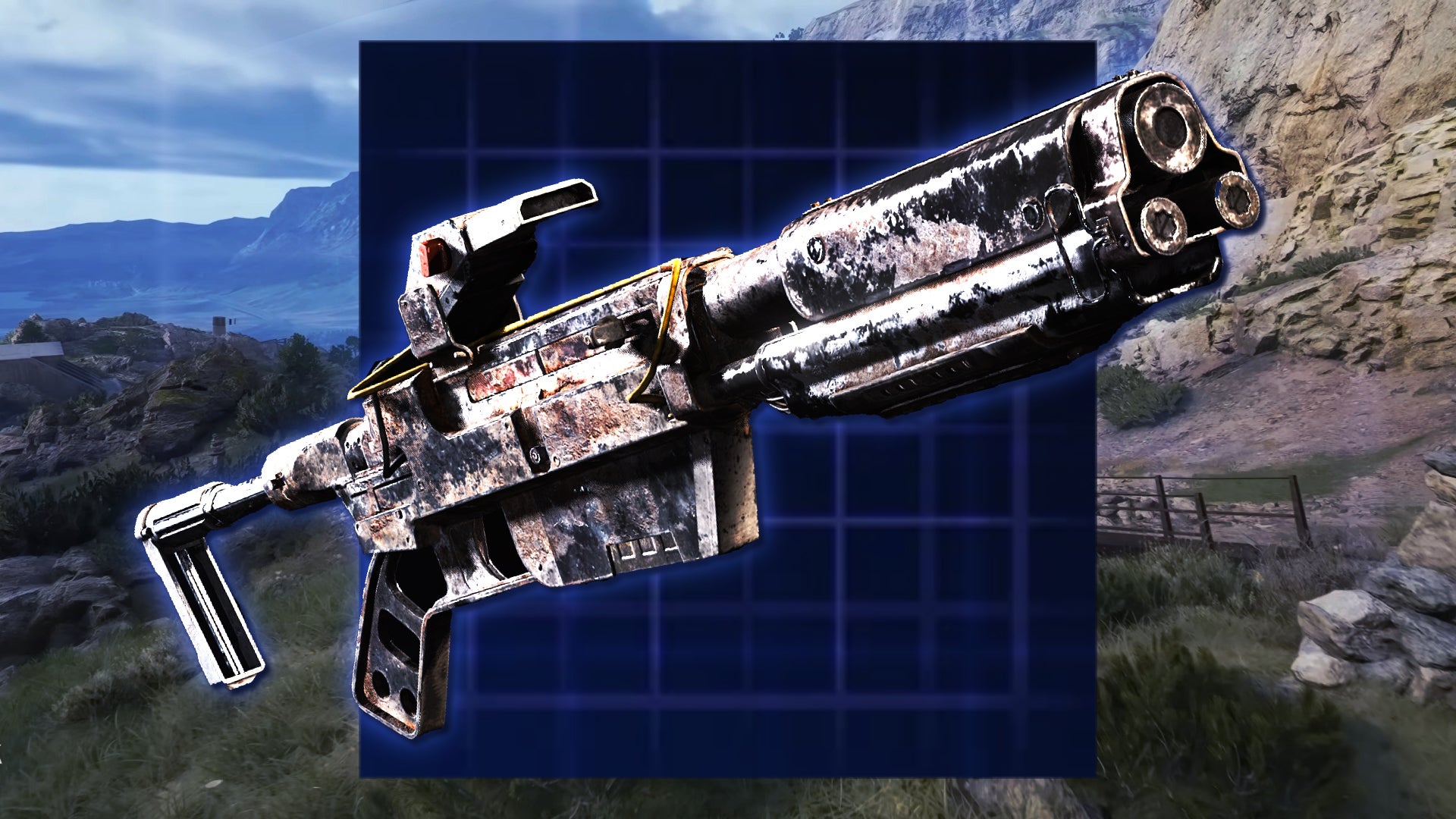
Image credit:Rock Paper Shotgun/Embark Studios

Looking for more Arc Raiders Blueprints? It’s a special day when you find a Blueprint, as they’re among the most valuable items in Arc Raiders. If you find a Blueprint that you haven’t already found, then you must make sure you hold onto it at all costs, because Blueprints are the key to one of the most important and powerful systems of meta-progression in the game.
This guide aims to be the very best guide on Blueprints you can find, starting with a primer on what exactly they are and how they work in Arc Raiders, before delving into exactly where to get Blueprints and the very best farming spots for you to take in your search.
We’ll also go over how to get Blueprints from other unlikely activities, such as destroying Surveyors and completing specific quests. And you’ll also find the full list of all 75 Blueprints in Arc Raiders on this page (including the newest Blueprints added with the Cold Snap update , such as the Deadline Blueprint and Firework Box Blueprint), giving you all the information you need to expand your own crafting repertoire.
In this guide:
- What are Blueprints in Arc Raiders?
- Full Blueprint list: All crafting recipes
- Where to find Blueprints in Arc Raiders Blueprints obtained from quests Blueprints obtained from Trials Best Blueprint farming locations

What are Blueprints in Arc Raiders?
Blueprints in Arc Raiders are special items which, if you manage to extract with them, you can expend to permanently unlock a new crafting recipe in your Workshop. If you manage to extract from a raid with an Anvil Blueprint, for example, you can unlock the ability to craft your very own Anvil Pistol, as many times as you like (as long as you have the crafting materials).
To use a Blueprint, simply open your Inventory while in the lobby, then right-click on the Blueprint and click “Learn And Consume” . This will permanently unlock the recipe for that item in your Workshop. As of the Stella Montis update, there are allegedly 75 different Blueprints to unlock - although only 68 are confirmed to be in the game so far. You can see all the Blueprints you’ve found and unlocked by going to the Workshop menu, and hitting “R” to bring up the Blueprint screen.
It’s possible to find duplicates of past Blueprints you’ve already unlocked. If you find these, then you can either sell them, or - if you like to play with friends - you can take it into a match and gift it to your friend so they can unlock that recipe for themselves. Another option is to keep hold of them until the time comes to donate them to the Expedition.
Full Blueprint list: All crafting recipes
Below is the full list of all the Blueprints that are currently available to find in Arc Raiders, and the crafting recipe required for each item:
| Blueprint | Type | Recipe | Crafted At |
|---|---|---|---|
| Bettina | Weapon | 3x Advanced Mechanical Components 3x Heavy Gun Parts 3x Canister | Gunsmith 3 |
| Blue Light Stick | Quick Use | 3x Chemicals | Utility Station 1 |
| Aphelion | Weapon | 3x Magnetic Accelerator 3x Complex Gun Parts 1x Matriarch Reactor | Gunsmith 3 |
| Combat Mk. 3 (Flanking) | Augment | 2x Advanced Electrical Components 3x Processor | Gear Bench 3 |
| Combat Mk. 3 (Aggressive) | Augment | 2x Advanced Electrical Components 3x Processor | Gear Bench 3 |
| Complex Gun Parts | Material | 2x Light Gun Parts 2x Medium Gun Parts 2x Heavy Gun Parts | Refiner 3 |
| Fireworks Box | Quick Use | 1x Explosive Compound 3x Pop Trigger | Explosives Station 2 |
| Gas Mine | Mine | 4x Chemicals 2x Rubber Parts | Explosives Station 1 |
| Green Light Stick | Quick Use | 3x Chemicals | Utility Station 1 |
| Pulse Mine | Mine | 1x Crude Explosives 1x Wires | Explosives Station 1 |
| Seeker Grenade | Grenade | 1x Crude Explosives 2x ARC Alloy | Explosives Station 1 |
| Looting Mk. 3 (Survivor) | Augment | 2x Advanced Electrical Components 3x Processor | Gear Bench 3 |
| Angled Grip II | Mod | 2x Mechanical Components 3x Duct Tape | Gunsmith 2 |
| Angled Grip III | Mod | 2x Mod Components 5x Duct Tape | Gunsmith 3 |
| Hullcracker | Weapon | 1x Magnetic Accelerator 3x Heavy Gun Parts 1x Exodus Modules | Gunsmith 3 |
| Launcher Ammo | Ammo | 5x Metal Parts 1x Crude Explosives | Workbench 1 |
| Anvil | Weapon | 5x Mechanical Components 5x Simple Gun Parts | Gunsmith 2 |
| Anvil Splitter | Mod | 2x Mod Components 3x Processor | Gunsmith 3 |
| ??? | ??? | ??? | ??? |
| Barricade Kit | Quick Use | 1x Mechanical Components | Utility Station 2 |
| Blaze Grenade | Grenade | 1x Explosive Compound 2x Oil | Explosives Station 3 |
| Bobcat | Weapon | 3x Advanced Mechanical Components 3x Light Gun Parts | Gunsmith 3 |
| Osprey | Weapon | 2x Advanced Mechanical Components 3x Medium Gun Parts 7x Wires | Gunsmith 3 |
| Burletta | Weapon | 3x Mechanical Components 3x Simple Gun Parts | Gunsmith 1 |
| Compensator II | Mod | 2x Mechanical Components 4x Wires | Gunsmith 2 |
| Compensator III | Mod | 2x Mod Components 8x Wires | Gunsmith 3 |
| Defibrillator | Quick Use | 9x Plastic Parts 1x Moss | Medical Lab 2 |
| ??? | ??? | ??? | ??? |
| Equalizer | Weapon | 3x Magnetic Accelerator 3x Complex Gun Parts 1x Queen Reactor | Gunsmith 3 |
| Extended Barrel | Mod | 2x Mod Components 8x Wires | Gunsmith 3 |
| Extended Light Mag II | Mod | 2x Mechanical Components 3x Steel Spring | Gunsmith 2 |
| Extended Light Mag III | Mod | 2x Mod Components 5x Steel Spring | Gunsmith 3 |
| Extended Medium Mag II | Mod | 2x Mechanical Components 3x Steel Spring | Gunsmith 2 |
| Extended Medium Mag III | Mod | 2x Mod Components 5x Steel Spring | Gunsmith 3 |
| Extended Shotgun Mag II | Mod | 2x Mechanical Components 3x Steel Spring | Gunsmith 2 |
| Extended Shotgun Mag III | Mod | 2x Mod Components 5x Steel Spring | Gunsmith 3 |
| Remote Raider Flare | Quick Use | 2x Chemicals 4x Rubber Parts | Utility Station 1 |
| Heavy Gun Parts | Material | 4x Simple Gun Parts | Refiner 2 |
| Venator | Weapon | 2x Advanced Mechanical Components 3x Medium Gun Parts 5x Magnet | Gunsmith 3 |
| Il Toro | Weapon | 5x Mechanical Components 6x Simple Gun Parts | Gunsmith 1 |
| Jolt Mine | Mine | 1x Electrical Components 1x Battery | Explosives Station 2 |
| Explosive Mine | Mine | 1x Explosive Compound 1x Sensors | Explosives Station 3 |
| Jupiter | Weapon | 3x Magnetic Accelerator 3x Complex Gun Parts 1x Queen Reactor | Gunsmith 3 |
| Light Gun Parts | Material | 4x Simple Gun Parts | Refiner 2 |
| Lightweight Stock | Mod | 2x Mod Components 5x Duct Tape | Gunsmith 3 |
| Lure Grenade | Grenade | 1x Speaker Component 1x Electrical Components | Utility Station 2 |
| Medium Gun Parts | Material | 4x Simple Gun Parts | Refiner 2 |
| Torrente | Weapon | 2x Advanced Mechanical Components 3x Medium Gun Parts 6x Steel Spring | Gunsmith 3 |
| Muzzle Brake II | Mod | 2x Mechanical Components 4x Wires | Gunsmith 2 |
| Muzzle Brake III | Mod | 2x Mod Components 8x Wires | Gunsmith 3 |
| Padded Stock | Mod | 2x Mod Components 5x Duct Tape | Gunsmith 3 |
| Shotgun Choke II | Mod | 2x Mechanical Components 4x Wires | Gunsmith 2 |
| Shotgun Choke III | Mod | 2x Mod Components 8x Wires | Gunsmith 3 |
| Shotgun Silencer | Mod | 2x Mod Components 8x Wires | Gunsmith 3 |
| Showstopper | Grenade | 1x Advanced Electrical Components 1x Voltage Converter | Explosives Station 3 |
| Silencer I | Mod | 2x Mechanical Components 4x Wires | Gunsmith 2 |
| Silencer II | Mod | 2x Mod Components 8x Wires | Gunsmith 3 |
| Snap Hook | Quick Use | 2x Power Rod 3x Rope 1x Exodus Modules | Utility Station 3 |
| Stable Stock II | Mod | 2x Mechanical Components 3x Duct Tape | Gunsmith 2 |
| Stable Stock III | Mod | 2x Mod Components 5x Duct Tape | Gunsmith 3 |
| Tagging Grenade | Grenade | 1x Electrical Components 1x Sensors | Utility Station 3 |
| Tempest | Weapon | 3x Advanced Mechanical Components 3x Medium Gun Parts 3x Canister | Gunsmith 3 |
| Trigger Nade | Grenade | 2x Crude Explosives 1x Processor | Explosives Station 2 |
| Vertical Grip II | Mod | 2x Mechanical Components 3x Duct Tape | Gunsmith 2 |
| Vertical Grip III | Mod | 2x Mod Components 5x Duct Tape | Gunsmith 3 |
| Vita Shot | Quick Use | 2x Antiseptic 1x Syringe | Medical Lab 3 |
| Vita Spray | Quick Use | 3x Antiseptic 1x Canister | Medical Lab 3 |
| Vulcano | Weapon | 1x Magnetic Accelerator 3x Heavy Gun Parts 1x Exodus Modules | Gunsmith 3 |
| Wolfpack | Grenade | 2x Explosive Compound 2x Sensors | Explosives Station 3 |
| Red Light Stick | Quick Use | 3x Chemicals | Utility Station 1 |
| Smoke Grenade | Grenade | 14x Chemicals 1x Canister | Utility Station 2 |
| Deadline | Mine | 3x Explosive Compound 2x ARC Circuitry | Explosives Station 3 |
| Trailblazer | Grenade | 1x Explosive Compound 1x Synthesized Fuel | Explosives Station 3 |
| Tactical Mk. 3 (Defensive) | Augment | 2x Advanced Electrical Components 3x Processor | Gear Bench 3 |
| Tactical Mk. 3 (Healing) | Augment | 2x Advanced Electrical Components 3x Processor | Gear Bench 3 |
| Yellow Light Stick | Quick Use | 3x Chemicals | Utility Station 1 |
Note: The missing Blueprints in this list likely have not actually been added to the game at the time of writing, because none of the playerbase has managed to find any of them. As they are added to the game, I will update this page with the most relevant information so you know exactly how to get all 75 Arc Raiders Blueprints.
Where to find Blueprints in Arc Raiders
Below is a list of all containers, modifiers, and events which maximise your chances of finding Blueprints:
- Certain quests reward you with specific Blueprints .
- Completing Trials has a high chance of offering Blueprints as rewards.
- Surveyors have a decent chance of dropping Blueprints on death.
- High loot value areas tend to have a greater chance of spawning Blueprints.
- Night Raids and Storms may increase rare Blueprint spawn chances in containers.
- Containers with higher numbers of items may have a higher tendency to spawn Blueprints. As a result, Blue Gate (which has many “large” containers containing multiple items) may give you a higher chance of spawning Blueprints.
- Raider containers (Raider Caches, Weapon Boxes, Medical Bags, Grenade Tubes) have increased Blueprint drop rates. As a result, the Uncovered Caches event gives you a high chance of finding Blueprints.
- Security Lockers have a higher than average chance of containing Blueprints.
- Certain Blueprints only seem to spawn under specific circumstances: Tempest Blueprint only spawns during Night Raid events. Vulcano Blueprint only spawns during Hidden Bunker events. Jupiter and Equaliser Blueprints only spawn during Harvester events.
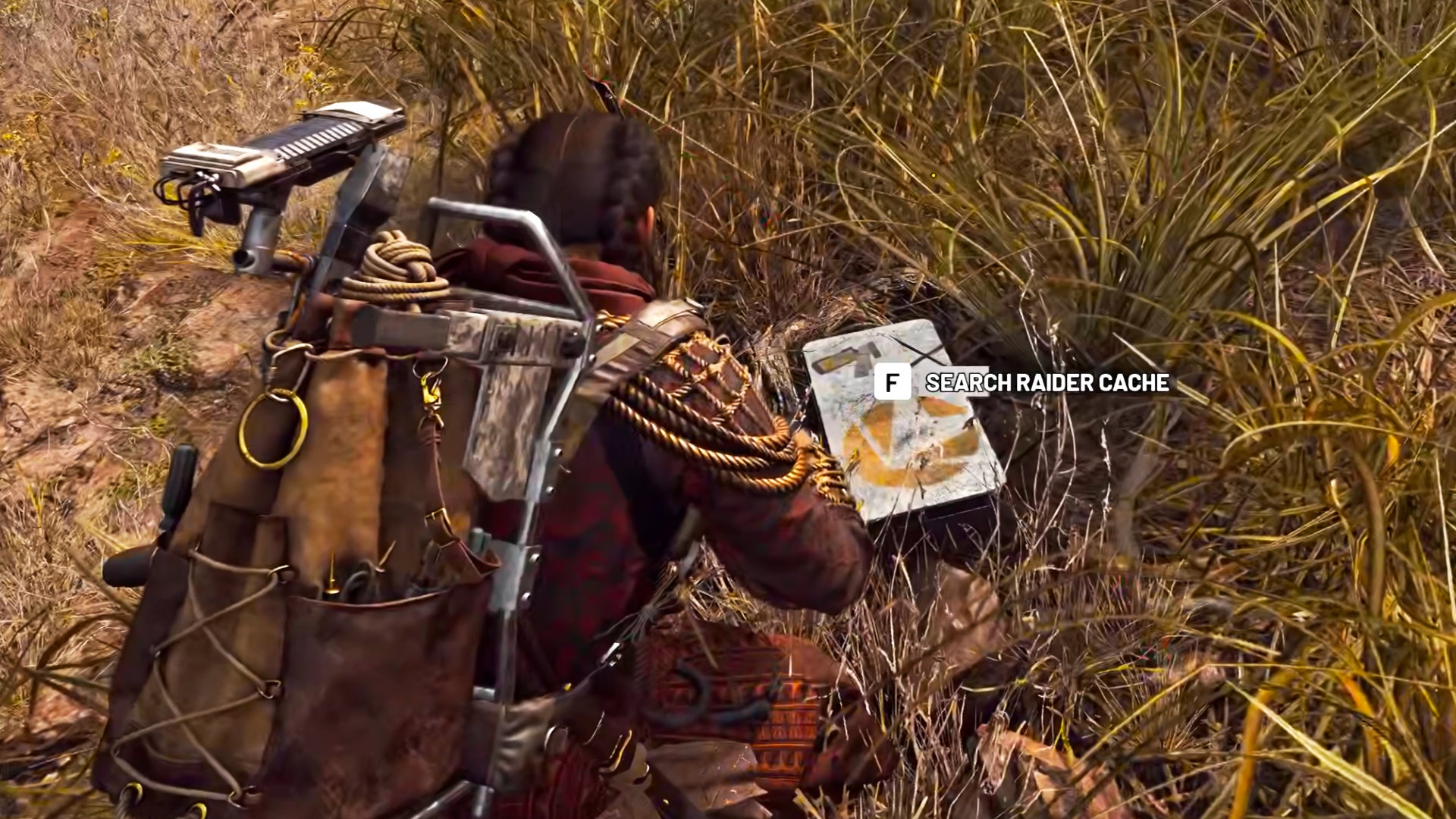
Raider Caches, Weapon Boxes, and other raider-oriented container types have a good chance of offering Blueprints. |Image credit:Rock Paper Shotgun/Embark Studios
Blueprints have a very low chance of spawning in any container in Arc Raiders, around 1-2% on average. However, there is a higher chance of finding Blueprints in particular container types. Specifically, you can find more Blueprints in Raider containers and security lockers.
Beyond this, if you’re looking for Blueprints you should focus on regions of the map which are marked as having particularly high-value loot. Areas such as the Control Tower in Dam Battlegrounds, the Arrival and Departure Buildings in Spaceport, and Pilgrim’s Peak in Blue Gate all have a better-than-average chance of spawning Blueprints somewhere amongst all their containers. Night Raids and Electromagnetic Storm events also increase the drop chances of certain Blueprints .
In addition to these containers, you can often loot Blueprints from destroyed Surveyors - the largest of the rolling ball ARC. Surveyors are more commonly found on the later maps - Spaceport and Blue Gate - and if one spawns in your match, you’ll likely see it by the blue laser beam that it casts into the sky while “surveying”.
Surveyors are quite well-armoured and will very speedily run away from you once it notices you, but if you can take one down then make sure you loot all its parts for a chance of obtaining certain unusual Blueprints.
Blueprints obtained from quests
One way in which you can get Blueprints is by completing certain quests for the vendors in Speranza. Some quests will reward you with a specific item Blueprint upon completion, so as long as you work through all the quests in Arc Raiders, you are guaranteed those Blueprints.
Here is the full list of all Blueprints you can get from quest rewards:
- Trigger Nade Blueprint: Rewarded after completing “Sparks Fly”.
- Lure Grenade Blueprint: Rewarded after completing “Greasing Her Palms”.
- Burletta Blueprint: Rewarded after completing “Industrial Espionage”.
- Hullcracker Blueprint (and Launcher Ammo Blueprint): Rewarded after completing “The Major’s Footlocker”.
Alas, that’s only 4 Blueprints out of a total of 75 to unlock, so for the vast majority you will need to find them yourself during a raid. If you’re intent on farming Blueprints, then it’s best to equip yourself with cheap gear in case you lose it, but don’t use a free loadout because then you won’t get a safe pocket to stash any new Blueprint you find. No pain in Arc Raiders is sharper than failing to extract with a new Blueprint you’ve been after for a dozen hours already.
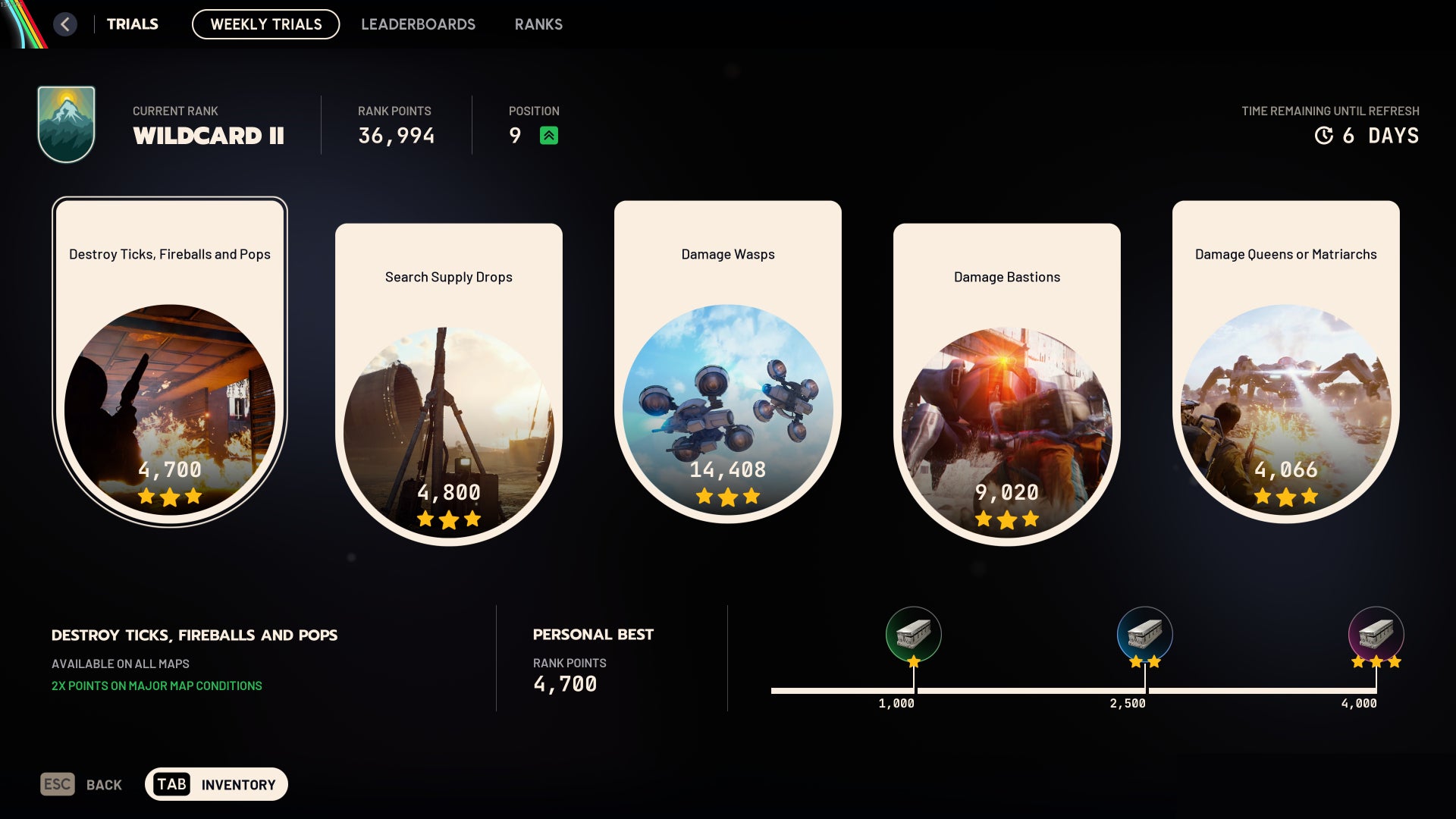
One of the best ways to get Blueprints is by hitting three stars on all five Trials every week. |Image credit:Rock Paper Shotgun/Embark Studios
Blueprints obtained from Trials
One of the very best ways to get Blueprints is as rewards for completing Trials in Arc Raiders. Trials are unlocked from Level 15 onwards, and allow you to earn rewards by focusing on certain tasks over the course of several raids. For example, one Trial might task you with dealing damage to Hornets, while another might challenge you to loot Supply Drops.
Trials refresh on a weekly basis, with a new week bringing five new Trials. Each Trial can offer up to three rewards after passing certain score milestones, and it’s possible to receive very high level loot from these reward crates - including Blueprints. So if you want to unlock as many Blueprints as possible, you should make a point of completing as many Trials as possible each week.
Best Blueprint farming locations
The very best way to get Blueprints is to frequent specific areas of the maps which combine high-tier loot pools with the right types of containers to search. Here are my recommendations for where to find Blueprints on every map, so you can always keep the search going for new crafting recipes to unlock.
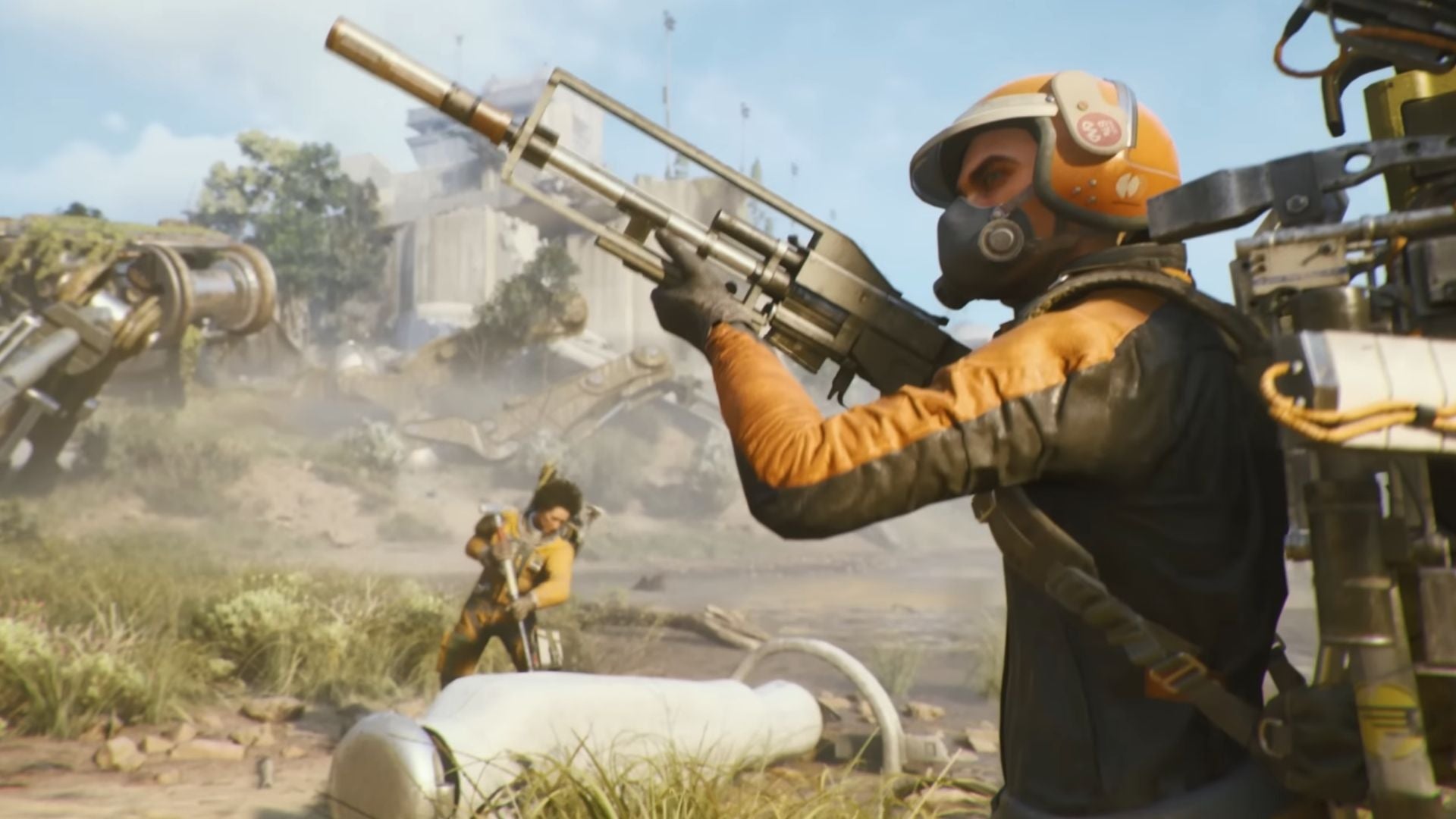
Image credit:Rock Paper Shotgun/Embark Studios
Dam Battlegrounds
The best places to farm Blueprints on Dam Battlegrounds are the Control Tower, Power Generation Complex, Ruby Residence, and Pale Apartments . The first two regions, despite only being marked on the map as mid-tier loot, contain a phenomenal number of containers to loot. The Control Tower can also contain a couple of high-tier Security Lockers - though of course, you’ll need to have unlocked the Security Breach skill at the end of the Survival tree.
There’s also a lot of reporting amongst the playerbase that the Residential areas in the top-left of the map - Pale Apartments and Ruby Residence - give you a comparatively strong chance of finding Blueprints. Considering their size, there’s a high density of containers to loot in both locations, and they also have the benefit of being fairly out of the way. So you’re more likely to have all the containers to yourself.
Buried City
The best Blueprint farming locations on Buried City are the Santa Maria Houses, Grandioso Apartments, Town Hall, and the various buildings of the New District . Grandioso Apartments has a lower number of containers than the rest, but a high chance of spawning weapon cases - which have good Blueprint drop rates. The others are high-tier loot areas, with plenty of lootable containers - including Security Lockers.
Spaceport
The best places to find Blueprints on Spaceport are the Arrival and Departure Buildings, as well as Control Tower A6 and the Launch Towers . All these areas are labelled as high-value loot regions, and many of them are also very handily connected to one another by the Spaceport wall, which you can use to quickly run from one area to the next. At the tops of most of these buildings you’ll find at least one Security Locker, so this is an excellent farming route for players looking to find Blueprints.
The downside to looting Blueprints on Spaceport is that all these areas are hotly contested, particularly in Duos and Squads. You’ll need to be very focused and fast in order to complete the full farming route.
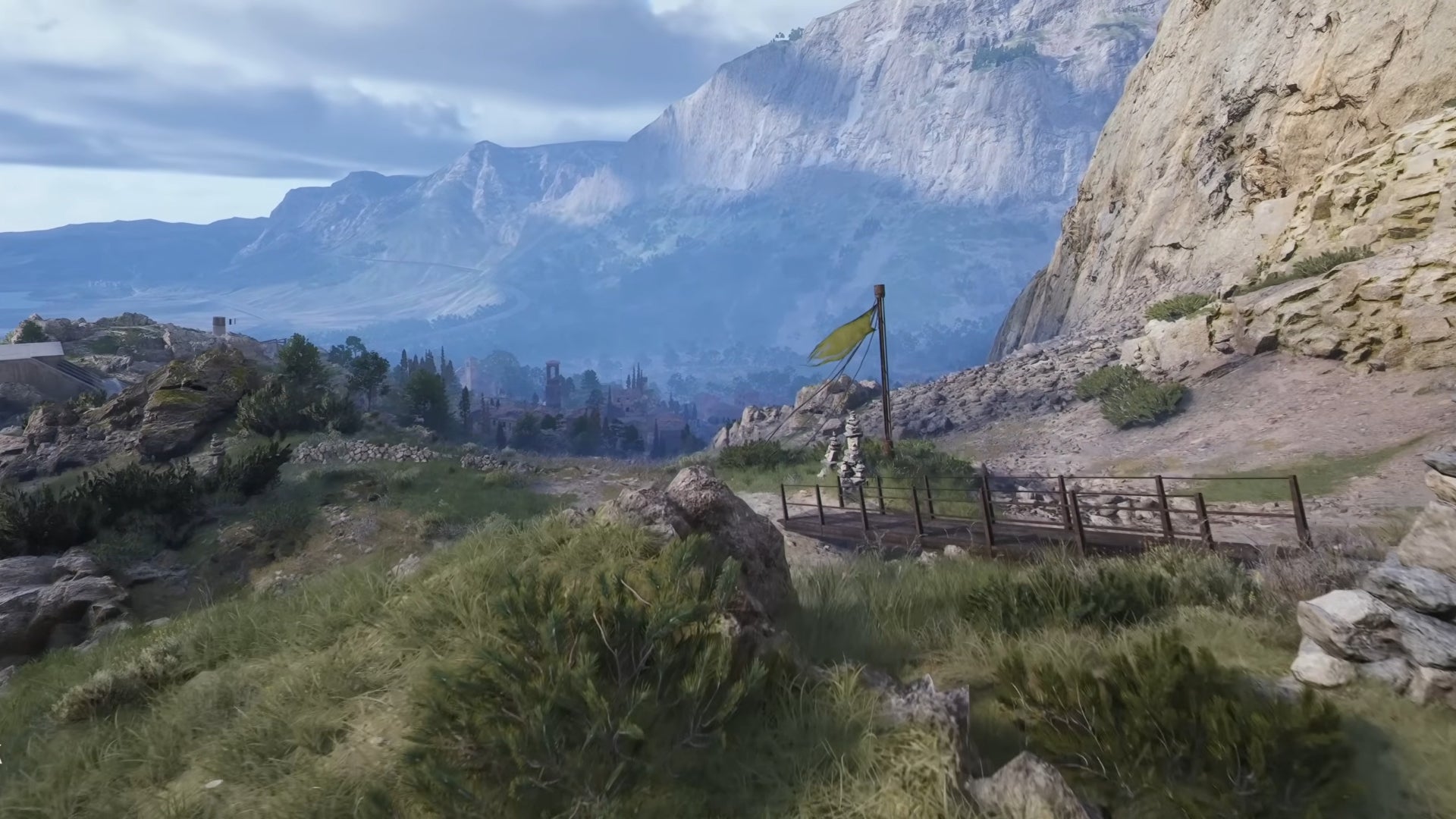
Image credit:Rock Paper Shotgun/Embark Studios
Blue Gate
Blue Gate tends to have a good chance of dropping Blueprints, potentially because it generally has a high number of containers which can hold lots of items; so there’s a higher chance of a Blueprint spawning in each container. In my experience, the best Blueprint farming spots on Blue Gate are Pilgrim’s Peak, Raider’s Refuge, the Ancient Fort, and the Underground Complex beneath the Warehouse .
All of these areas contain a wealth of containers to loot. Raider’s Refuge has less to loot, but the majority of the containers in and around the Refuge are raider containers, which have a high chance of containing Blueprints - particularly during major events.
Stella Montis
On the whole, Stella Montis seems to have a very low drop rate for Blueprints (though a high chance of dropping other high-tier loot). If you do want to try farming Blueprints on this map, the best places to find Blueprints in Stella Montis are Medical Research, Assembly Workshop, and the Business Center . These areas have the highest density of containers to loot on the map.
In addition to this, the Western Tunnel has a few different Security Lockers to loot, so while there’s very little to loot elsewhere in this area of the map, it’s worth hitting those Security Lockers if you spawn there at the start of a match.
That wraps up this primer on how to get all the Blueprints in Arc Raiders as quickly as possible. With the Expedition system constantly resetting a large number of players’ Blueprints, it’s more important than ever to have the most up-to-date information on where to find all these Blueprints.
While you’re here, be sure to check out our Arc Raiders best guns tier list , as well as our primers on the best skills to unlock and all the different Field Depot locations on every map.
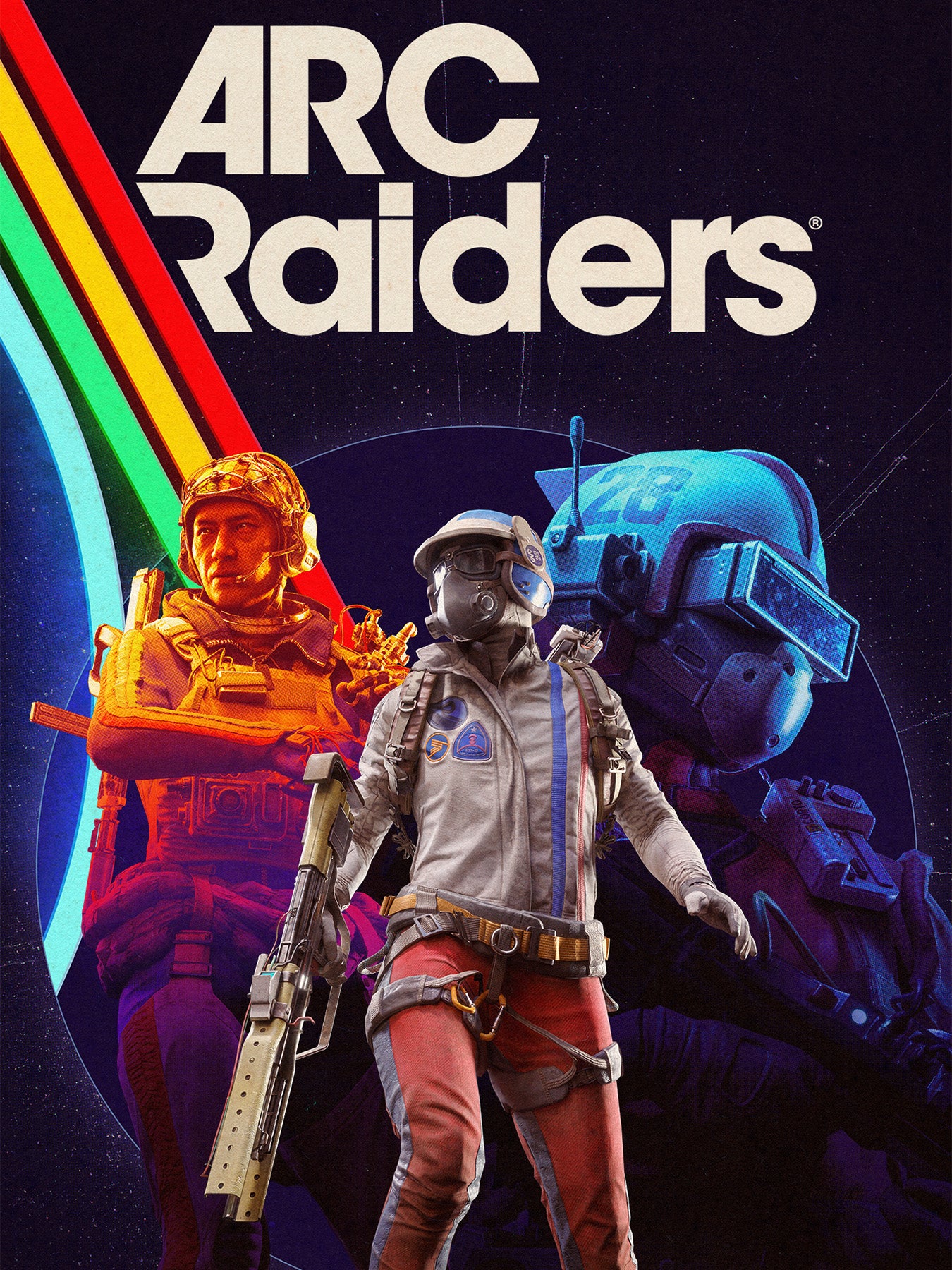
ARC Raiders
PS5 , Xbox Series X/S , PC
Rock Paper Shotgun is better when you sign in
Sign in and join us on our journey to discover strange and compelling PC games.
